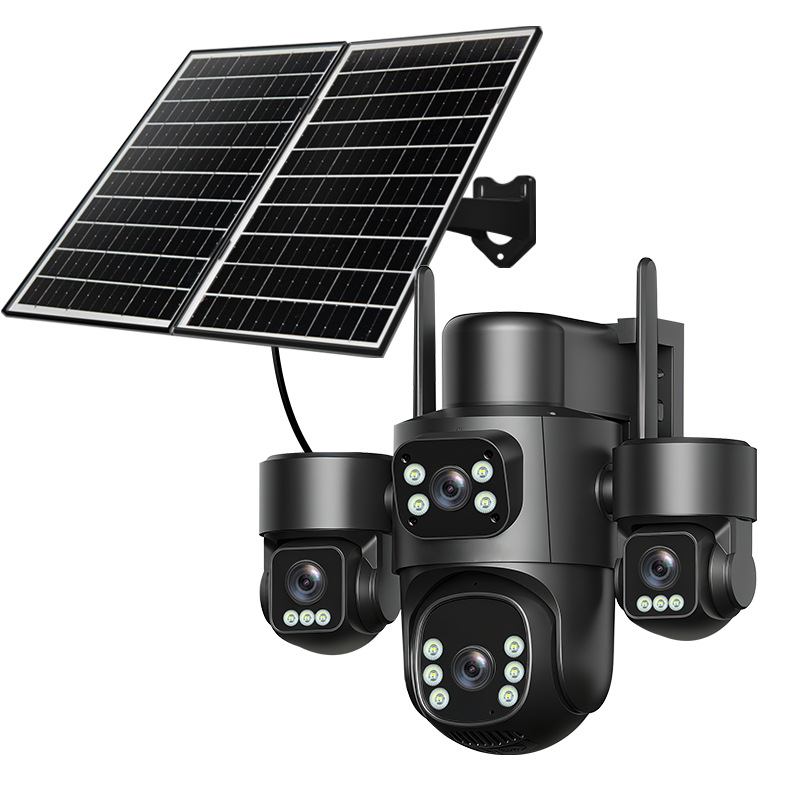
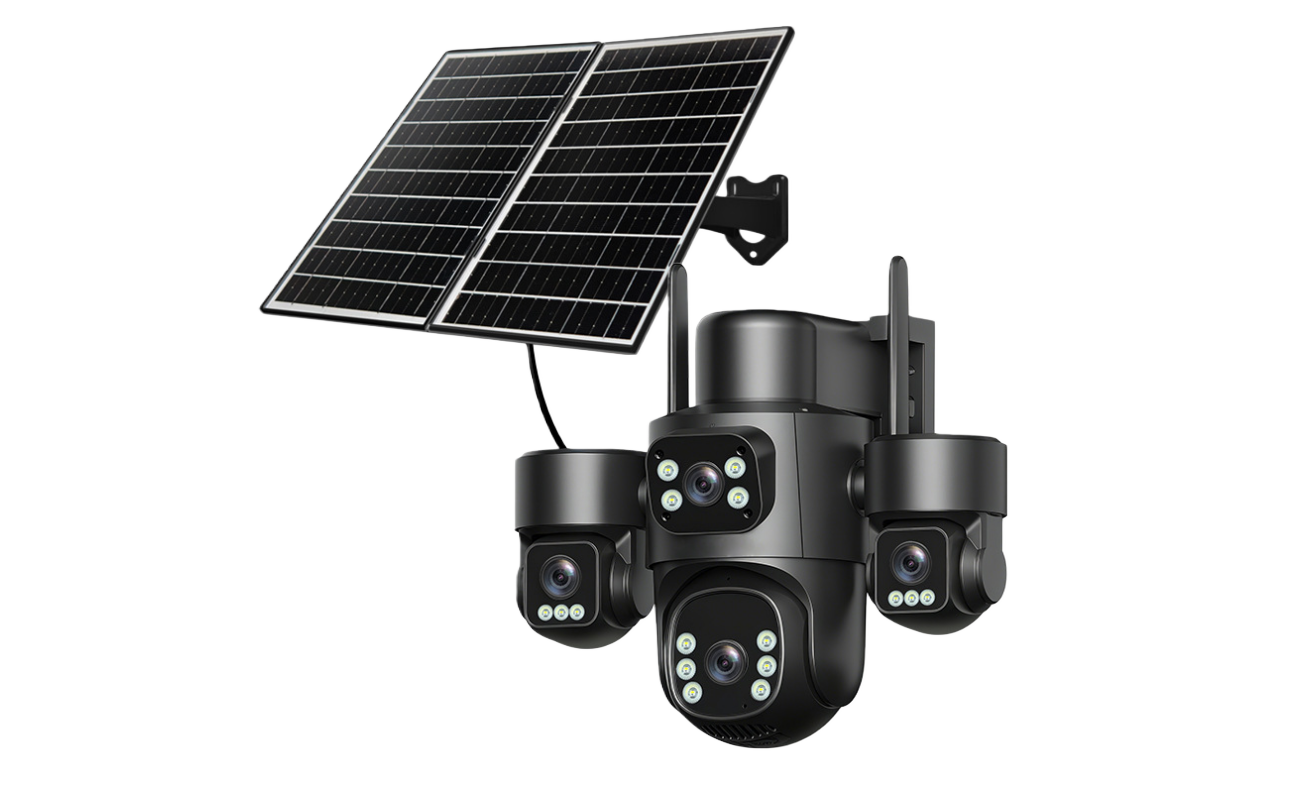
Off-Grid Solar-Powered Multi-Lens Surveillance Camera System
Engineering Conclusion
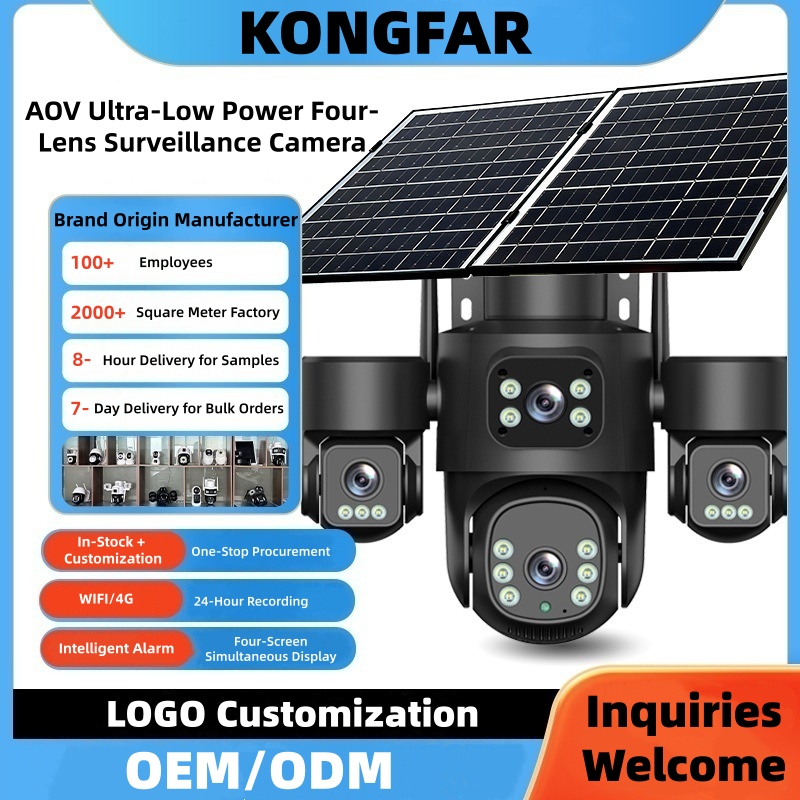
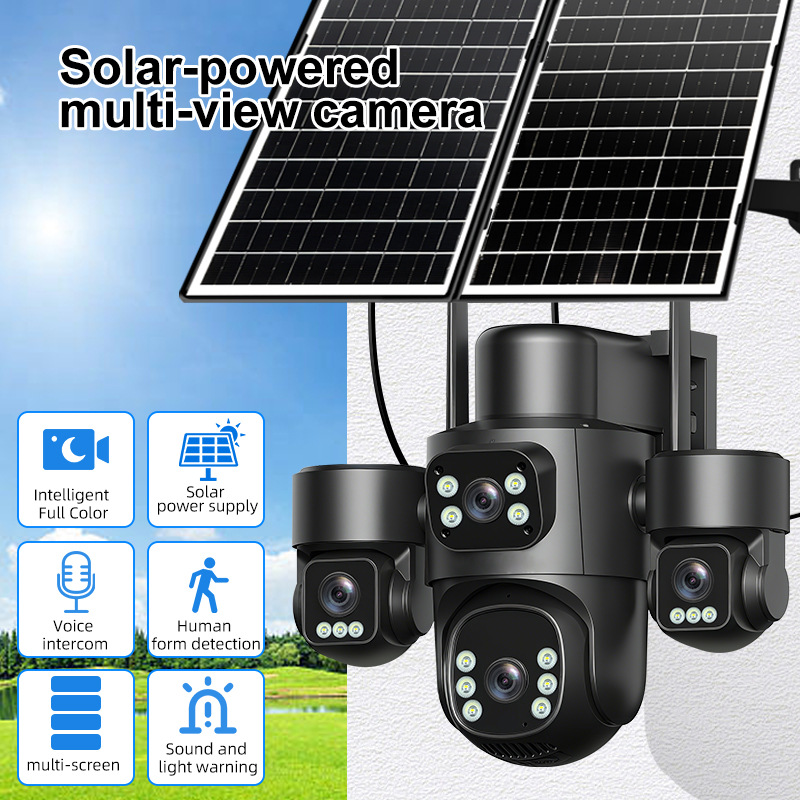
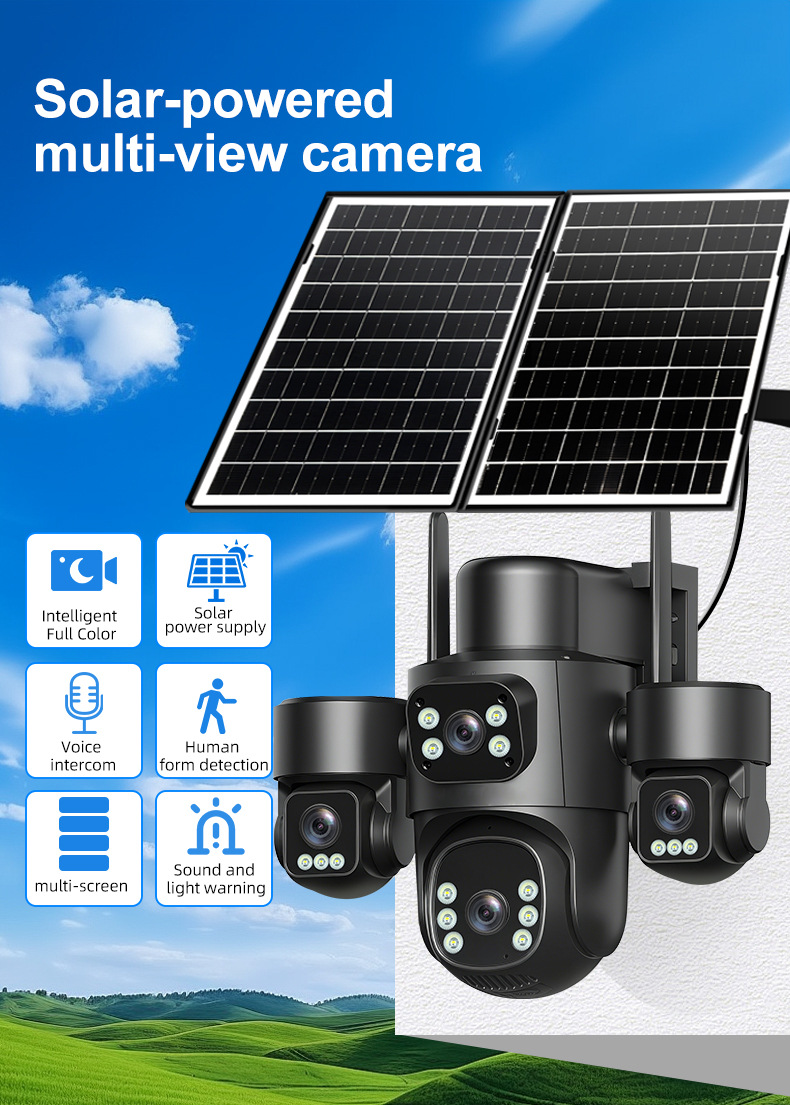
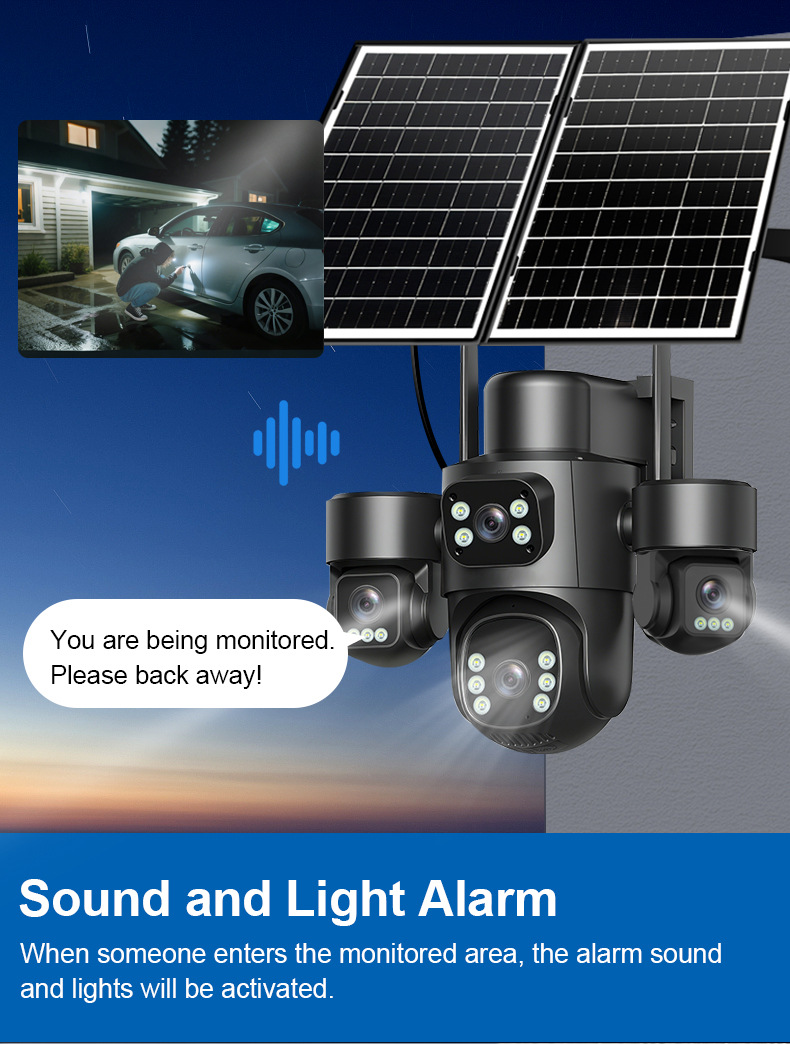
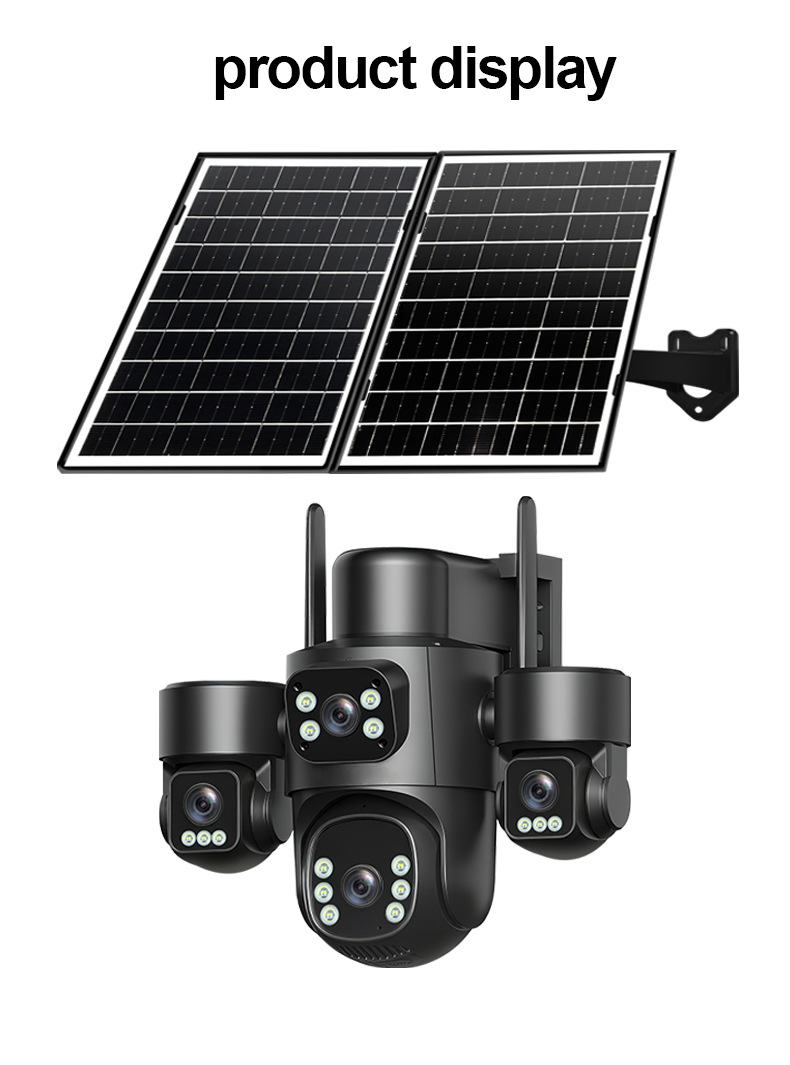
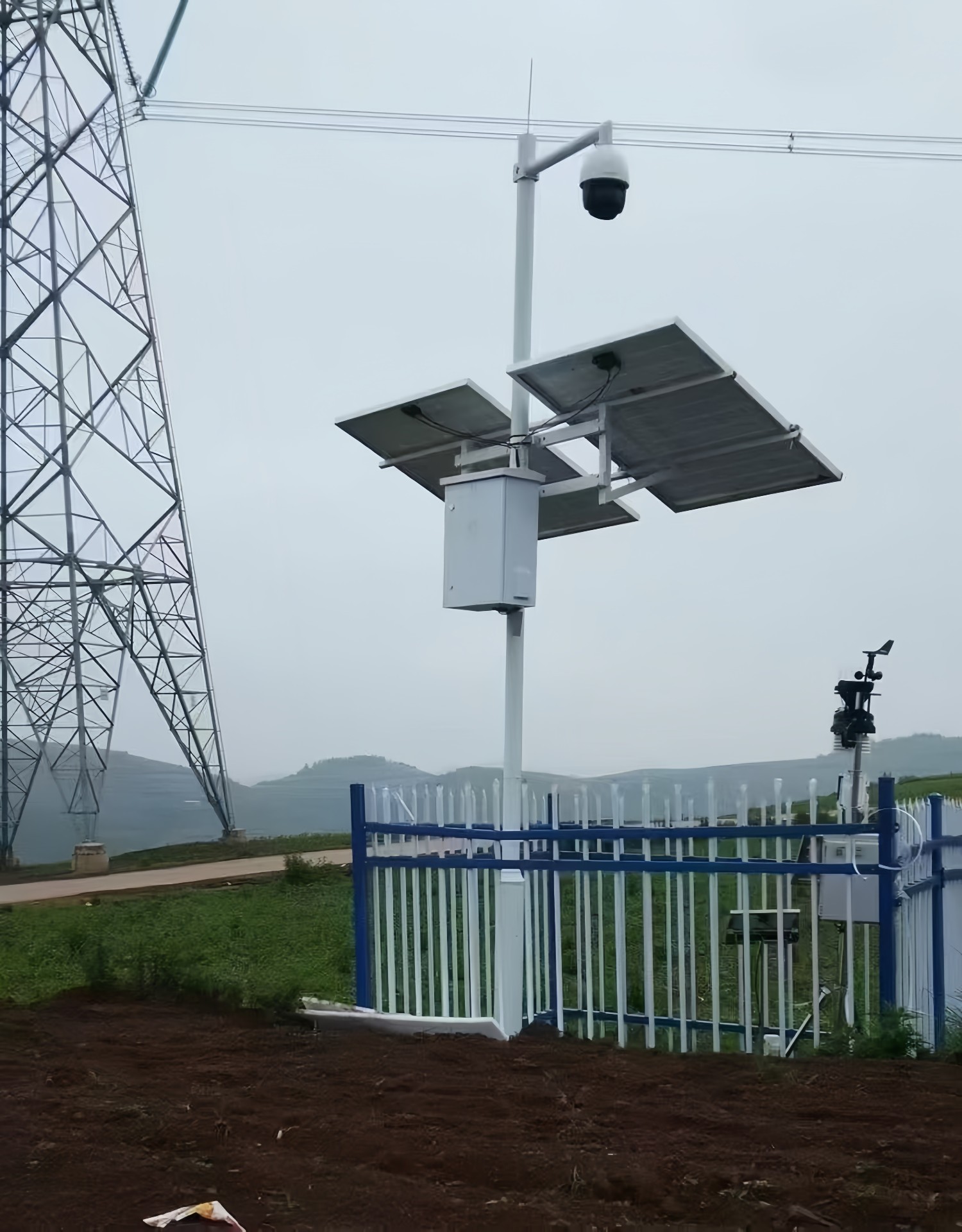
This off-grid solar-powered multi-lens surveillance camera system is engineered for environments where simultaneous multi-directional visual coverage is required under constrained energy conditions and unreliable grid availability.
System suitability is defined by coverage continuity, detection reliability, and energy autonomy, rather than by camera count or nominal resolution specifications.
Engineering Problem This System Addresses
In many off-grid surveillance deployments, monitoring risk is not caused by image quality, but by missed events resulting from blind zones, delayed repositioning, or unpredictable incident timing.
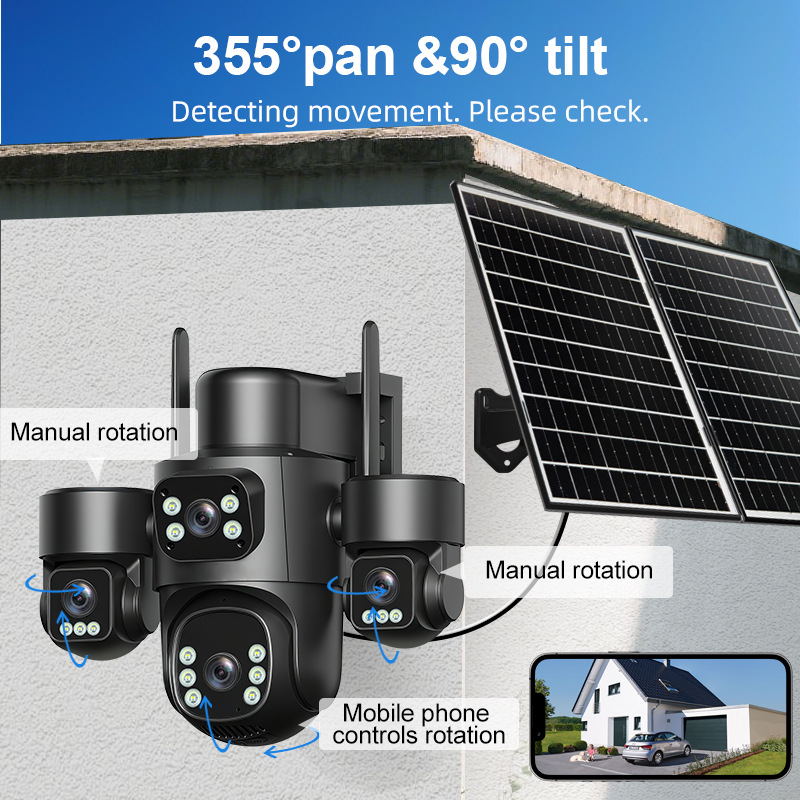
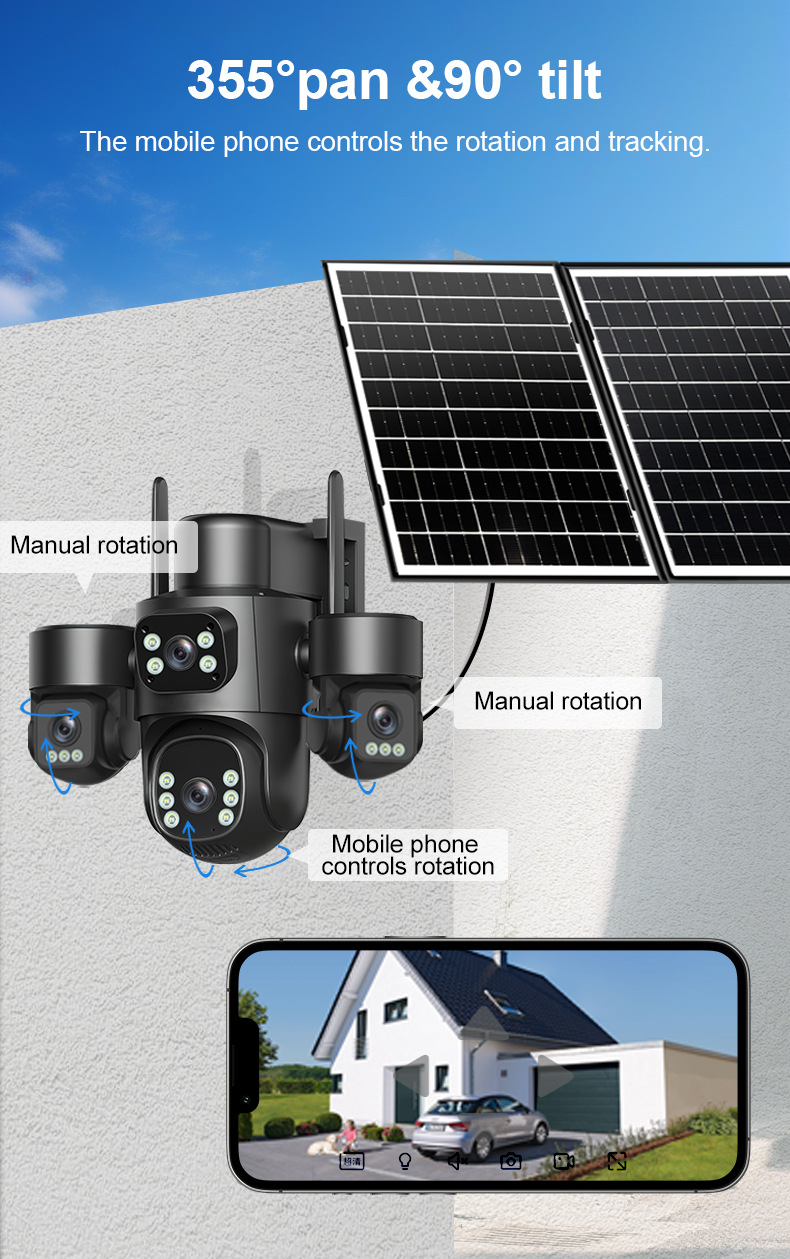
Single-lens and mechanically driven systems may fail to capture transient or concurrent events when coverage depends on movement rather than presence.
This system addresses these challenges by adopting a fixed multi-lens optical architecture, supported by autonomous solar power, to ensure persistent situational awareness without reliance on mechanical repositioning.
System Architecture Overview
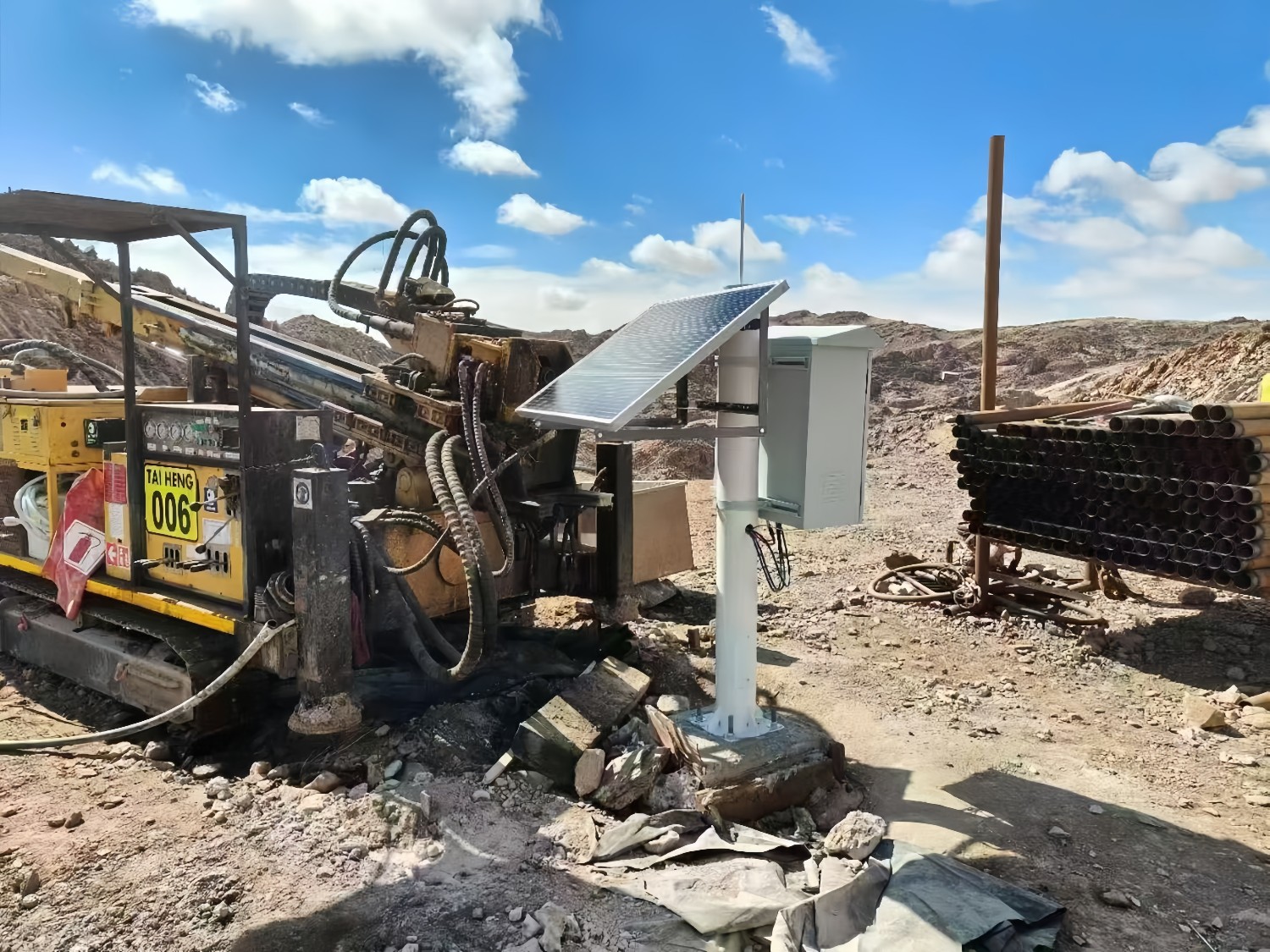
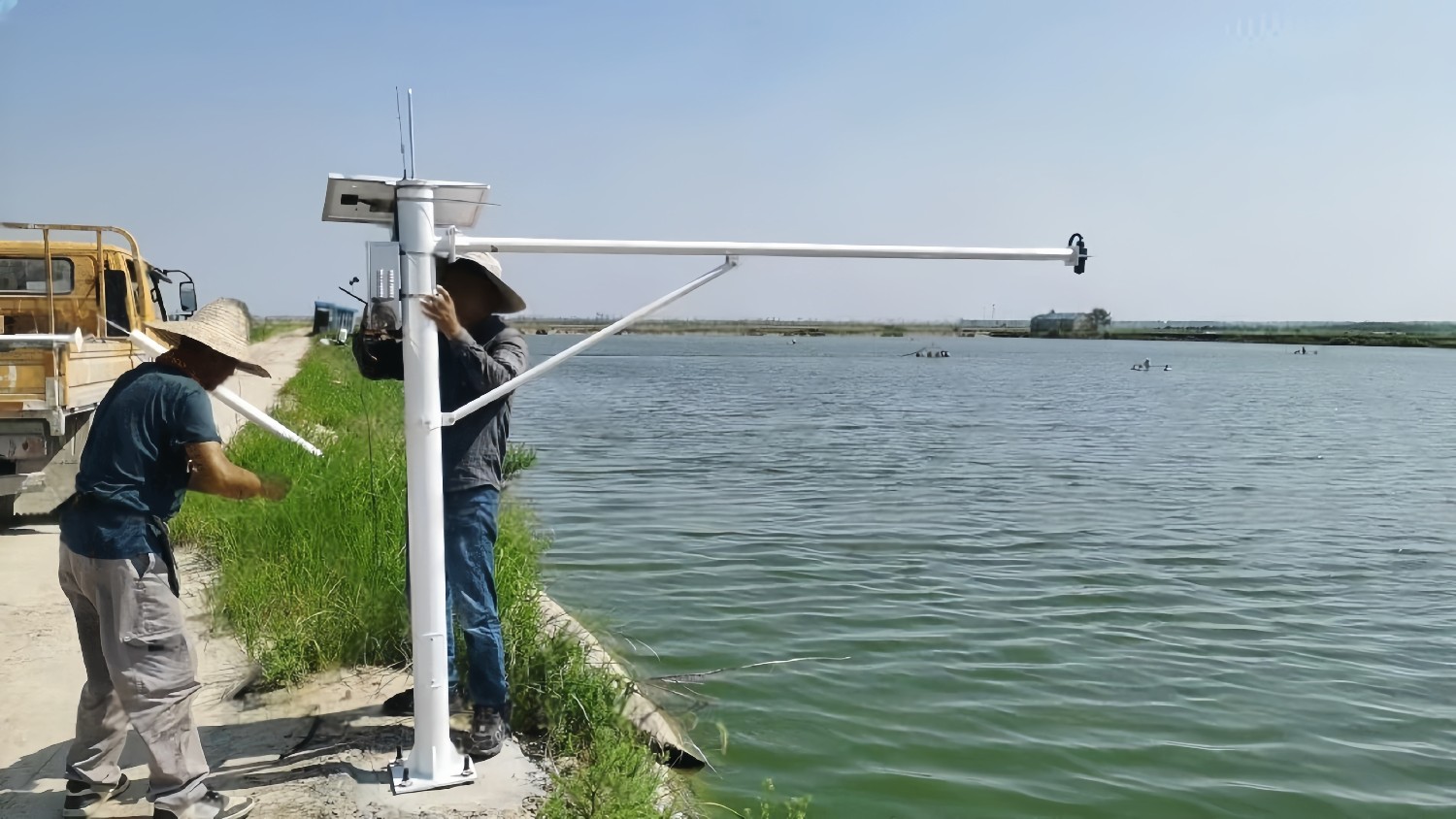
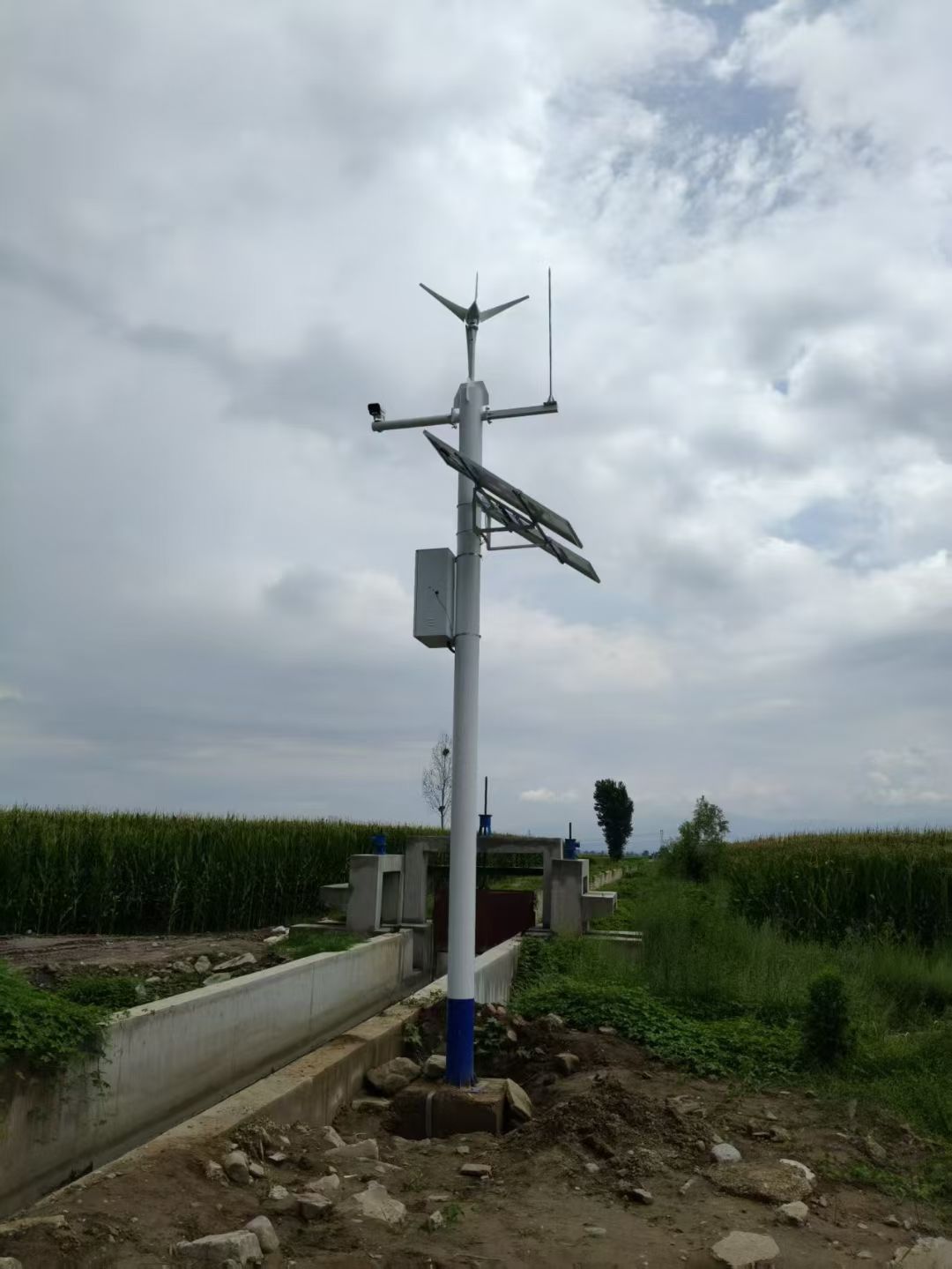
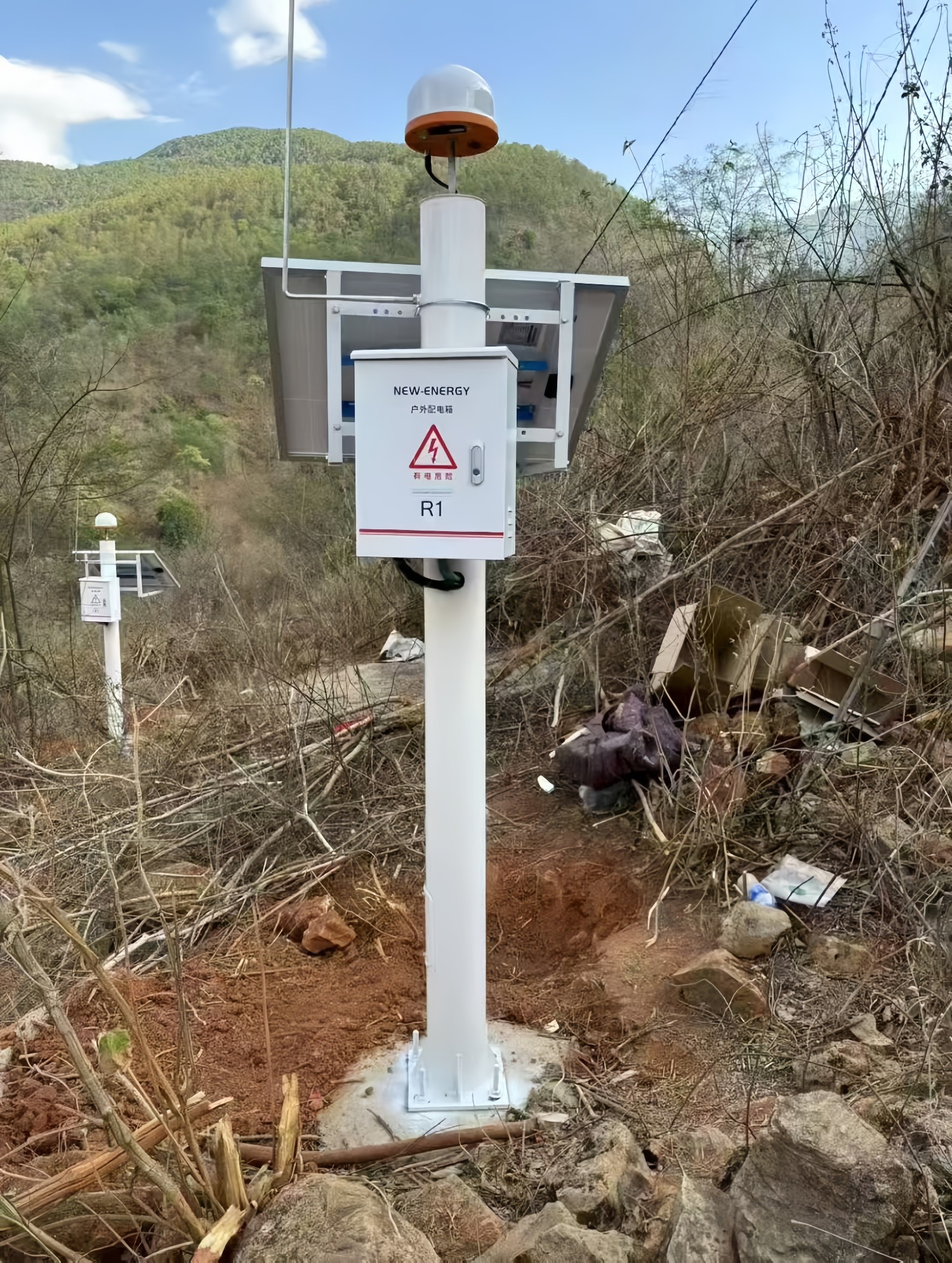
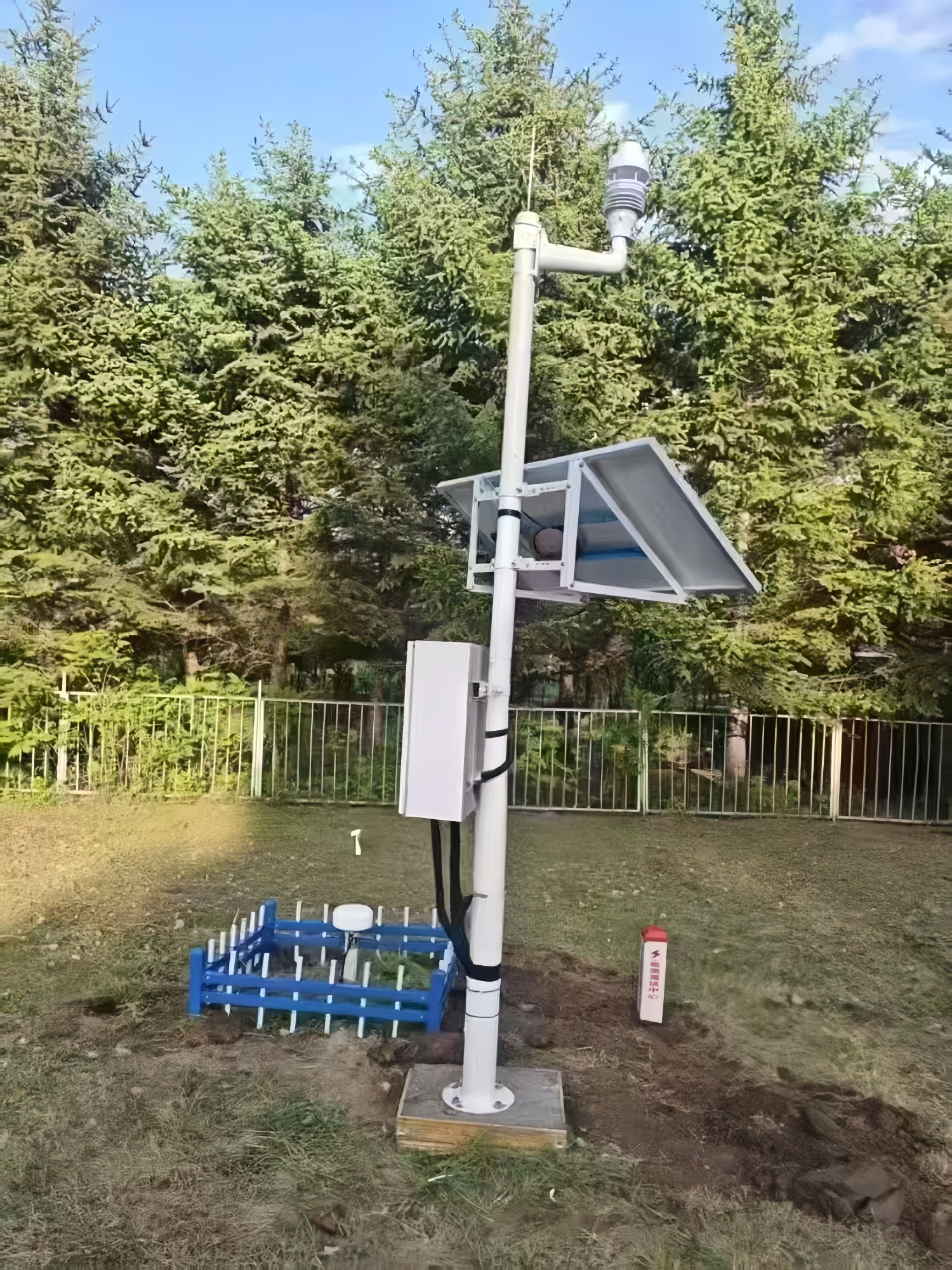
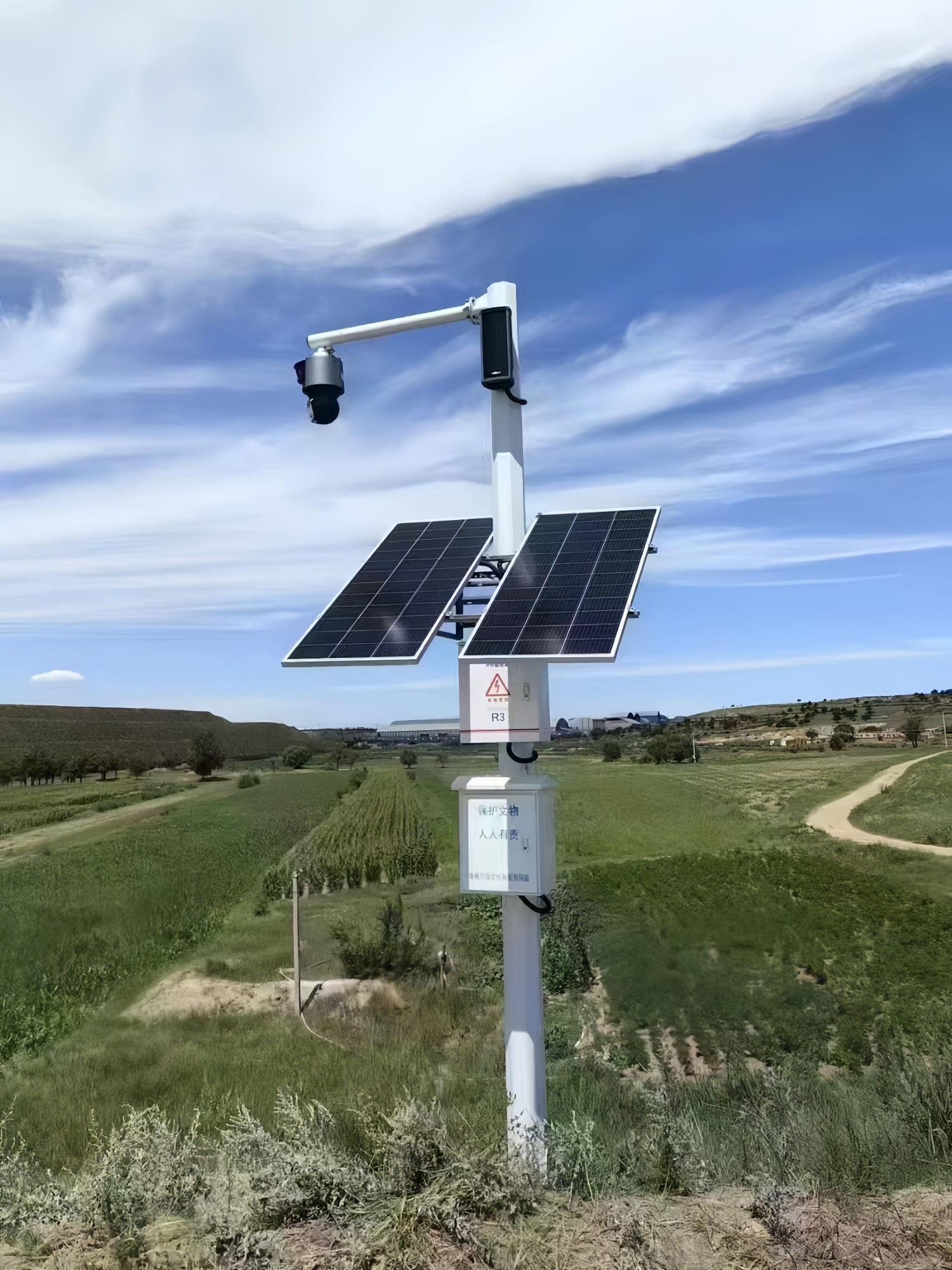
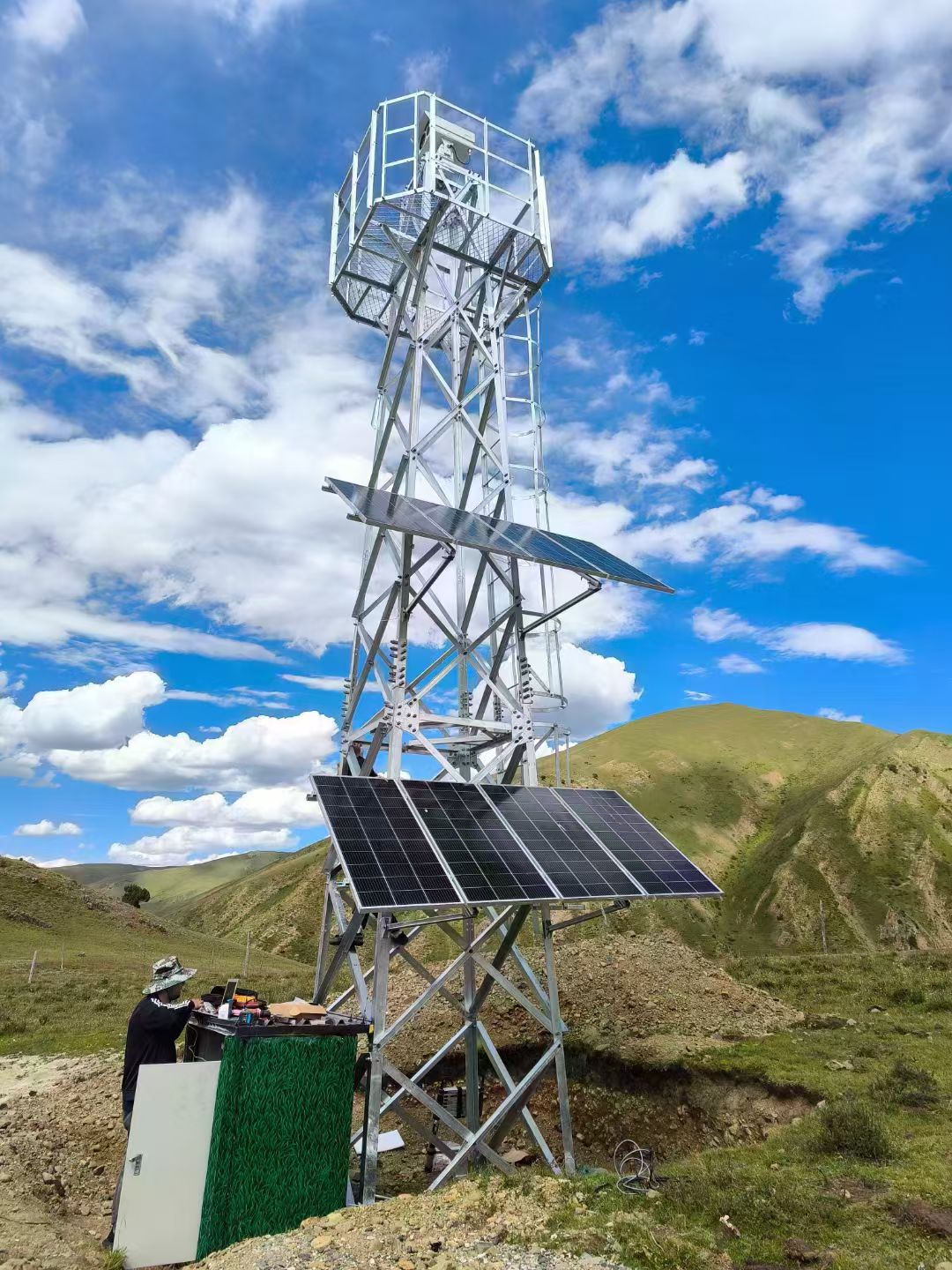
The system integrates photovoltaic generation, onboard energy storage, and multiple fixed optical channels into a unified off-grid surveillance platform.
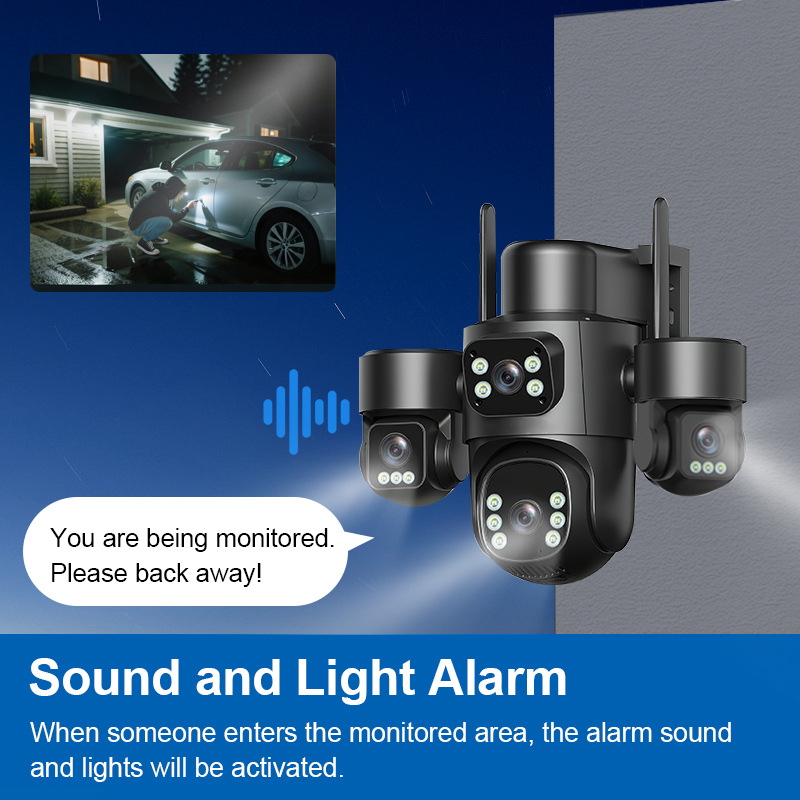
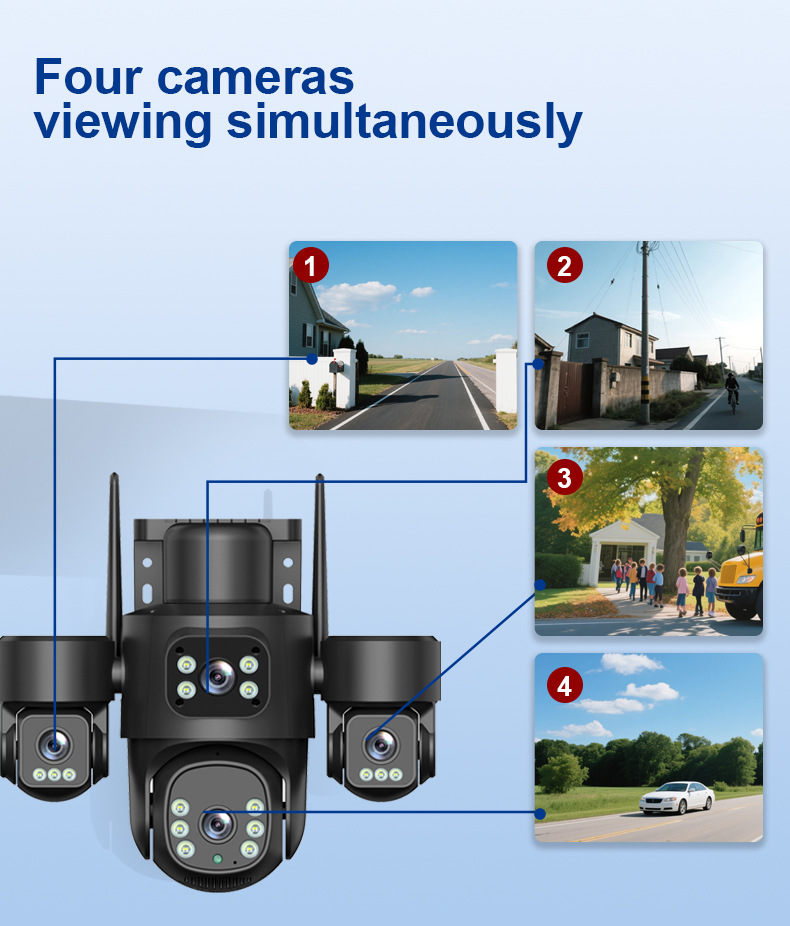
Each lens provides continuous directional coverage, while system-level control logic manages power allocation and operational priority based on real-world energy availability.
By distributing visual responsibility across lenses instead of mechanical motion, the architecture reduces wear, minimizes response latency, and improves long-term reliability in unattended environments.
Why Multi-Lens Architecture Matters in Off-Grid Surveillance
Multi-lens architecture enables constant, simultaneous observation of multiple directions, eliminating coverage gaps inherent to single-axis viewing systems.
This is particularly critical in environments where incidents are unpredictable, brief, or occur outside a dominant viewing direction.
Unlike PTZ-centric designs, multi-lens systems preserve detection capability even during response escalation or energy prioritization phases.
Engineering Boundary Conditions & Design Assumptions
This system is designed and validated under the following engineering boundary conditions, which define where performance assumptions apply:
✅ Grid Availability Constraint
Intended for locations without stable grid access or where cabling and trenching introduce unacceptable cost or reliability risk.
✅ Solar Resource Assumption
Energy autonomy calculations are based on realistic daily solar irradiation patterns rather than peak laboratory values.
✅ Energy Variability Window
System operation accounts for extended low-generation periods, during which prioritized optical coverage is maintained.
✅ Environmental Exposure Limits
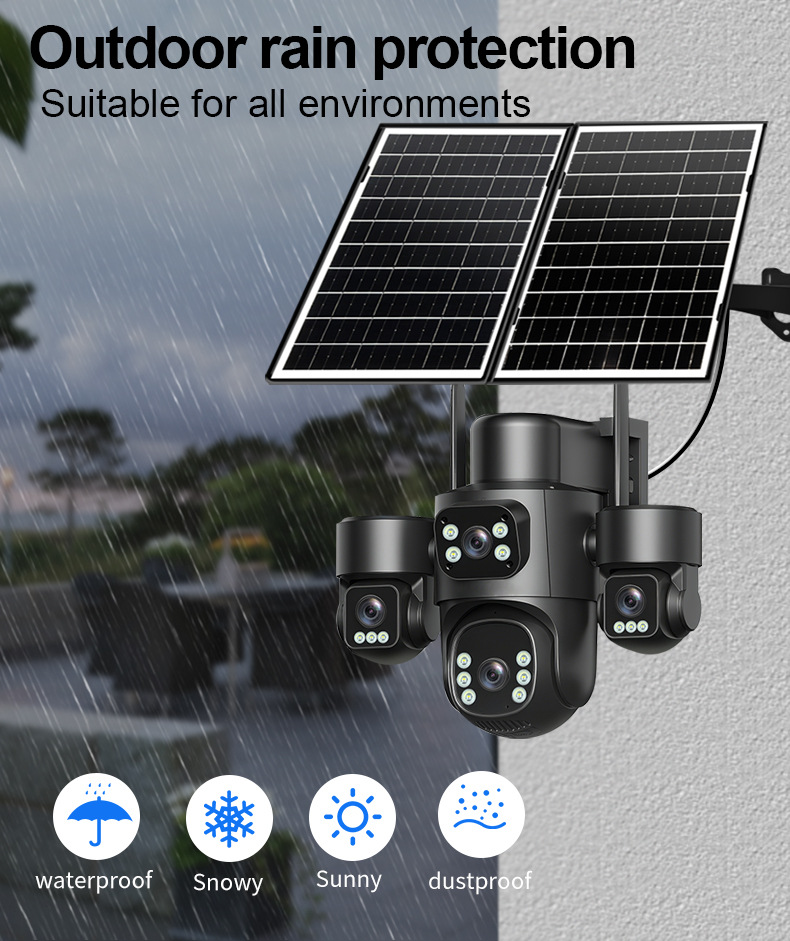
Designed for outdoor deployment under wind, dust, rainfall, and temperature conditions typical of rural infrastructure and remote assets.
✅ Maintenance Access Constraint
Optimized for long inspection intervals where reactive maintenance access is limited.
Decision-Relevant Parameters
The following parameters are presented as engineering decision variables, not isolated specifications:
Optical Channel Density
Lens configuration is selected to balance coverage continuity with energy consumption, ensuring persistent observation without excessive load.
Energy Storage Capacity
Battery sizing supports simultaneous multi-lens operation during extended low-irradiance periods.
Power-Aware Control Logic
System logic dynamically prioritizes essential optical channels to preserve baseline monitoring under constrained energy conditions.
Integrated Architecture
Consolidation of sensing and power functions reduces external wiring and long-term failure points.
Engineering Decision Rationale
From an engineering perspective, this architecture is selected to minimize missed-detection risk rather than to maximize mechanical flexibility:
✅ Fixed multi-lens coverage eliminates blind zones
✅ Reduced mechanical dependency improves reliability
✅ Energy autonomy governs system effectiveness more than peak output
✅ Power-aware prioritization enables predictable long-term operation
Engineering Decision Q&A
Under what conditions is an off-grid multi-lens surveillance system the correct engineering choice?
An off-grid multi-lens surveillance system is the correct choice when continuous, simultaneous visual coverage of multiple directions is required and when repositioning latency or single-axis blind zones introduce unacceptable monitoring risk.
This architecture is most appropriate for unattended or semi-attended sites where events are unpredictable and may occur outside a dominant viewing direction.
How does a multi-lens architecture change detection reliability compared to single-lens systems?
By distributing visual responsibility across fixed optical channels, a multi-lens architecture eliminates dependence on camera movement for coverage.
This improves detection reliability for transient or concurrent events and reduces the probability of missed incidents caused by mechanical repositioning delays.
Why is a multi-lens system often preferred over PTZ movement in off-grid deployments?
In off-grid environments, energy availability and mechanical reliability are constrained.
A multi-lens system avoids continuous motor actuation, reducing mechanical wear and power consumption while maintaining constant directional awareness.
How does energy autonomy influence multi-lens system behavior?
Energy autonomy determines how many optical channels can remain active simultaneously during extended low-generation periods.
Engineering design therefore prioritizes selective lens activation and duty-cycle management rather than continuous full-channel operation.
Under what conditions does simultaneous multi-lens operation become constrained?
Simultaneous operation becomes constrained only when cumulative low-irradiance duration exceeds the designed energy autonomy window and energy recovery remains insufficient.
In such cases, systems transition to prioritized coverage modes to preserve baseline monitoring continuity.
What determines long-term operational stability in multi-lens off-grid surveillance systems?
Long-term stability is determined by the balance between optical channel density, energy storage capacity, and environmental variability rather than by lens count alone.
Systems designed with power-aware prioritization maintain predictable performance with reduced maintenance dependency.
Is a multi-lens off-grid surveillance system suitable for permanent unattended deployment?
Yes, provided deployment conditions align with defined assumptions regarding solar availability, environmental exposure, and acceptable inspection intervals.
Under these conditions, multi-lens systems offer stable long-term operation without reliance on continuous human intervention.
When does a multi-lens architecture provide limited engineering advantage?
A multi-lens architecture provides limited advantage when monitoring requirements are dominated by a single viewing direction and where event timing is predictable.
In such cases, simpler optical configurations may achieve equivalent outcomes with lower energy demand.
Engineering Takeaway
This off-grid solar-powered multi-lens surveillance camera system should be evaluated as a coverage-continuity architecture, not as a camera quantity upgrade.
Its value lies in how effectively it mitigates blind zones, reduces detection latency, and maintains stable operation under real-world energy constraints.




 English
  Deutsch
