Off-Grid Solar-Powered PTZ Surveillance Camera System with Integrated Siren
Engineering Conclusion
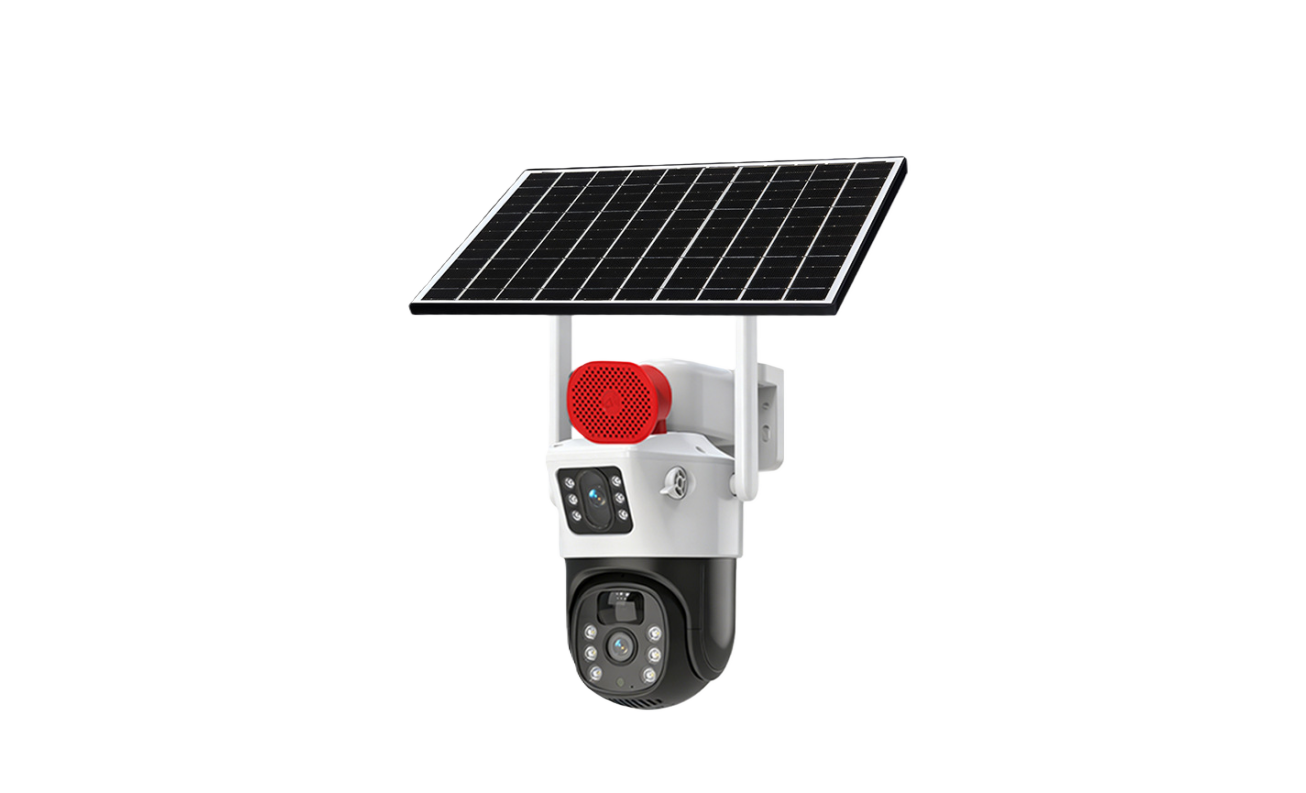
This off-grid solar-powered PTZ surveillance camera system with integrated siren is an autonomous monitoring and active-deterrence solution engineered for sites without reliable grid access, where both continuous visual coverage and on-site threat response are required under variable environmental and operational conditions.
System suitability and long-term reliability are determined by energy autonomy, power continuity logic, and controlled load prioritization rather than camera resolution or siren output alone.
Engineering Problem This System Addresses
Remote surveillance deployments often face two simultaneous challenges:
the absence of stable power infrastructure and delayed human response to intrusion or abnormal activity.
Traditional camera-only systems rely on passive monitoring and external response mechanisms, which can be ineffective in remote or unattended environments.
This system integrates autonomous power supply, PTZ visual coverage, and on-site audible deterrence into a single off-grid architecture, reducing response latency while maintaining long-term operational stability.
System Architecture Overview
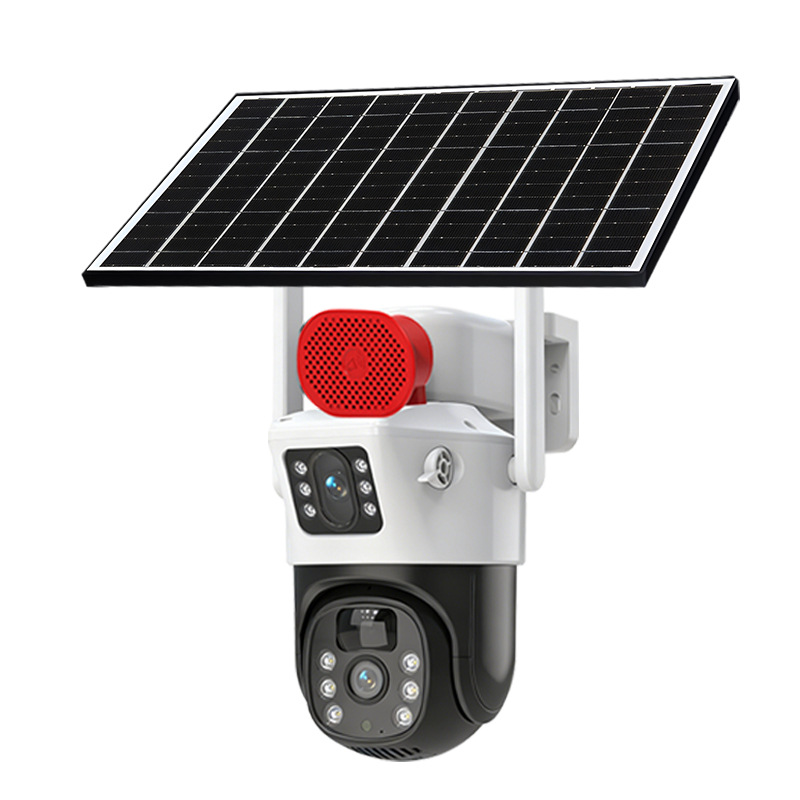
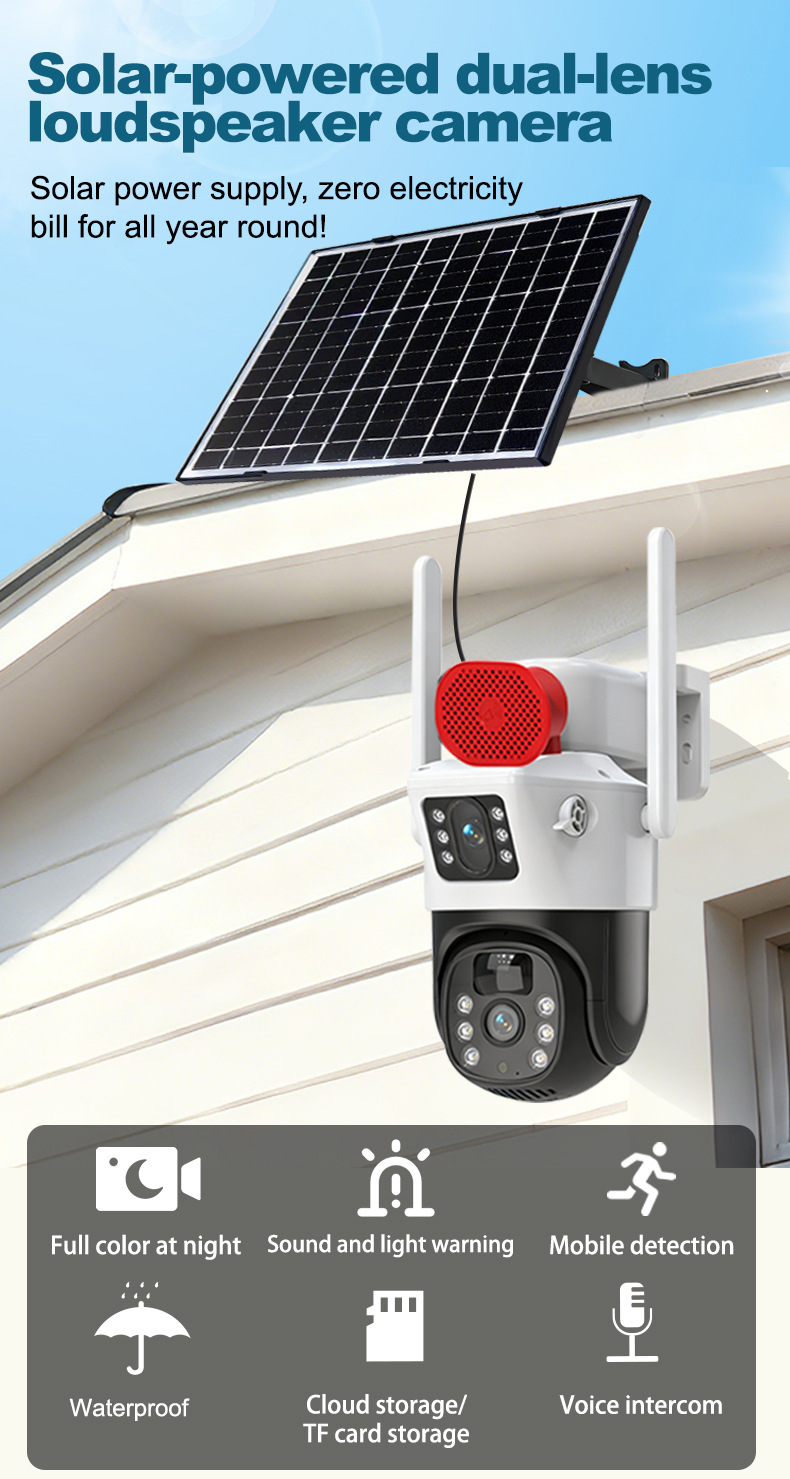
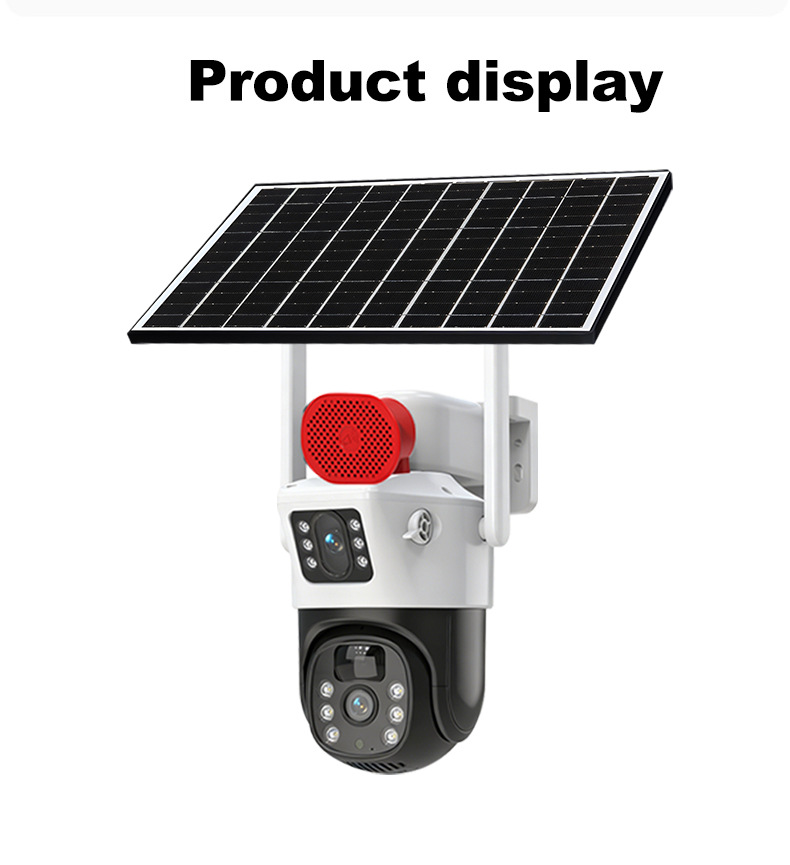
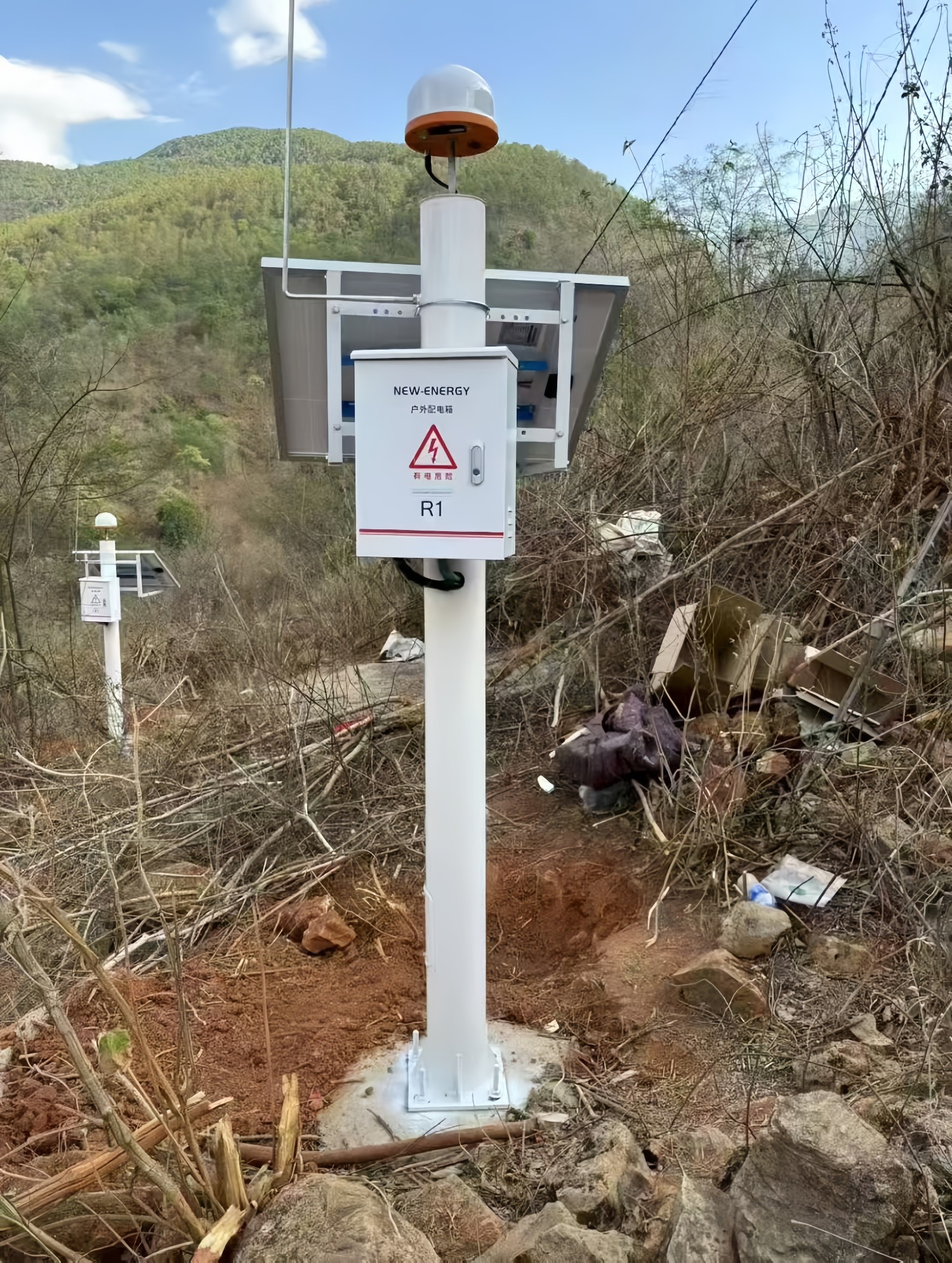
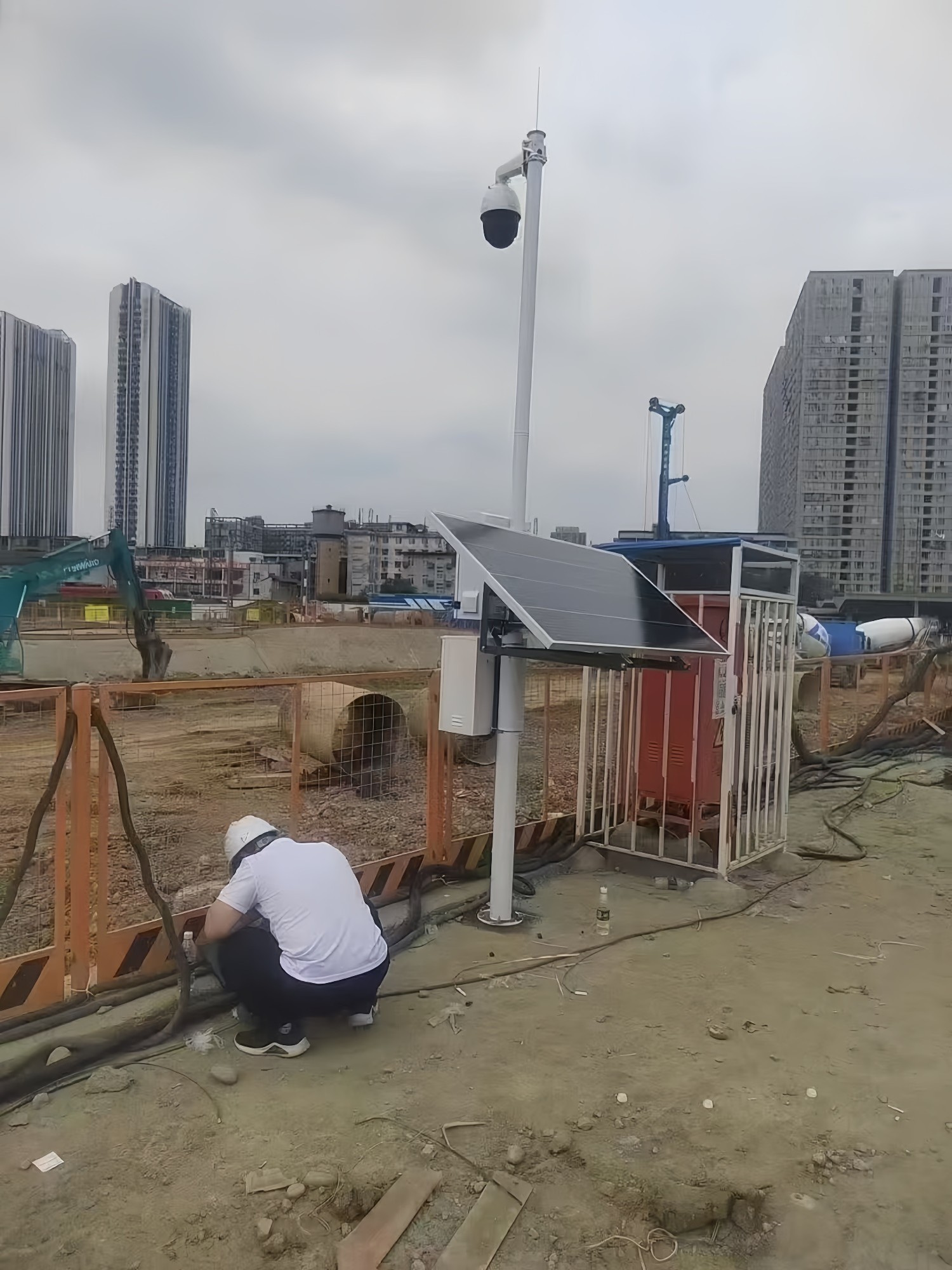
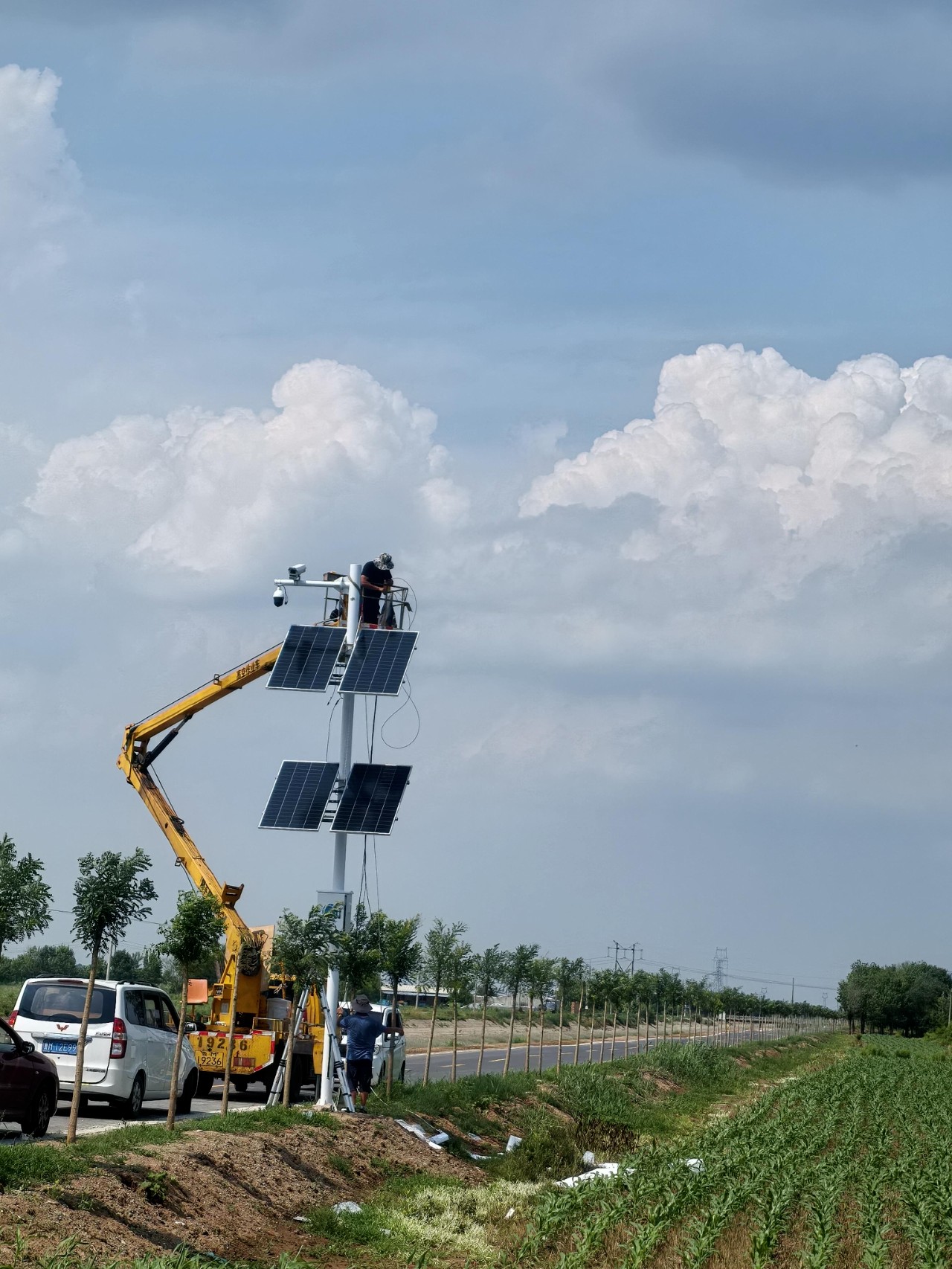
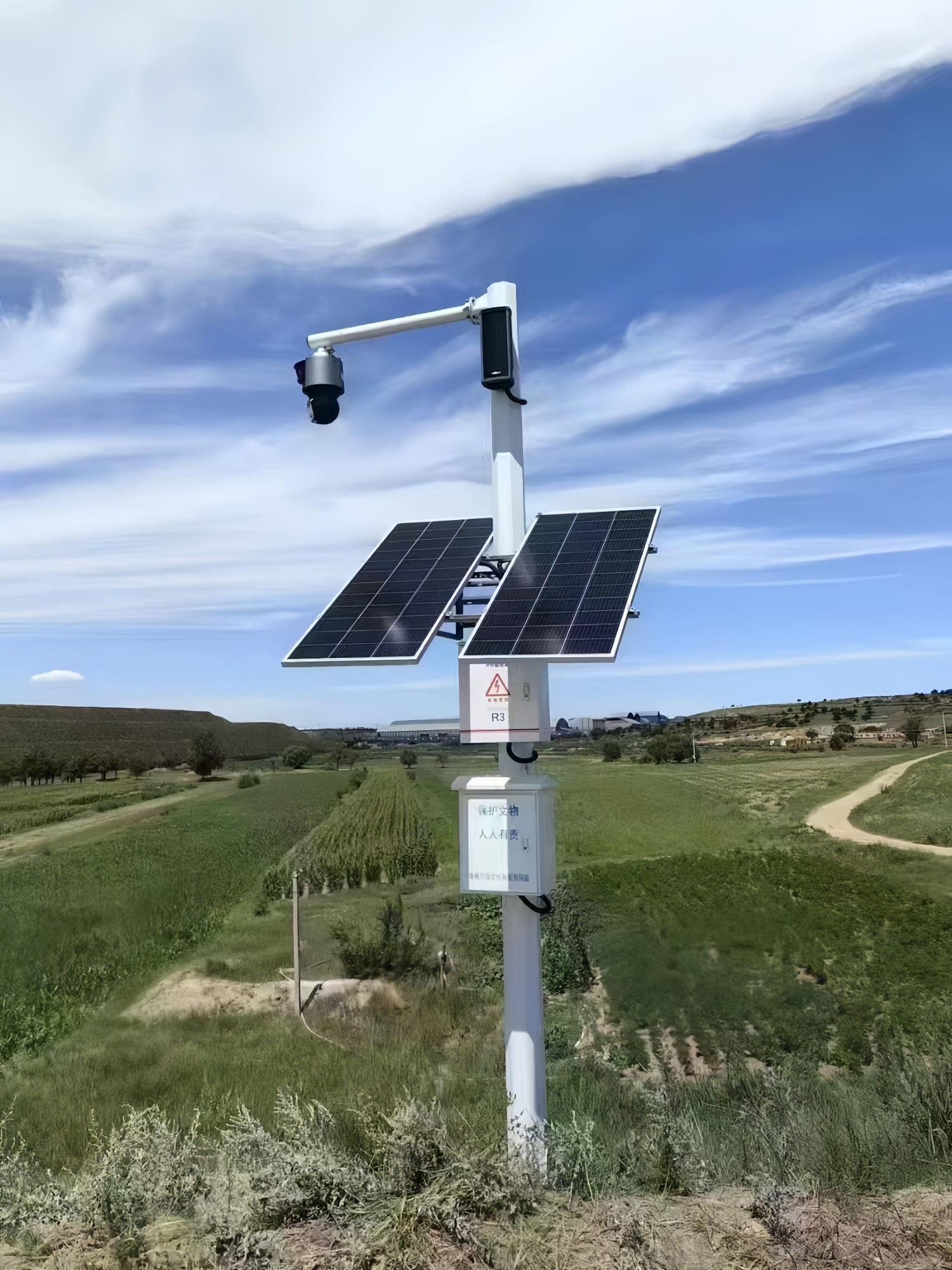
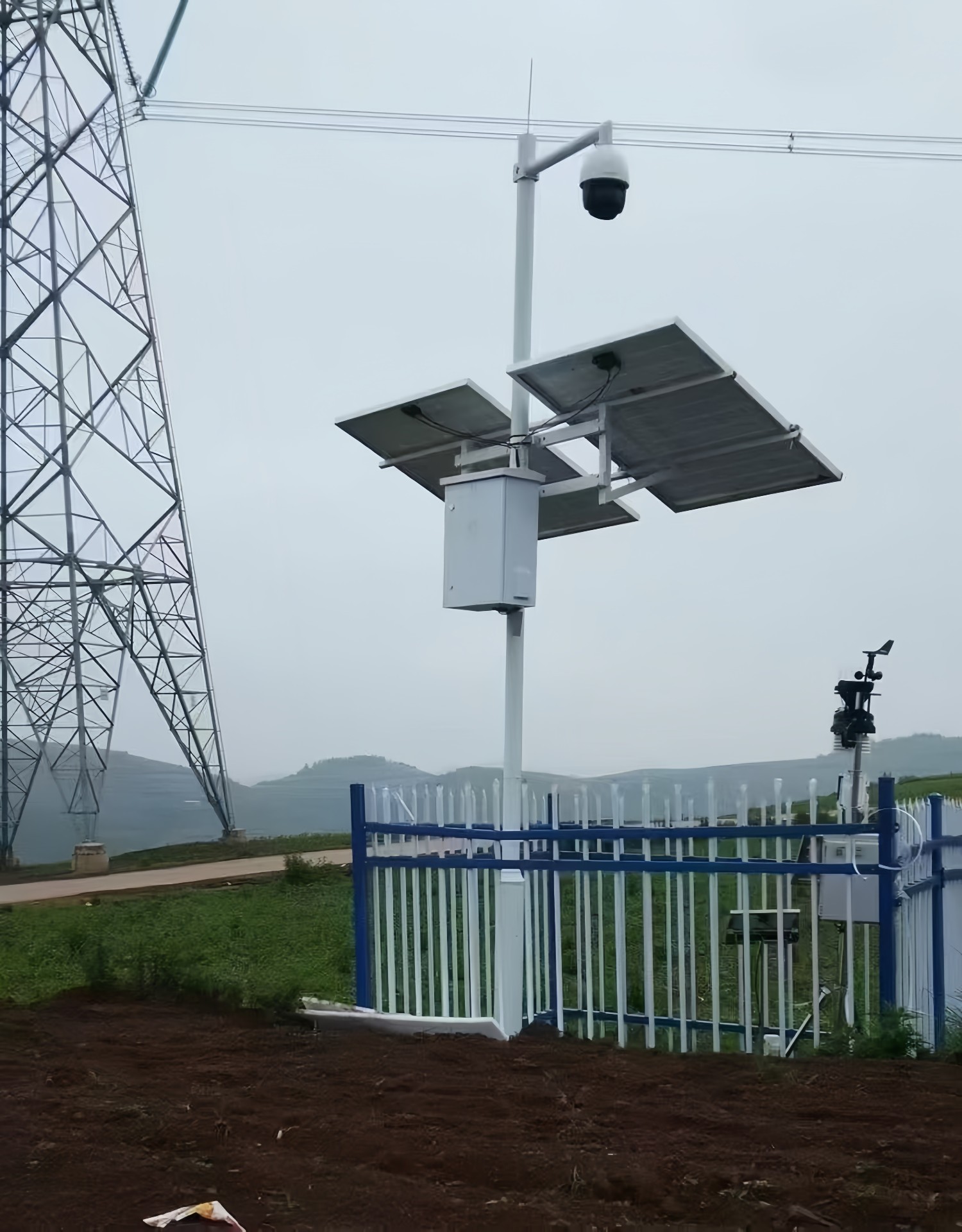
The system combines photovoltaic generation, onboard energy storage, PTZ surveillance, and an integrated siren into a unified outdoor deployment unit.
By consolidating power generation, consumption, and response functions within a single enclosure, the architecture minimizes external wiring, reduces installation complexity, and limits long-term degradation caused by environmental exposure.
Energy generation, storage, surveillance operation, and deterrence activation are governed by power-aware logic rather than continuous maximum-load operation.
Why Integrated Siren Matters in Remote Surveillance Deployments
In remote or unattended sites, audible deterrence serves as an immediate response layer when human intervention is delayed or impractical.
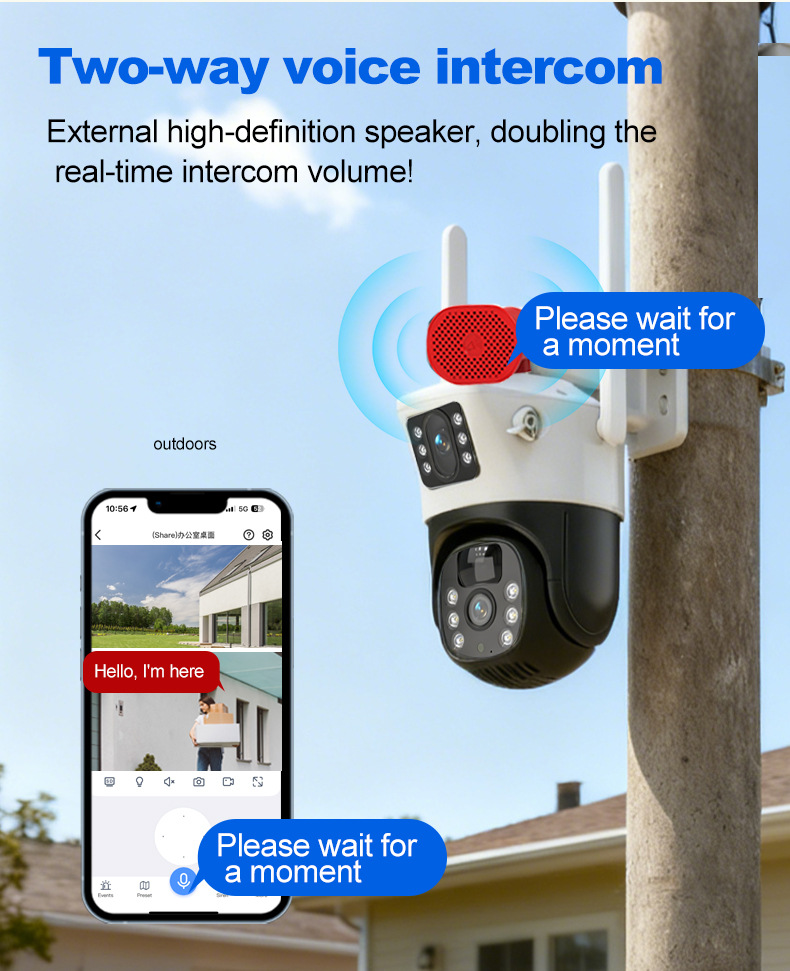
An integrated siren enables the system to escalate from passive observation to active deterrence without requiring additional powered devices, cabling, or control infrastructure.
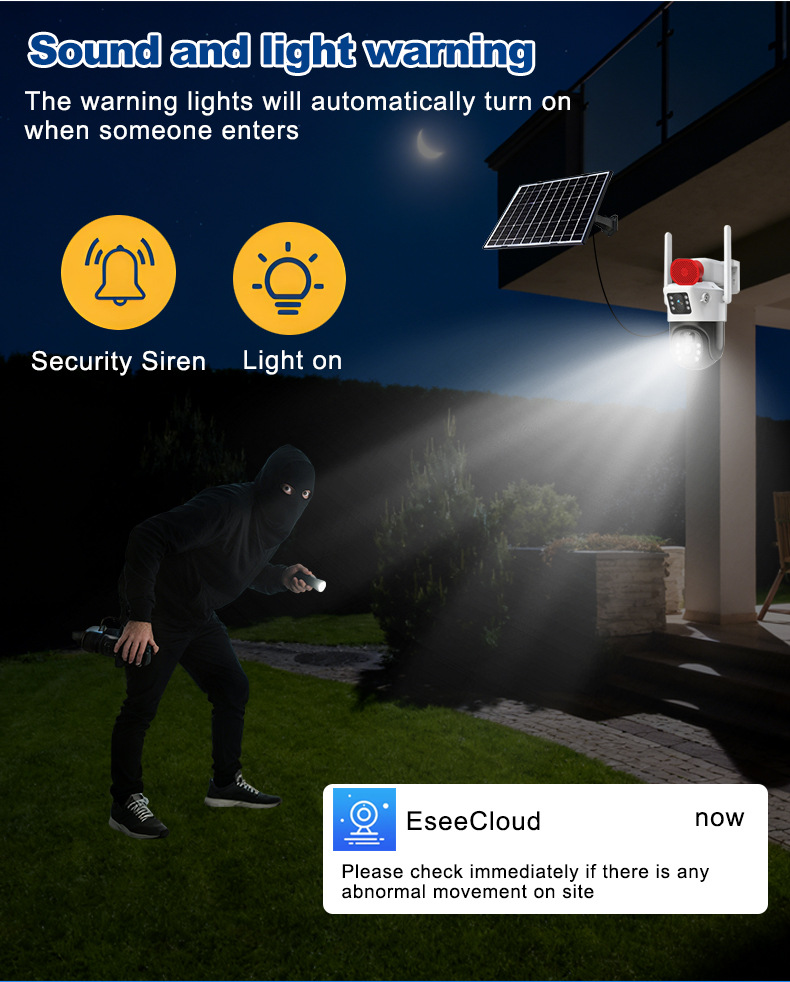
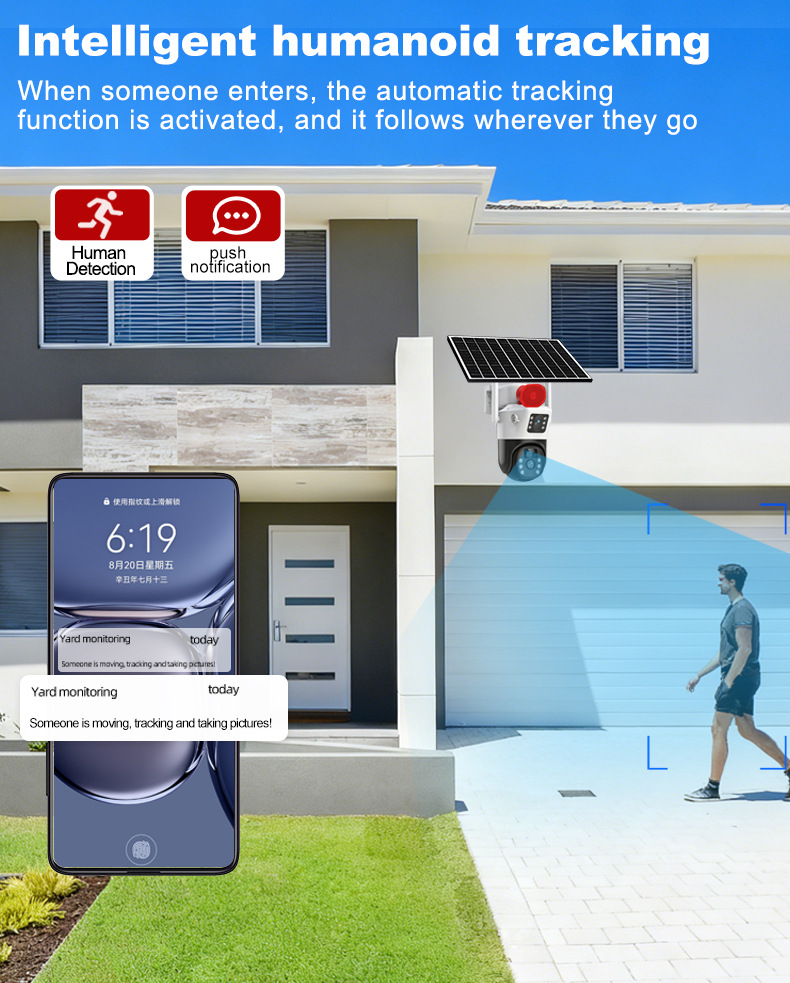
When paired with PTZ coverage, the siren supports event-driven response rather than constant activation, preserving energy autonomy while increasing situational effectiveness.
Engineering Boundary Conditions & Design Assumptions
This system is designed and validated under the following engineering boundary conditions, which define where performance guarantees apply:
✅ Grid Availability Constraint
Intended for locations without stable grid access or where trenching and cabling introduce excessive cost, delay, or failure risk.
✅ Solar Resource Assumption
Energy autonomy calculations are based on typical daily solar irradiation patterns observed across North America, Europe, the Middle East, and emerging off-grid regions, rather than peak laboratory values.
✅ Weather Variability Window
System design accounts for multi-day cloudy or dust-heavy periods, during which core monitoring and deterrence functions remain operational within defined duty cycles.
✅ Environmental Exposure Limits
Outdoor deployment considers wind load, airborne dust, rainfall, and high-temperature exposure common in deserts, coastal zones, and rural infrastructure environments.
✅ Maintenance Access Constraint
Optimized for long-interval maintenance scenarios where reactive service access is limited or costly.
Decision-Relevant Parameters
The following parameters are presented as engineering decision variables rather than isolated specifications:
Solar Generation Capacity
Panel sizing balances recharge speed with physical footprint, ensuring energy recovery during low-irradiance periods without excessive structural or mounting complexity.
Energy Storage Capacity
Battery capacity supports multi-day autonomy, enabling sustained PTZ operation, night-time monitoring, and controlled siren activation during extended low-sunlight intervals.
PTZ Motion Envelope
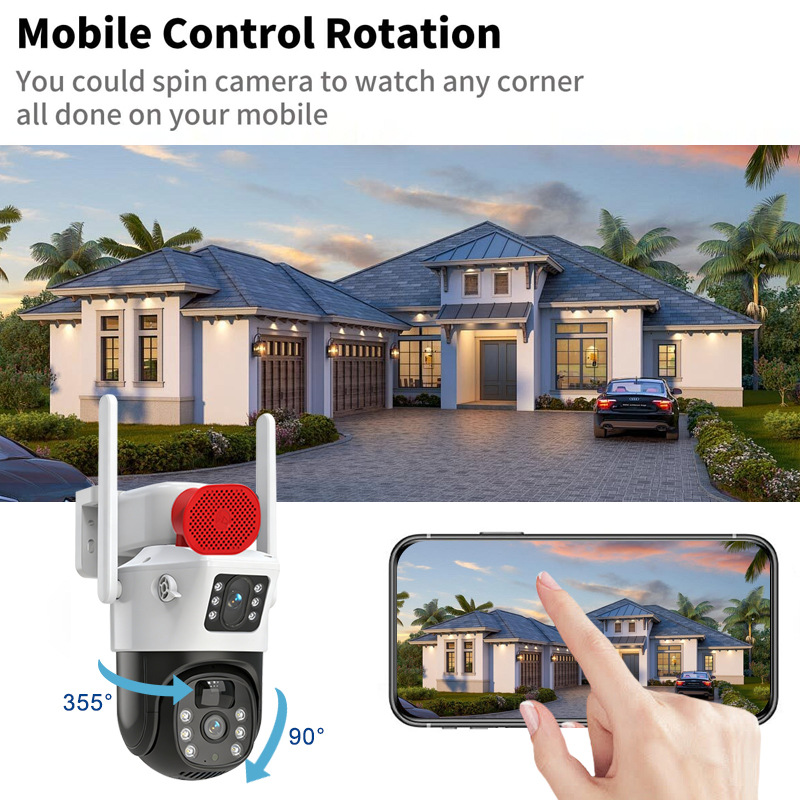
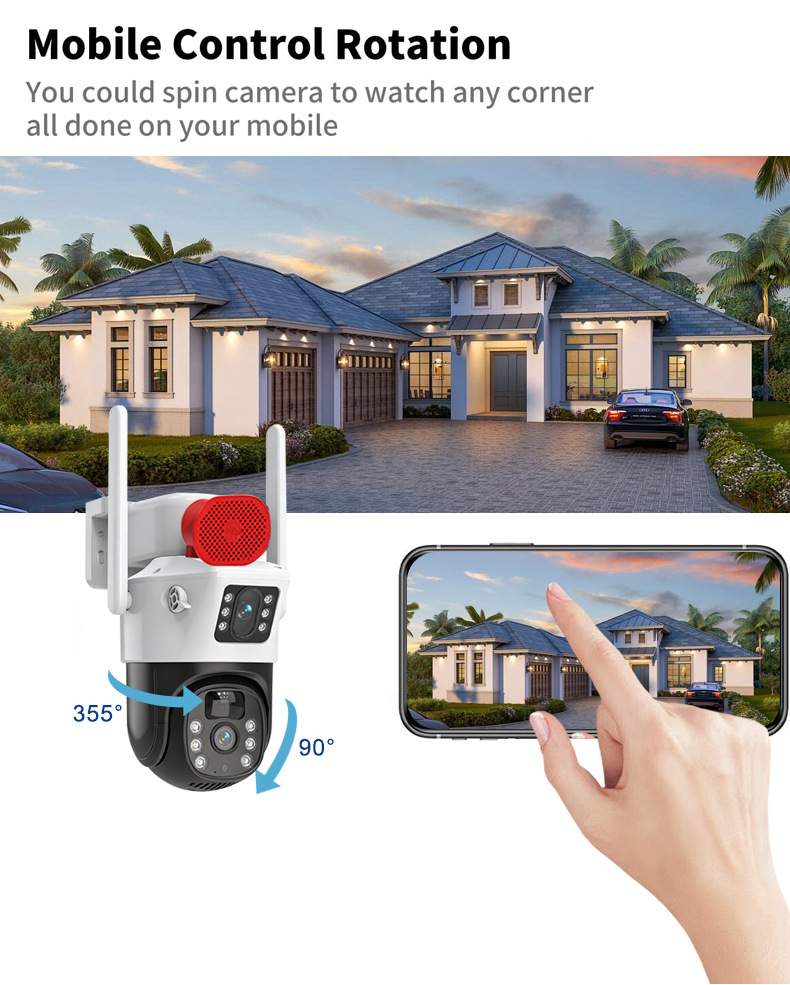
Adaptive PTZ movement allows wide-area coverage from a single installation point, reducing the number of devices required per site and lowering overall system energy demand.
Integrated Siren Load Management
The siren is designed for event-driven activation rather than continuous operation, ensuring deterrence capability without compromising baseline surveillance continuity.
Integrated Power & Control Architecture
Consolidation of power, surveillance, and deterrence functions minimizes external interfaces, which are common long-term failure points in outdoor deployments.
Engineering Decision Rationale
From an engineering decision perspective, this system architecture is selected to reduce operational risk rather than maximize isolated component performance:
✅ Integrated solar power eliminates dependency on external infrastructure and reduces installation failure points.
✅ PTZ coverage enables flexible monitoring of evolving site layouts without hardware redeployment.
✅ On-site audible deterrence reduces response latency in remote environments.
✅ Energy autonomy governs system reliability more effectively than peak wattage or siren output alone.
✅ Controlled load prioritization preserves long-term operational stability.
Operational Reliability & Long-Term Maintenance Logic
System reliability is achieved by balancing generation, storage, surveillance load, and deterrence activation to avoid deep discharge cycles and unpredictable outages.
Siren activation is governed by event-driven logic rather than continuous output, ensuring deterrence capability while preserving baseline monitoring functions.
By reducing external wiring and adopting power-aware control strategies, the system supports proactive maintenance planning rather than reactive field intervention.
Engineering Decision Q&A
Under what conditions is an off-grid solar-powered PTZ system with integrated siren the correct engineering choice?
This system is appropriate when remote or unattended sites require both continuous visual monitoring and immediate on-site deterrence, and where grid power is unavailable or unreliable.
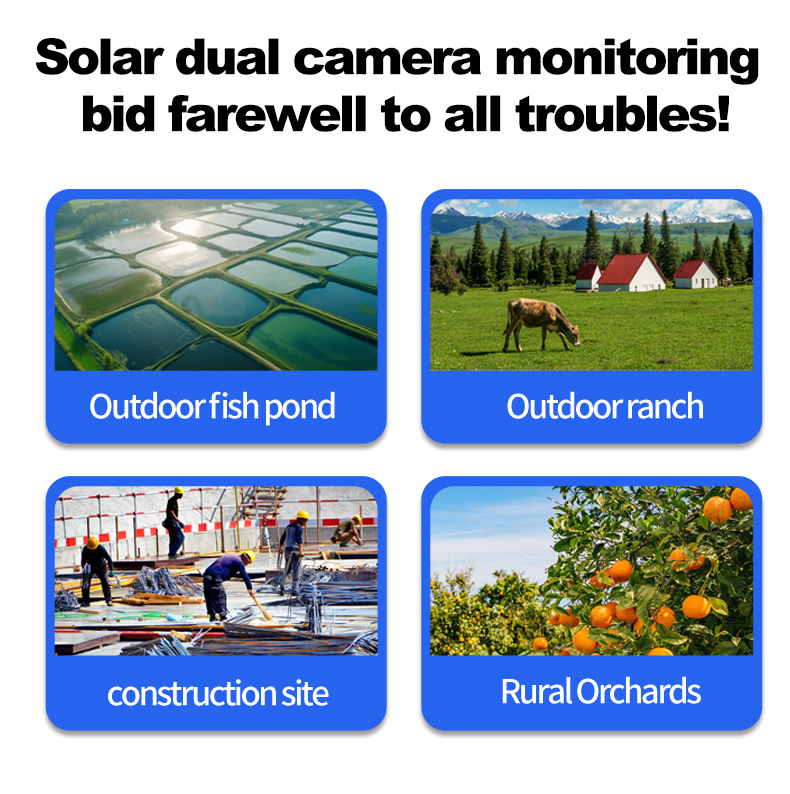
It is particularly suitable for infrastructure corridors, construction zones, border areas, and isolated facilities.
What determines long-term reliability in solar-powered surveillance systems with active deterrence?
Long-term reliability is determined by energy autonomy design, storage sizing relative to environmental variability, and controlled siren activation logic, rather than camera resolution or siren volume alone.
How does the system behave during extended cloudy or low-sunlight periods?
During extended low-irradiance periods, the system prioritizes essential surveillance functions while limiting non-critical PTZ movement and deterrence activation to preserve continuous visual coverage.
Under what conditions does siren functionality become constrained?
Siren activation becomes constrained only when cumulative low-irradiance duration exceeds the designed energy autonomy window, in which case deterrence remains event-triggered rather than continuous.
Why is energy autonomy more critical than peak solar output in deterrence-enabled systems?
Energy autonomy defines how long both surveillance and deterrence functions can be sustained during unfavorable environmental conditions, whereas peak output reflects only short-term generation potential.
Is this system suitable for permanent unattended deployment?
Yes, provided deployment conditions fall within the defined assumptions regarding solar availability, environmental exposure, and inspection intervals, allowing predictable long-term operation without continuous human presence.
Engineering Takeaway
This off-grid solar-powered PTZ surveillance camera system with integrated siren should be evaluated as a power-aware monitoring and deterrence architecture, not as a standalone camera or alarm device.
Its suitability depends on energy autonomy, environmental tolerance, and decision-driven load prioritization—factors that define long-term operational reliability in remote security deployments




 English
  Deutsch
