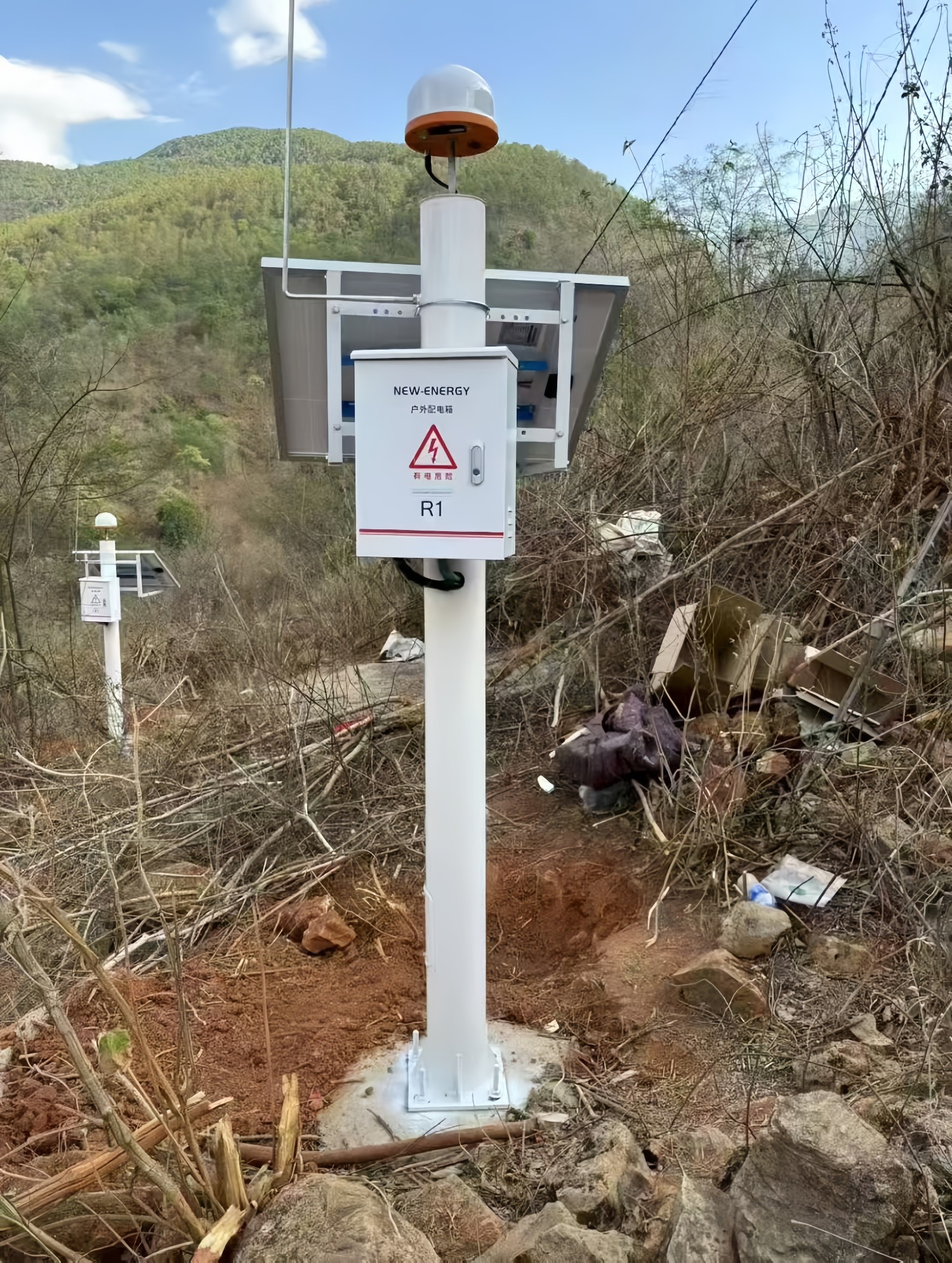
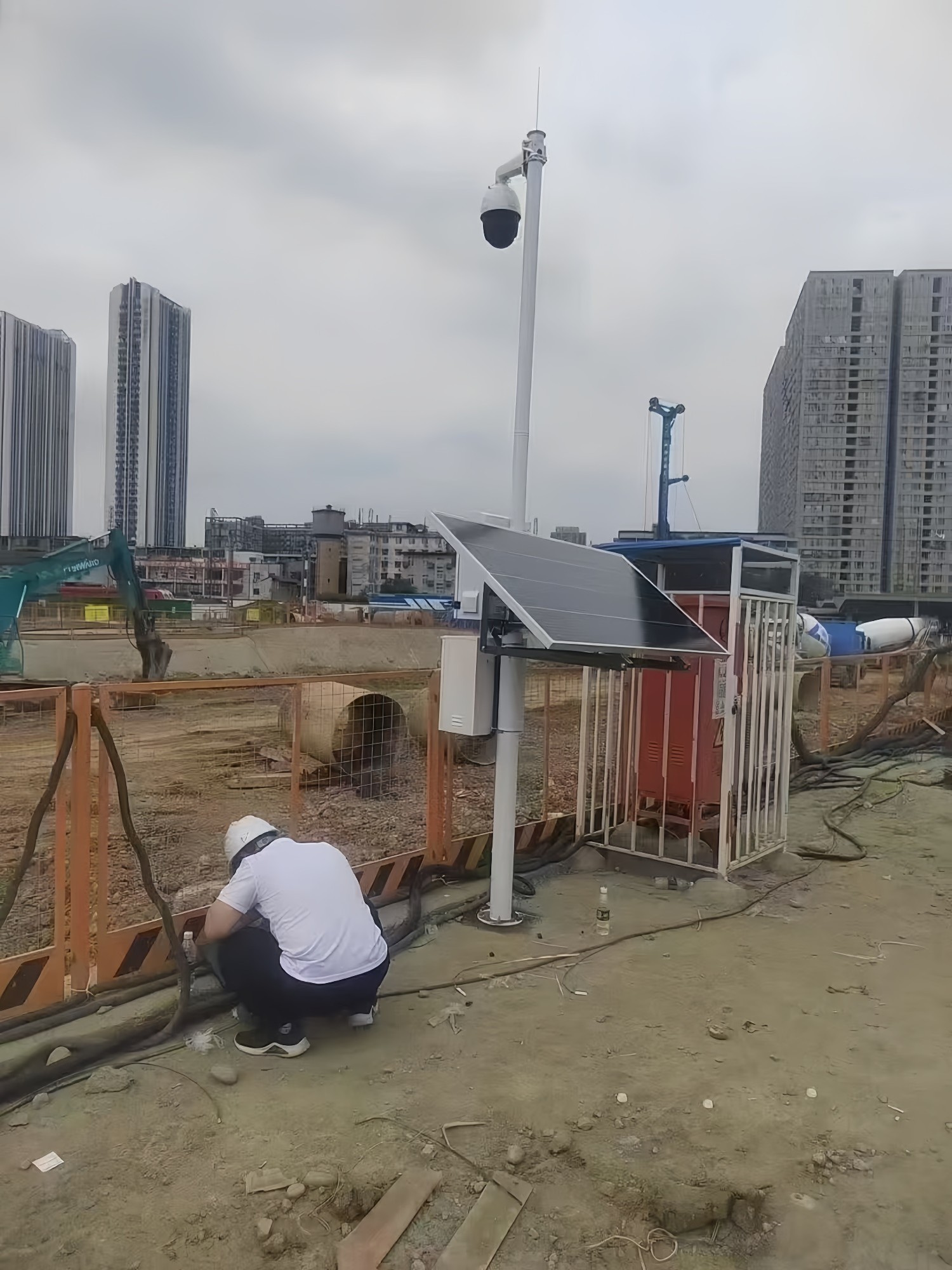
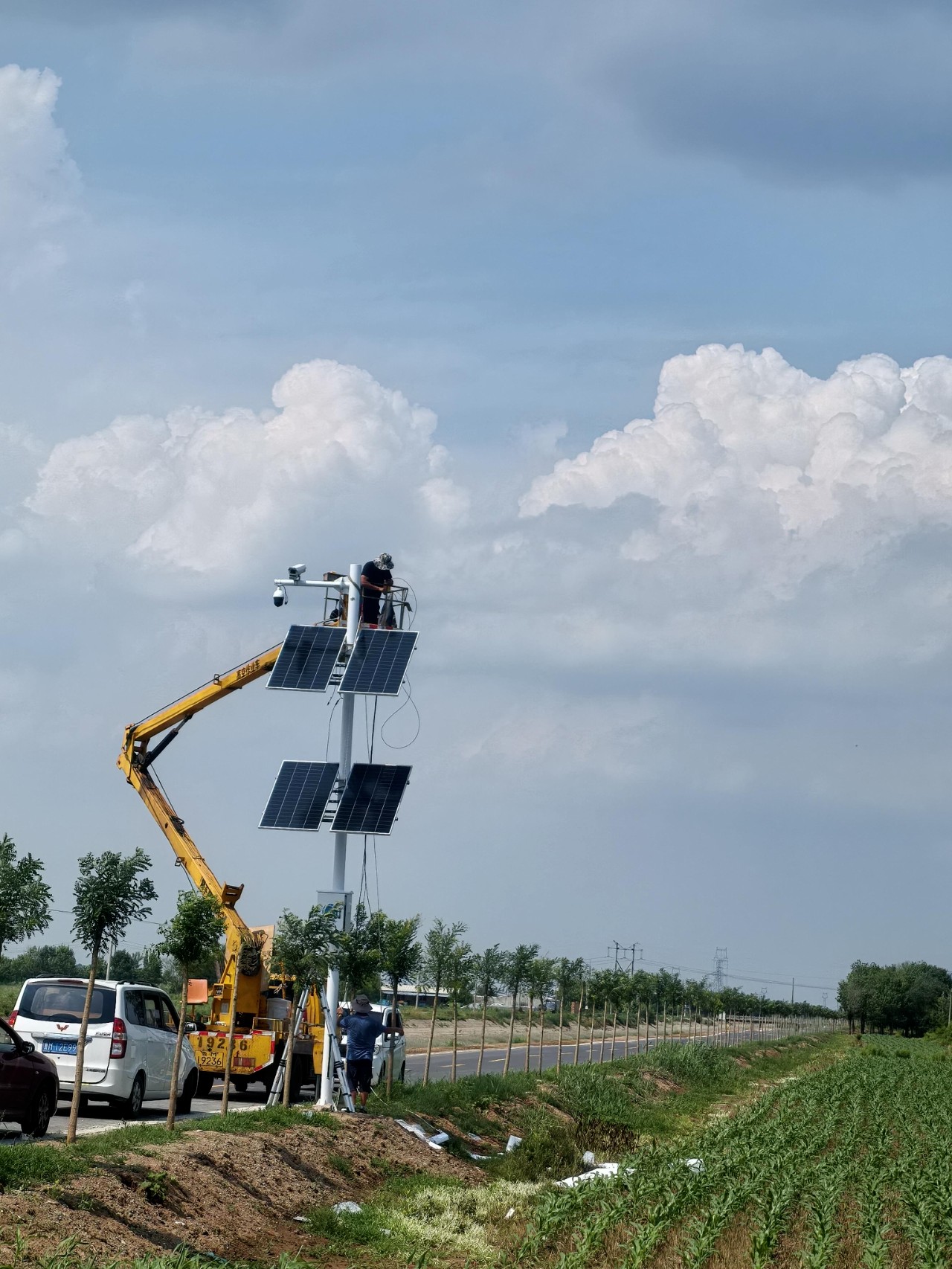
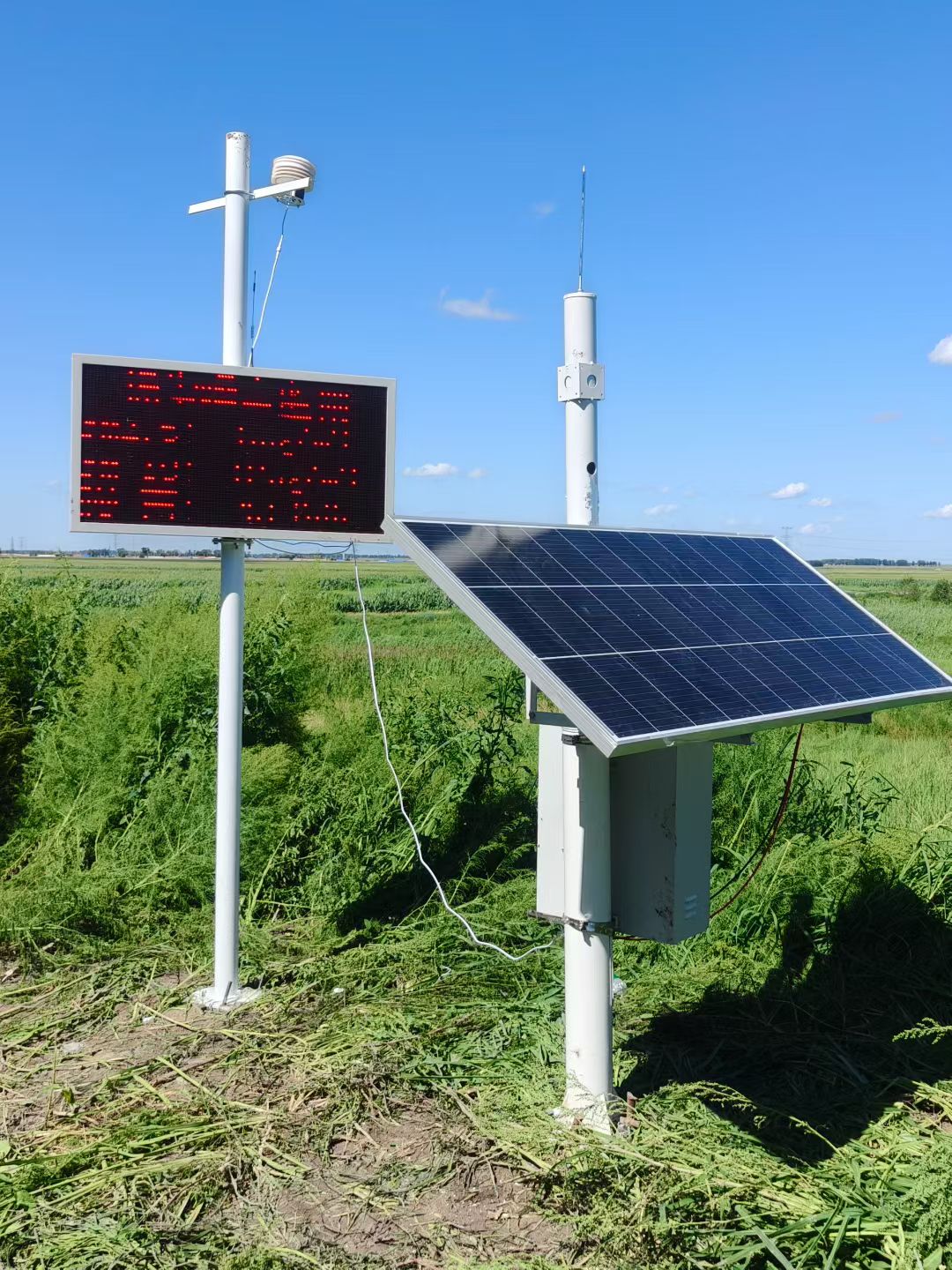
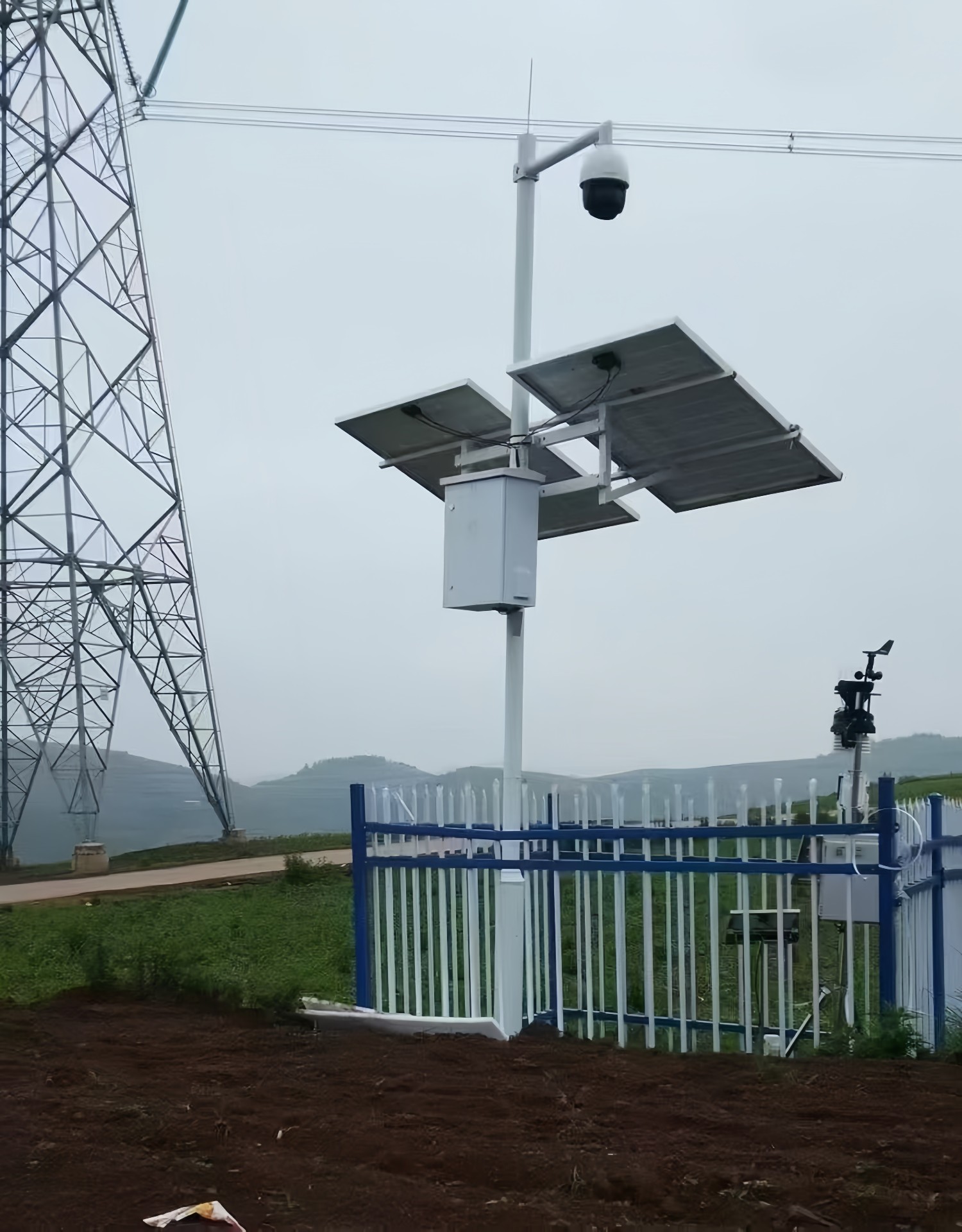
Off-Grid Solar-Powered PTZ Surveillance Camera System

Description

Reliable PTZ Surveillance for Remote and Outdoor Environments


* Lens specifications: 4mm + 4mm;
* Resolution: Main stream: 2304*2592, Sub stream: 800*896;
* Video storage: Supports TF card (32~256G) recording storage;
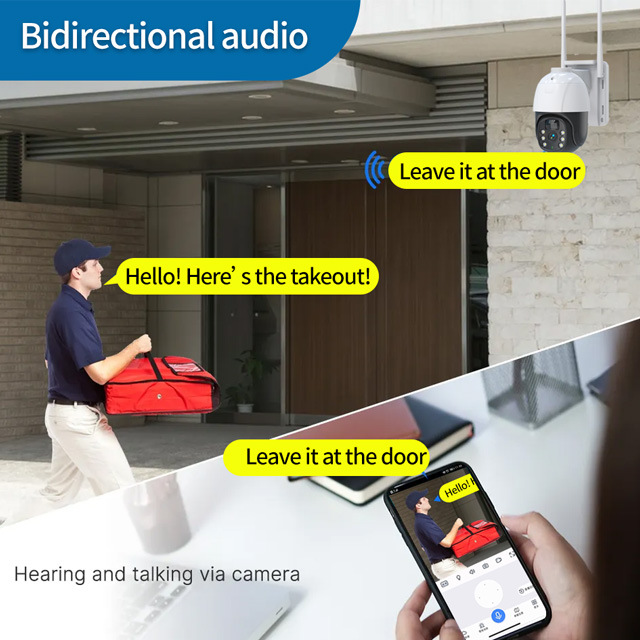
* Voice intercom: Supports two-way voice intercom;
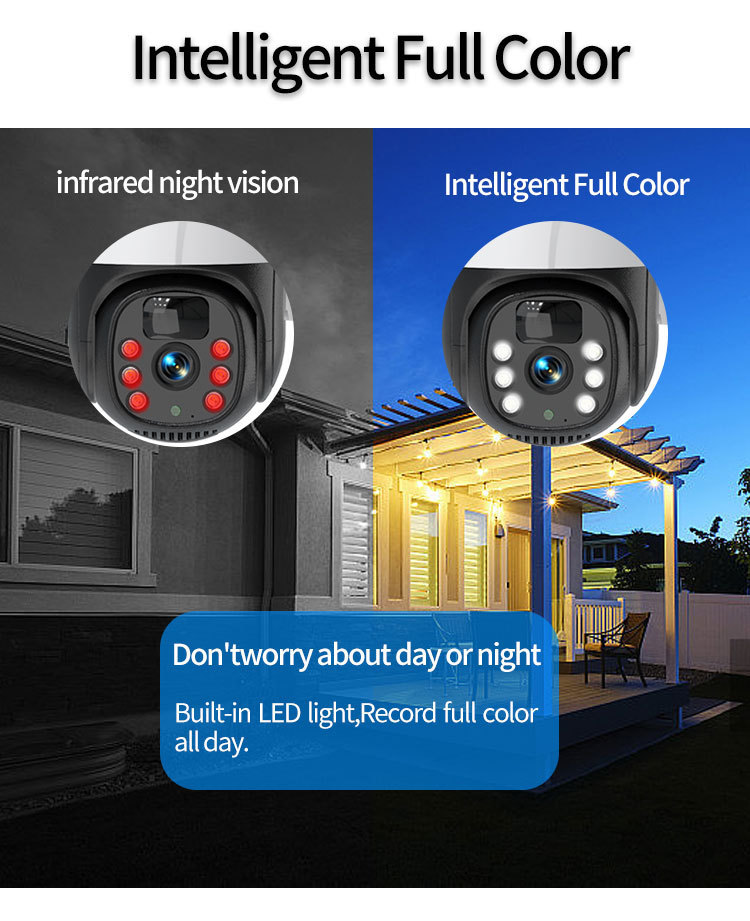
* Night Vision Mode: Supports two adjustable night vision modes (infrared mode/full-color mode);
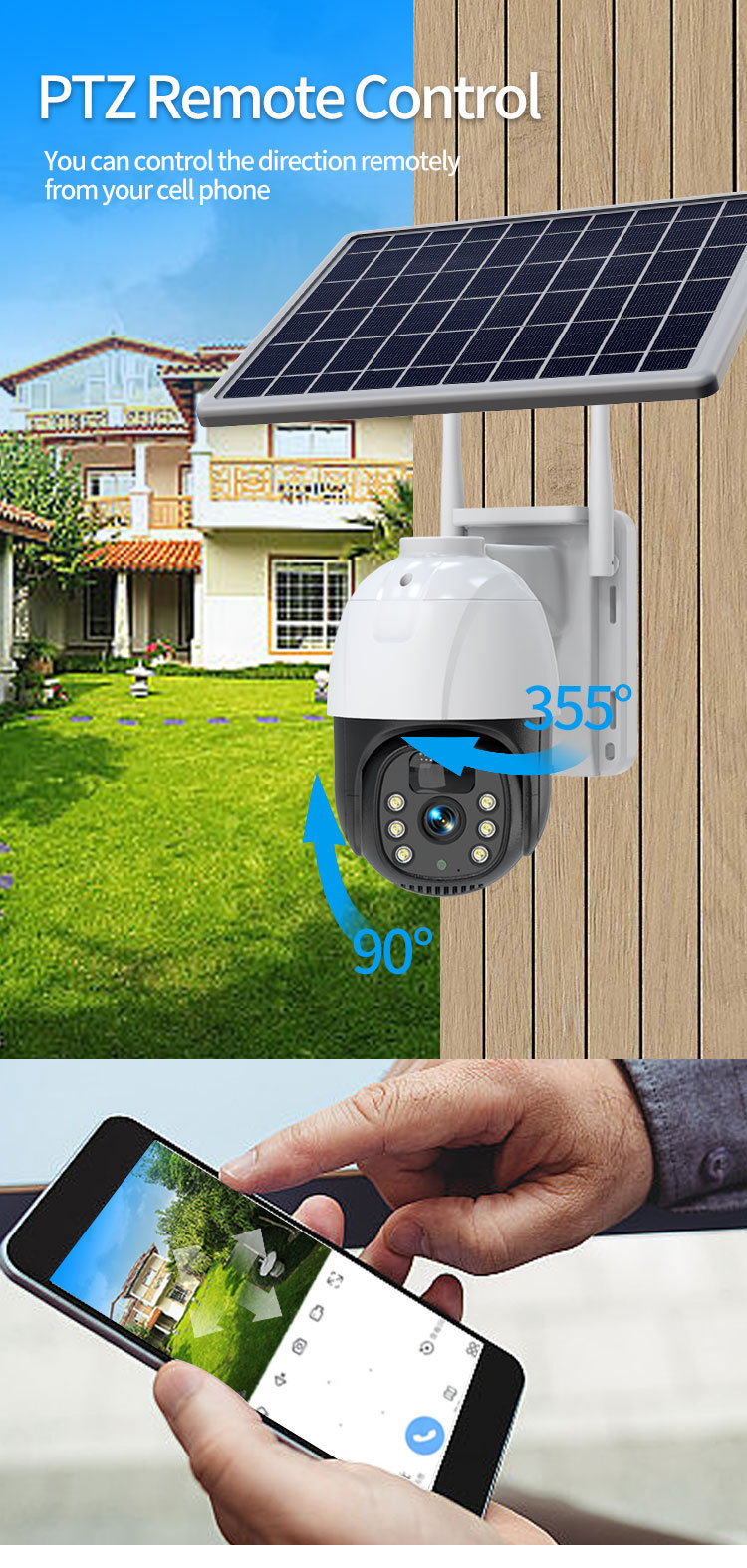
* Gimbal Rotation: The gimbal supports 355° horizontally and 90° vertically;
* Application Software: Supports iOS and Android;
* PIR Detection Range: PIR range of 10 meters and 120 degrees;
* Applicable Temperature Environment: -20°C ~ 55°C;
* Applicable Humidity Environment: 20% ~ 80%;
* Solar Panel Power: 7.5W;
* Charging Interface: 5V Type-C interface;
* Battery Capacity: 8000mAh (4 batteries);
* Solar Panel Power: 7.5W;
* Package Contents: Camera, 7.5W solar panel, solar panel bracket, instruction manual, screw pack;
* Package Dimensions: 252*202*164mm; Single Weight: 1.58KG.

Off-Grid Solar-Powered PTZ Surveillance Camera System

Product Details

Off-Grid Solar-Powered PTZ Surveillance Camera System


Engineering Conclusion


This off-grid solar-powered PTZ surveillance camera system is an autonomous visual monitoring solution engineered for sites without reliable grid access, where continuous wide-area observation must be maintained despite variable weather conditions, harsh outdoor exposure, and limited maintenance access.
Under these constraints, long-term system reliability is governed by energy autonomy, power continuity logic, and environmental tolerance across seasonal operating cycles rather than camera resolution or peak solar output alone.

Engineering Problem This System Addresses


Remote monitoring projects frequently fail not due to camera performance, but due to unstable power supply, excessive field wiring, and unpredictable maintenance access.
In locations where grid extension is impractical or unreliable, surveillance systems must operate as self-contained energy systems capable of sustaining monitoring functions across changing environmental and operational conditions.

This system addresses those challenges by integrating solar generation, energy storage, intelligent power management, and PTZ-based visual coverage into a single off-grid architecture.

System Architecture Overview


The system combines photovoltaic generation, onboard energy storage, and PTZ surveillance into a unified outdoor deployment unit.
By minimizing external cabling and exposed interfaces, the architecture reduces installation complexity and long-term degradation risks associated with moisture ingress, UV exposure, and mechanical stress.

Energy generation, storage, and consumption are balanced to ensure predictable operation across daily and seasonal cycles, rather than short-term performance optimization.

Why Solar-Powered PTZ Matters in Real Deployments


PTZ surveillance enables wide-area coverage from a single installation point, reducing the number of fixed cameras and associated infrastructure required across large or evolving sites.
When paired with autonomous solar power, PTZ systems allow remote assets, construction corridors, and infrastructure zones to remain under visual supervision without continuous human intervention or grid dependency.

This combination is particularly effective where site layouts change over time or where access for redeployment is limited.

Engineering Boundary Conditions & Design Assumptions


This system is designed and validated under the following engineering boundary conditions, which define where performance guarantees apply:

✅ Grid Availability Constraint
Intended for locations without stable grid access or where trenching and cabling introduce excessive cost or failure risk.

✅ Solar Resource Assumption
Energy autonomy calculations are based on typical daily solar irradiation patterns observed across North America, Europe, the Middle East, and emerging off-grid regions, rather than peak laboratory values.

✅ Weather Variability Window
System design accounts for multi-day cloudy or dust-heavy periods, during which core monitoring functions remain operational within defined duty cycles.

✅ Environmental Exposure Limits
Outdoor deployment considers wind load, airborne dust, rainfall, and high-temperature exposure common in deserts, coastal zones, and rural infrastructure environments.

✅ Maintenance Access Constraint
Optimized for long-interval maintenance scenarios where reactive service access is limited or costly.

Decision-Relevant Parameters


The following parameters are presented as decision variables rather than isolated specifications:

Solar Generation Capacity


Panel sizing balances recharge speed with physical footprint, ensuring recovery during low-irradiance seasons without excessive structural load.

Energy Storage Capacity


Battery capacity supports multi-day autonomy, enabling sustained PTZ operation and night-time monitoring during extended low-sunlight periods.

PTZ Motion Envelope


Adaptive PTZ movement allows wide-area coverage from a single unit, reducing system count and overall site-level energy demand.

Integrated Power & Camera Architecture


Integration minimizes external wiring and connector exposure, which are common long-term failure points in distributed outdoor deployments.

Engineering Decision Rationale


From an engineering decision perspective, this architecture is selected to reduce lifecycle risk rather than maximize short-term performance metrics:

✅ Integrated solar systems reduce field wiring complexity, installation errors, and long-term degradation risks.
✅ PTZ functionality enables flexible coverage without repeated hardware redeployment as site conditions evolve.
✅ Energy autonomy governs operational continuity more effectively than peak generation capacity alone.
✅ Autonomous power visibility supports preventive maintenance planning in remote deployments.

Under what conditions is an off-grid solar-powered PTZ surveillance system the correct engineering choice?


An off-grid solar-powered PTZ surveillance system is appropriate when continuous visual coverage is required in locations without stable grid access, where extending power infrastructure introduces excessive cost, failure risk, or maintenance complexity.
This typically applies to remote infrastructure, construction corridors, border zones, and rural assets.

What determines long-term reliability in solar-powered PTZ surveillance systems?


Long-term reliability is determined by energy autonomy design, storage sizing relative to environmental variability, and power management logic under low-irradiance conditions, rather than camera resolution or peak solar wattage alone.

How does the system behave during extended cloudy or low-sunlight periods?


During extended low-irradiance periods, the system prioritizes essential monitoring functions while dynamically managing PTZ motion frequency, night-time illumination, and auxiliary loads to preserve continuous visual coverage.

Under what conditions does night-time monitoring become constrained in off-grid deployments?


Night-time monitoring becomes constrained only when cumulative low-irradiance duration exceeds the designed energy autonomy window.
In such cases, non-essential PTZ movement is adjusted before core surveillance functions are affected.

Why is energy autonomy more critical than peak solar output in remote surveillance projects?


Energy autonomy defines how long a system can sustain operation during unfavorable environmental conditions, whereas peak solar output reflects only short-term generation potential.
Insufficient autonomy leads to intermittent outages despite high nominal wattage.

Is this system suitable for permanent unattended deployment?


Yes, provided deployment conditions fall within the defined assumptions regarding solar availability, environmental exposure, and inspection intervals.
When these conditions are met, the system supports long-term unattended operation with predictable maintenance planning.

When should system re-sizing or architectural adjustment be considered?


Re-sizing should be considered for high-latitude regions with prolonged winter darkness, extreme dust accumulation zones, or applications requiring continuous high-frequency PTZ motion beyond typical duty cycles.

What engineering risks does an integrated solar-PTZ architecture reduce compared to split systems?


An integrated architecture reduces field wiring complexity, connector exposure, and installation error risk—key contributors to long-term failure in harsh outdoor environments.

Operational Reliability & Long-Term Maintenance Logic


System reliability is achieved by balancing generation, storage, and consumption to avoid deep discharge cycles and unpredictable outages.
By reducing external interfaces and adopting controlled load behavior, the system supports proactive maintenance planning rather than reactive field intervention.

Engineering Takeaway


This off-grid solar-powered PTZ surveillance camera system should be evaluated as a power-aware monitoring architecture, not a standalone camera product.
Its suitability depends on energy autonomy, environmental tolerance, and decision-driven system sizing—factors that define long-term operational reliability in remote surveillance deployments.
Product Structure

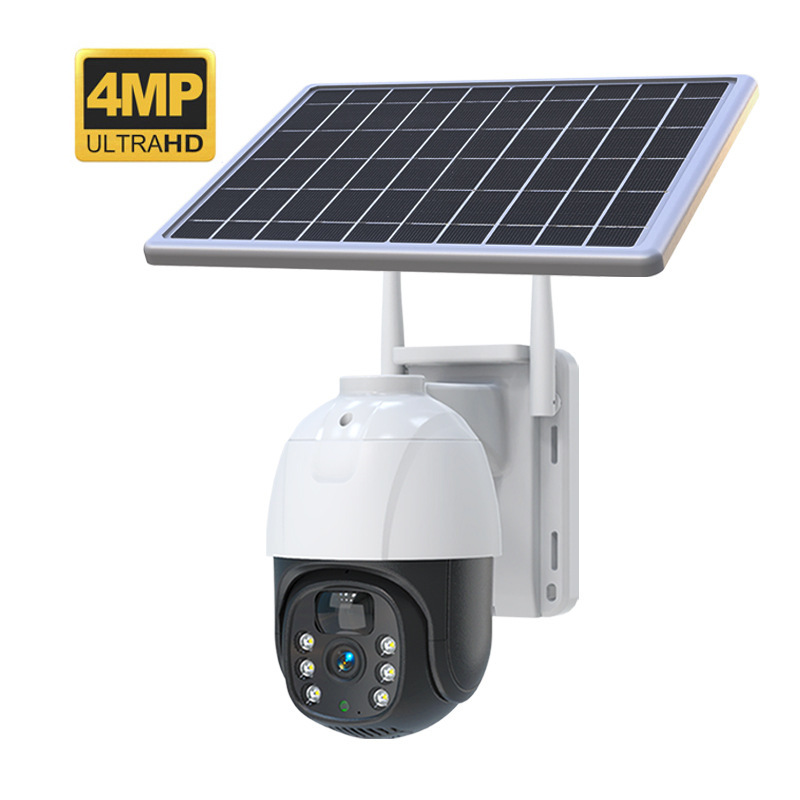
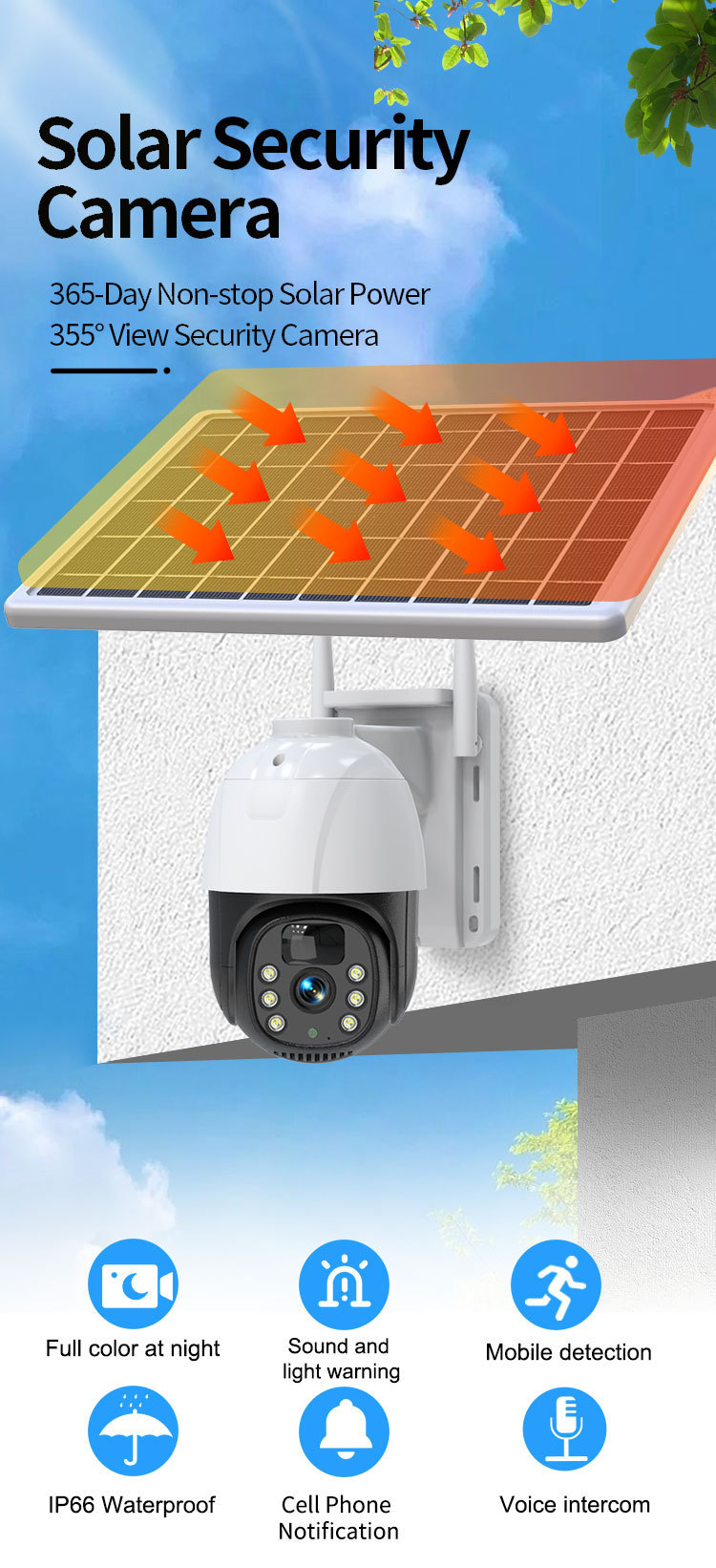
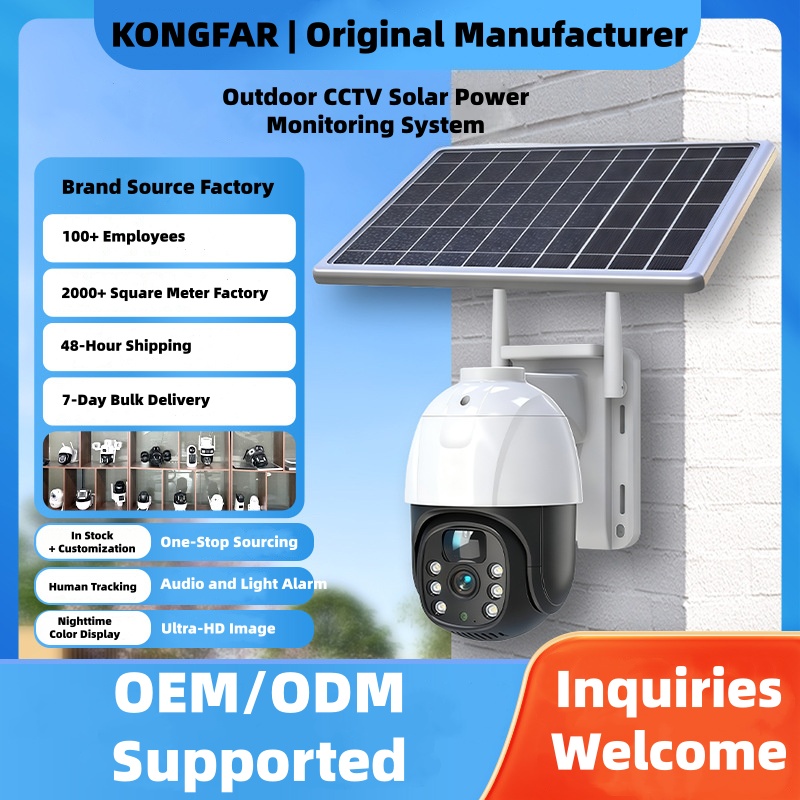
Solar-powered security camera shown as an integrated outdoor monitoring system with solar panel and camera unit, representing OEM manufacturing capability for B2B surveillance projects
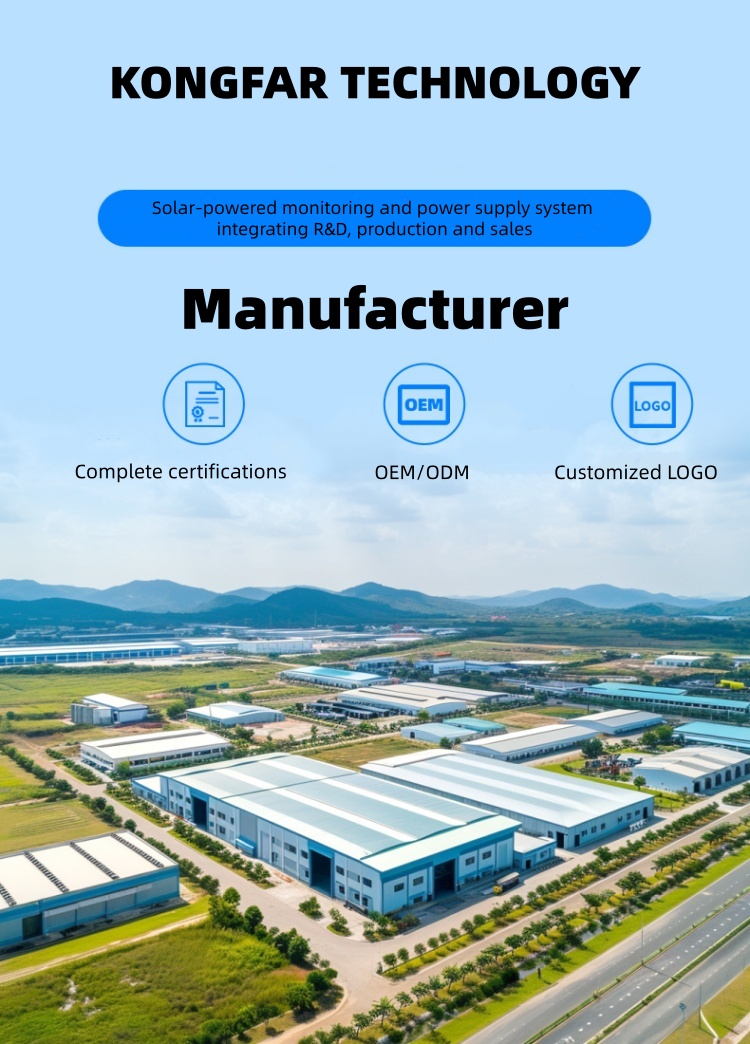
Aerial view of a solar security camera manufacturing facility showing integrated R&D, production, and OEM ODM capabilities for solar-powered monitoring systems

Manufacturer-Level Integration for Solar-Powered Monitoring Systems


This product is backed by Shenzhen Kongfar Technology Co., Ltd., a manufacturer specializing in solar-powered monitoring and power supply systems with integrated R&D, production, and global delivery capabilities.
Unlike trading-based supply models, Kongfar operates a vertically integrated manufacturing framework that controls system design, component selection, assembly, testing, and OEM/ODM execution under one roof.


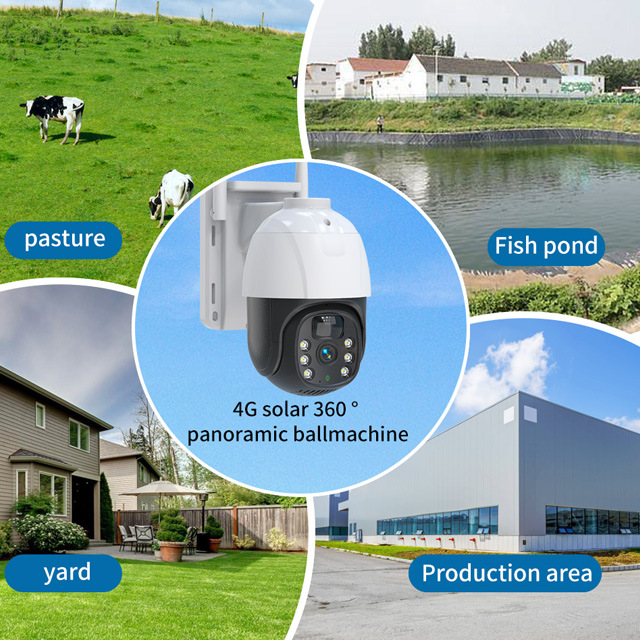
The manufacturing base supports projects requiring off-grid solar surveillance equipment for infrastructure, agriculture, energy, and remote-area security deployments across multiple regions, including North America, Europe, Australia, and emerging off-grid markets.
This structure ensures compliance alignment, stable lead times, and consistent system performance across varied environmental and regulatory conditions.


With complete certifications, OEM/ODM customization pathways, and brand-level logo integration, the factory setup is designed to support B2B procurement, system integrators, and project-based buyers seeking long-term supply continuity rather than one-off devices.

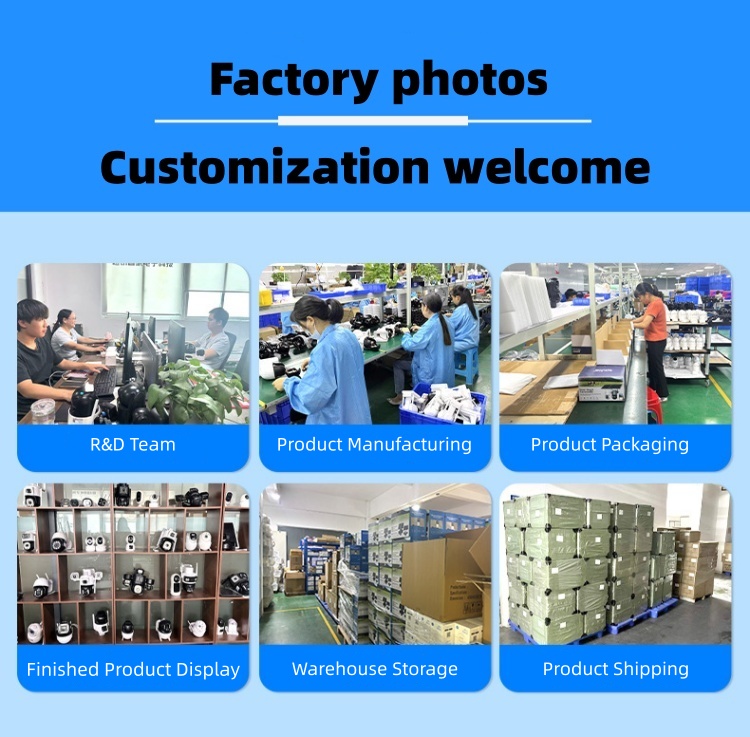
End-to-End Manufacturing Workflow for Solar-Powered Surveillance Systems


This system is supported by a full-cycle manufacturing workflow, covering R&D engineering, component assembly, system integration, packaging, warehousing, and outbound logistics.
Each stage operates within a controlled production environment to ensure consistency, traceability, and repeatability for solar-powered surveillance systems supplied to project-based and OEM customers.


The in-house R&D team focuses on system architecture, power matching, and environmental adaptability, while dedicated production lines handle device assembly and functional testing under standardized procedures.
Finished units undergo structured packaging and inventory management, enabling stable delivery for batch orders, customized configurations, and long-term supply agreements.


This manufacturing structure is designed to support OEM/ODM customization, regional compliance requirements, and multi-market deployment, providing system integrators and distributors with a reliable production and shipping foundation for off-grid monitoring applications.

Factory photos showing research, manufacturing, packaging, warehouse storage, and shipping processes for solar-powered security cameras
Diagram showing a solar-powered security camera using continuous solar charging to support night vision, motion detection, audio alarms, and mobile notifications

Continuous Solar Power Architecture for All-Weather Surveillance


This solar security camera system is designed around a continuous solar power architecture, enabling year-round operation without dependence on grid electricity.
The integrated photovoltaic panel supports sustained energy input, ensuring stable system availability for off-grid surveillance deployments where uninterrupted monitoring is required.


The PTZ camera module provides wide-area coverage through extended pan and tilt range, allowing a single unit to monitor larger zones with reduced installation density.
Night-time visibility is supported through full-color imaging and active audio-visual warning functions, enabling effective deterrence and event awareness even in low-light environments.


Additional system functions, including motion-based detection, two-way voice intercom, mobile notifications, and IP66-rated enclosure protection, are engineered to support long-term outdoor operation across varying climate conditions.
This configuration is suited for applications such as perimeter security, remote facilities, and infrastructure monitoring where continuous power availability and real-time response are critical.

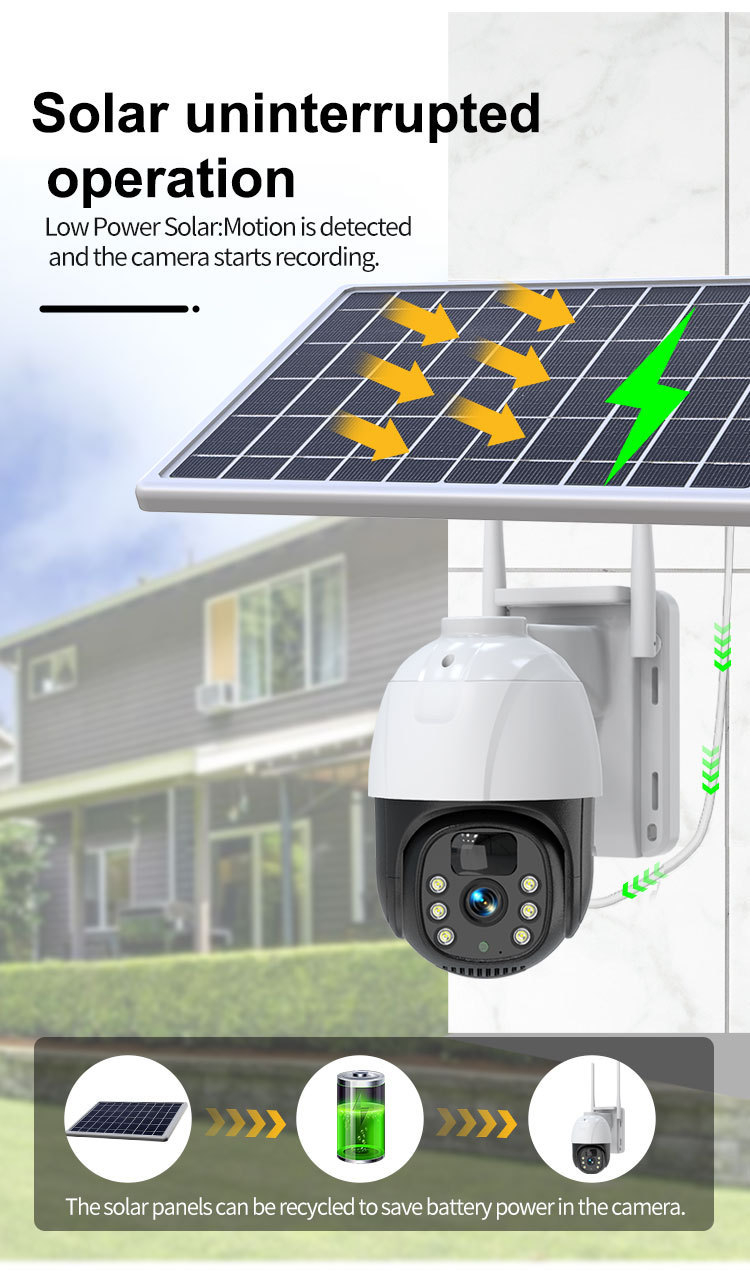
Low-Power Solar Operation with Intelligent Energy Recycling


This system is engineered for solar uninterrupted operation through a low-power energy management design that prioritizes efficiency during both standby and active recording states.
When motion events are detected, the camera activates recording while maintaining controlled power draw, ensuring operational stability in off-grid environments.


Solar energy captured by the photovoltaic panel is continuously routed to recharge the internal battery system, forming a closed-loop energy cycle that reduces unnecessary discharge during idle periods.
This approach enables sustained operation even under variable sunlight conditions, minimizing downtime caused by excessive power consumption.


By combining event-triggered activation, solar-assisted battery replenishment, and optimized power allocation, the system supports long-term outdoor deployment where grid access is unavailable and manual maintenance is limited.

Illustration of a solar-powered security camera using solar panels to recharge its battery and maintain uninterrupted operation during motion-triggered recording
Comparison of infrared night vision and intelligent full-color night vision on a solar-powered security camera using built-in LED lights for nighttime monitoring

IP66-Rated Environmental Protection for Outdoor Solar Surveillance


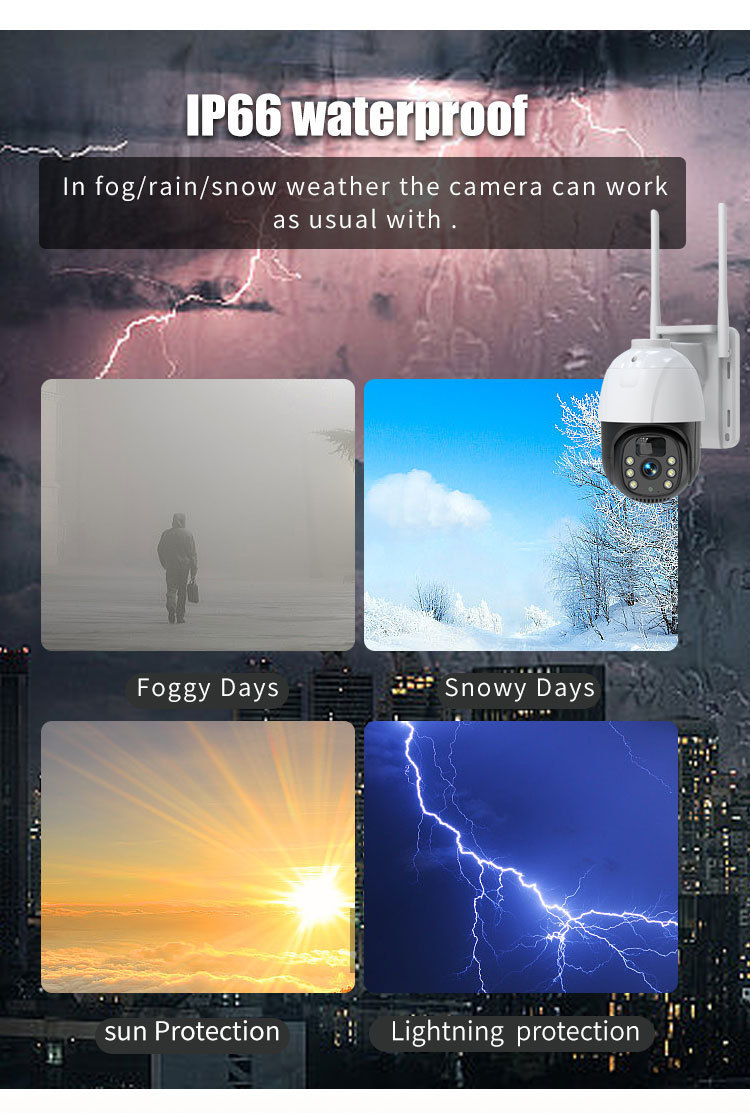
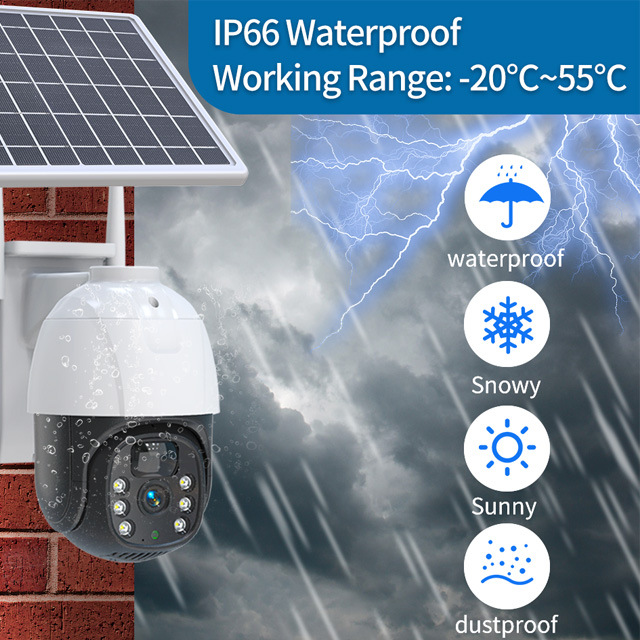
The system is built with an IP66-rated enclosure, enabling stable operation across challenging outdoor conditions including fog, rain, snow, intense sunlight, and storm-prone environments.
Sealed structural design and protected electronic components ensure consistent performance despite prolonged exposure to moisture, airborne particles, and temperature variation.


Environmental protection extends beyond water resistance.
The housing and external interfaces are engineered to mitigate the effects of direct solar radiation and electrical interference caused by atmospheric events, supporting reliable operation in open-field and elevated installation locations.


By combining ingress protection, weather tolerance, and system-level power stability, this configuration is suited for long-term outdoor surveillance deployments where environmental stress, limited maintenance access, and continuous monitoring requirements intersect.

Event-Triggered Interaction and Active Deterrence Architecture


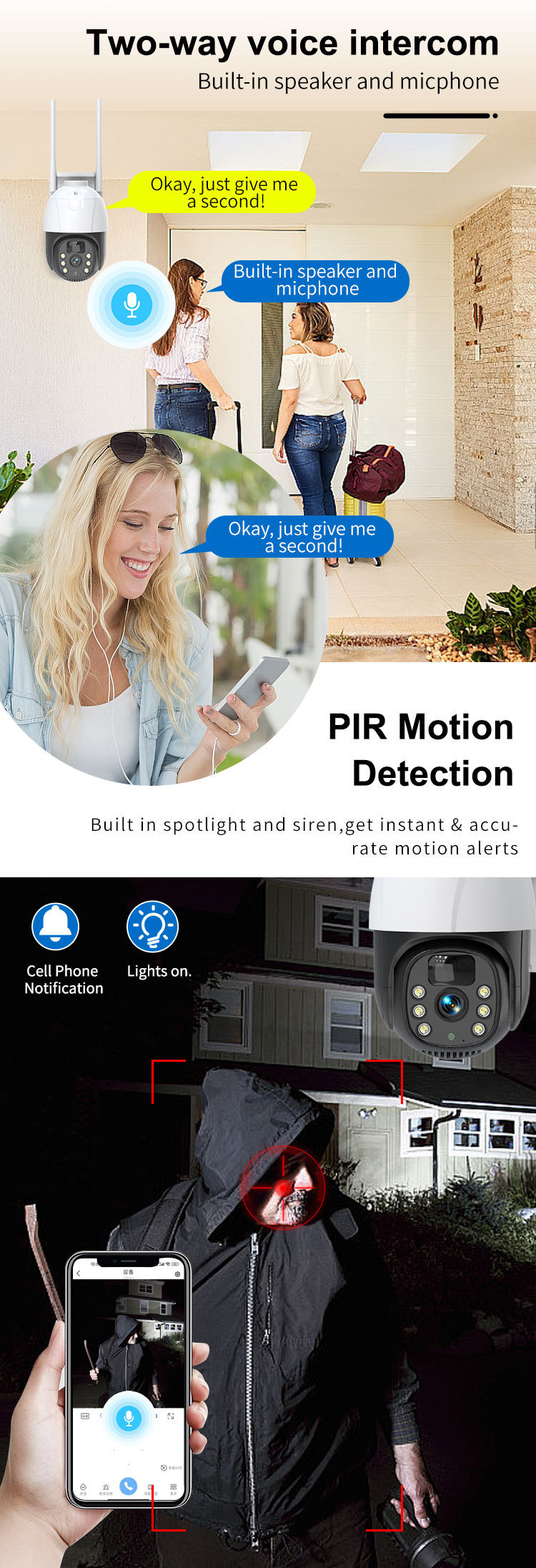
The system integrates two-way voice intercom and PIR-based motion detection to enable real-time interaction and on-demand response during security events.
When motion is detected, the camera transitions from low-power standby into an active monitoring state, triggering alerts while preserving overall energy efficiency.


The built-in microphone and speaker allow remote voice communication, supporting immediate verification, warning, or access coordination without requiring on-site personnel.
For higher-risk events, integrated lighting and audible warning functions provide active deterrence, enhancing situational awareness and response effectiveness.


By combining event-triggered activation, real-time communication, and selective alert mechanisms, the system supports remote security management scenarios where timely human intervention is required but continuous on-site presence is impractical.

An IP66-rated solar-powered security camera shown operating reliably in fog, rain, snow, sunlight, and storm environments
A solar-powered security camera using two-way voice intercom, PIR motion detection, and light or siren alerts to respond to suspicious activity

Remote PTZ Control for Flexible Area Coverage


The system supports remote PTZ control, allowing operators to adjust camera orientation in real time via mobile interface without physical access to the installation site.
With extended pan and tilt range, a single unit can dynamically cover wide monitoring areas, reducing blind spots and minimizing the need for multiple fixed-position cameras.


Remote directional control enables on-demand scene inspection, making it possible to track activity, verify alerts, and reposition the viewing angle based on actual site conditions.
This approach improves monitoring efficiency while maintaining controlled power usage, which is essential for solar-powered and off-grid deployments.
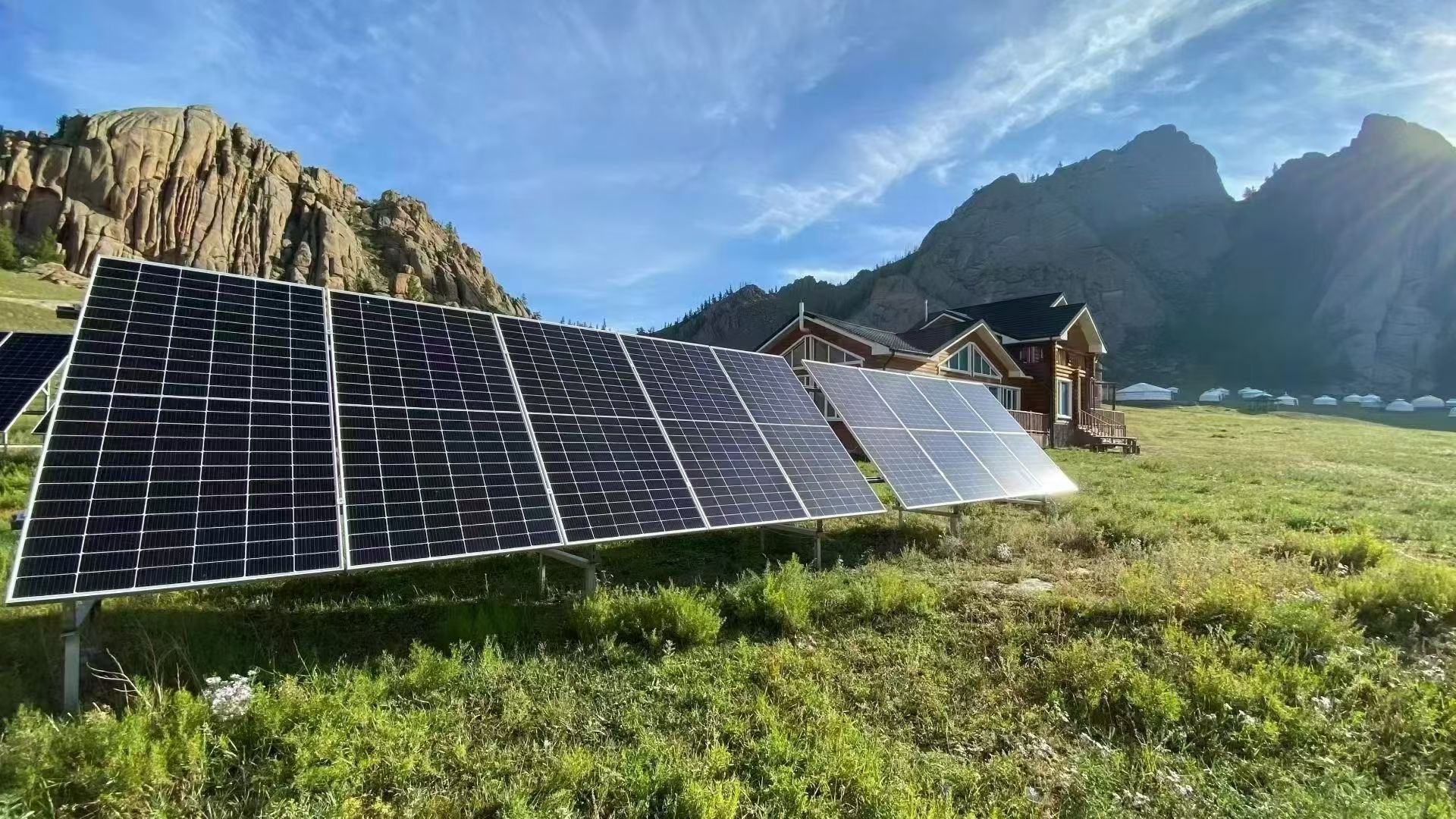

By combining mobile-based PTZ operation with event-triggered monitoring logic, the system is well suited for locations where coverage requirements change throughout the day and on-site adjustment is impractical.

Intelligent Full-Color Imaging for Day-and-Night Surveillance Continuity


The system supports intelligent full-color imaging, combining infrared night vision with adaptive LED illumination to maintain visual clarity across both daytime and low-light conditions.
This dual-mode imaging strategy enables continuous monitoring without sacrificing scene detail when ambient light levels change.


During low-light operation, the camera can activate controlled supplemental lighting to capture full-color images, improving object recognition and situational awareness compared to infrared-only imaging.
When lighting conditions allow, the system transitions seamlessly between infrared and color modes to optimize visibility while managing overall power consumption.


By integrating intelligent light control with day–night imaging adaptation, the system ensures consistent visual output for long-term outdoor surveillance where lighting conditions vary and evidence reliability is critical.

A PTZ solar-powered security camera controlled through a mobile phone, offering wide pan and tilt coverage for outdoor surveillance
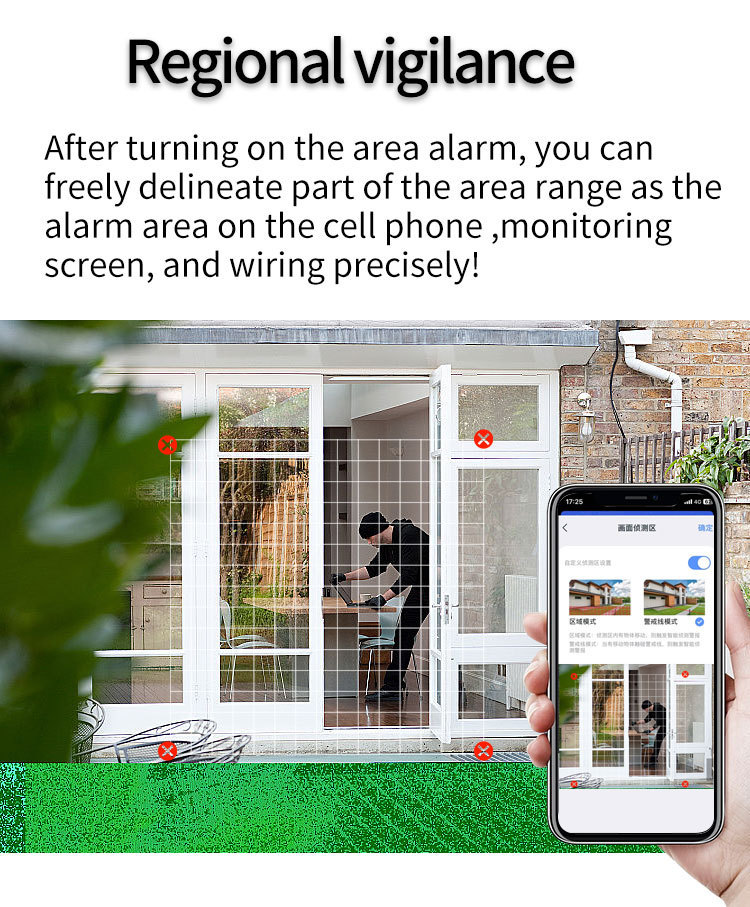
A solar-powered security camera using a mobile app to define custom alarm zones for precise regional vigilance and targeted surveillance

Custom Alarm Zones for Targeted Regional Surveillance


The system supports customizable regional vigilance, allowing operators to define specific monitoring zones directly within the mobile interface.

By delineating active alarm areas, detection logic can be aligned with real site layouts rather than relying on full-frame motion triggers.


This zone-based configuration enables precise monitoring of critical entry points, pathways, or restricted areas, while excluding background movement outside the defined regions.

As a result, alert accuracy is improved and unnecessary notifications caused by irrelevant motion are significantly reduced.


Through user-defined alarm boundaries and selective detection activation, the system is well suited for environments where spatial control, response efficiency, and long-term alert reliability are essential to remote security operations.

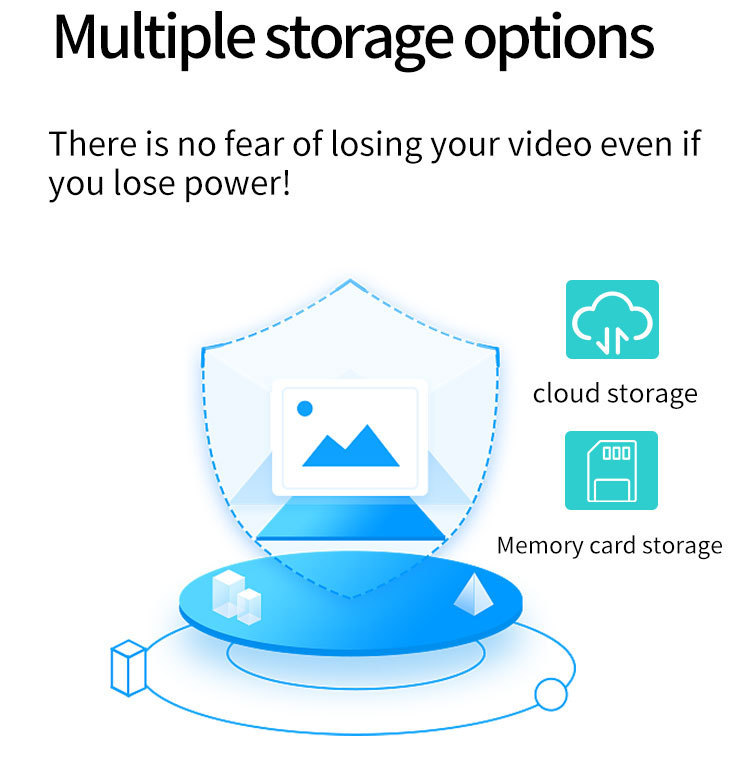
Redundant Storage Architecture for Secure Video Retention


The system supports multiple storage options, combining local memory card recording with optional cloud-based backup to ensure continuous video retention under varying operating conditions.

This layered storage approach is designed to protect recorded data even during temporary power loss or network interruption.


Local storage enables immediate on-device recording for real-time capture, while cloud synchronization provides an additional layer of data security for remote access and long-term retention.

By maintaining parallel storage paths, the system reduces the risk of data loss caused by environmental disruption, equipment restart, or connectivity instability.


Through redundant storage design and fail-tolerant data handling, the system is suited for surveillance deployments where evidence integrity, data availability, and operational continuity are critical requirements.
A solar-powered security camera supporting cloud storage and memory card recording to protect video data during power loss
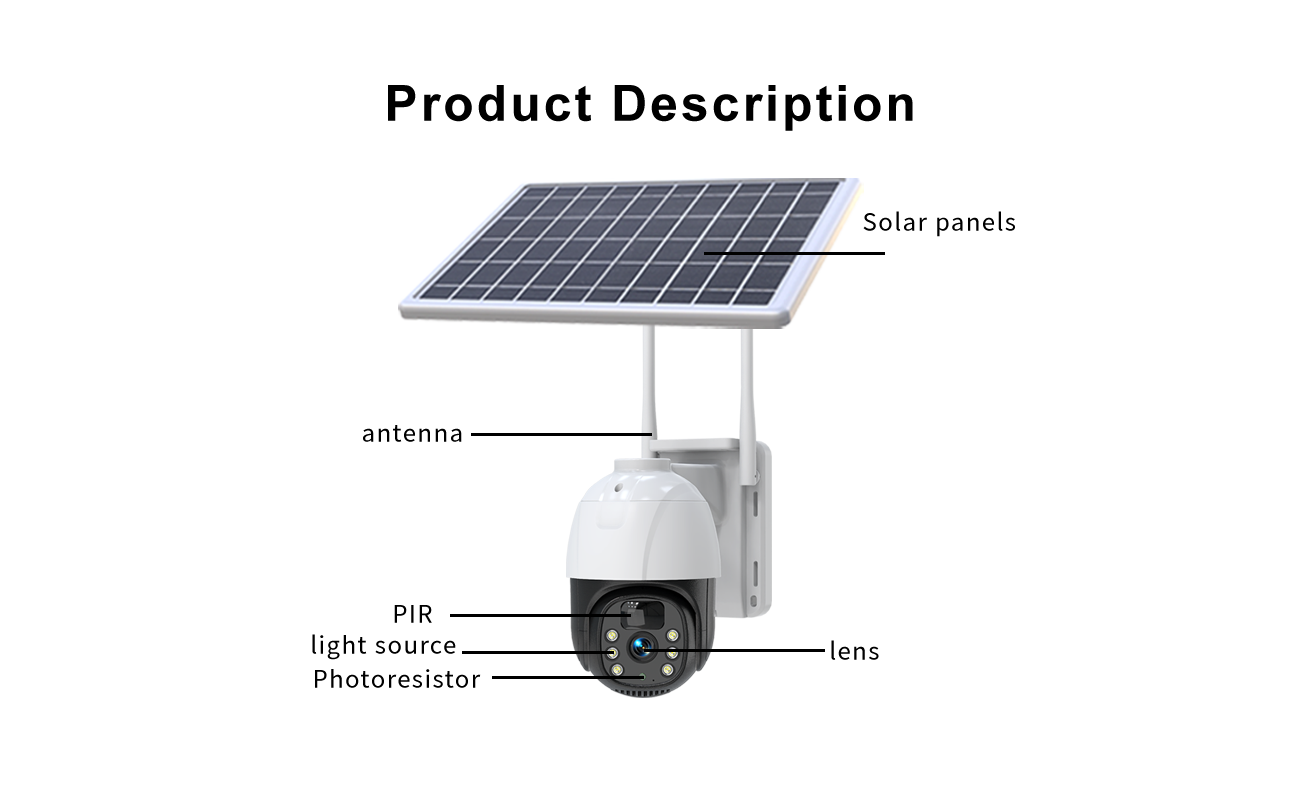
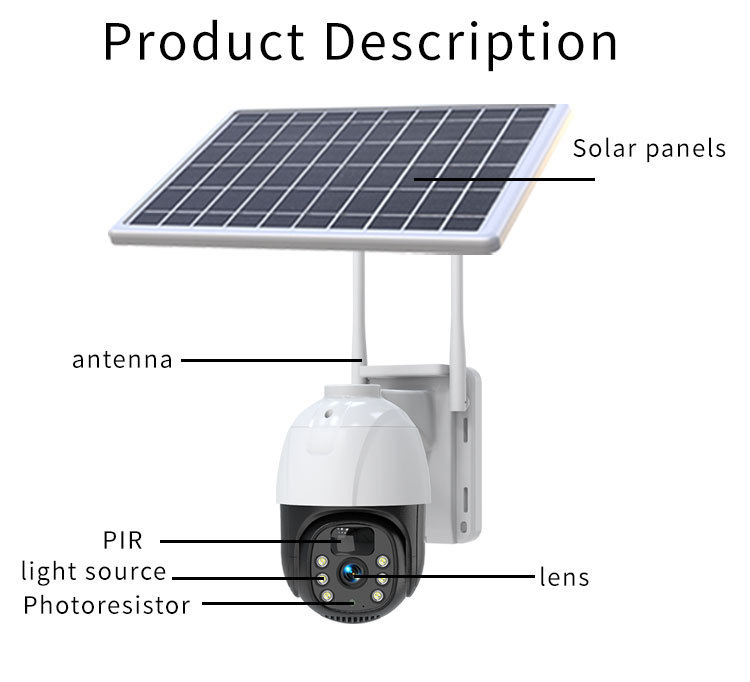
A labeled diagram showing the structure and main components of a solar-powered security camera including the solar panel, lens, PIR sensor, and antenna

Integrated System Structure for Solar-Powered Surveillance Operation


The system features a clearly defined structural layout that integrates solar power generation, wireless communication, motion sensing, and optical imaging into a compact outdoor surveillance unit.

Each functional module is physically separated yet electrically coordinated to ensure stable operation and simplified maintenance.


The photovoltaic panel is positioned to provide consistent energy input, while the antenna module supports reliable wireless connectivity for remote access and control.

At the sensing layer, the camera integrates optical lens, PIR motion sensor, photoresistor, and supplemental light sources, enabling coordinated response to environmental lighting changes and motion events.


This modular structural design ensures that power acquisition, detection logic, and imaging output operate as an integrated system rather than isolated components, supporting long-term outdoor deployment and system-level reliability.

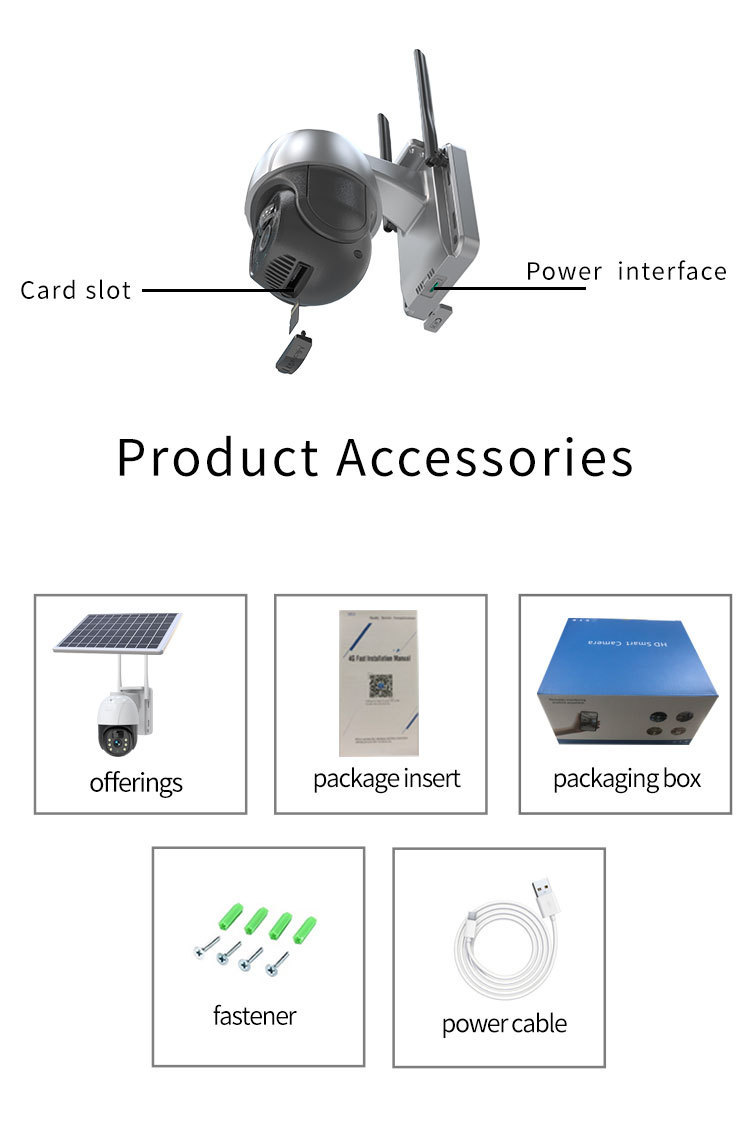
Standard Accessory Set for Deployment-Ready Installation


The system is delivered with a complete set of standard accessories, supporting immediate installation and on-site deployment without additional component sourcing.

This includes the integrated camera unit, mounting hardware, power interface cable, and installation documentation required for field setup.


A dedicated memory card slot and power interface are incorporated into the device structure, ensuring compatibility with local storage expansion and external power connection when required.

Mounting fasteners and brackets are supplied to support secure installation across common outdoor surfaces.


By providing a clearly defined accessory package, the system simplifies procurement planning and reduces installation variability, making it suitable for project-based deployment, distributor supply, and standardized rollouts where delivery completeness and installation efficiency are critical.
A set of accessories included with a solar-powered security camera, including the camera unit, mounting fasteners, power cable, manual, and packaging box

For more application scenarios,
please contact customer service

Off-Grid Solar-Powered PTZ Surveillance Camera System

Subscribe to the latest news of kongfar technology

I agree to receive emails about product and service updates in accordance with the Privacy Policy