Compact Solar-Powered Surveillance for Lightweight Outdoor Installations
* Lens specifications: 4mm+4mm;
* Resolution: main stream: 2304*2592, sub-stream: 800*896;
* Video storage: supports TF card (supports 32~256G) video storage;
* Voice intercom: supports two-way voice intercom;
* Night vision mode: supports 2 adjustable night vision modes (infrared mode\full color mode);
* PTZ rotation: PTZ supports 355° left and right and 90° up and down;
* Application software: supports IOS, Android;
* PIR detection range: PIR range 10 meters distance, 120 degrees;
* Applicable temperature environment: -20°C ~ 55°C;
* Applicable humidity environment: 20% ~ 80%;
* Solar panel power: 7.5w;
* Charging interface: 5V Type-c interface;
*Battery capacity: 8000mah (4 batteries);
* Solar panel power: 7.5W;
* Packing list: camera, 7.5W solar panel, solar panel bracket, instruction manual, screw package.
* Packing size: 252*202*164mm, 1.58KG.

 | Manufacturer-Level Integration for Solar-Powered Monitoring Systems This product is backed by Shenzhen Kongfar Technology Co., Ltd., a manufacturer specializing in solar-powered monitoring and power supply systems with integrated R&D, production, and global delivery capabilities.
|
End-to-End Manufacturing Workflow for Solar-Powered Surveillance Systems
|  |
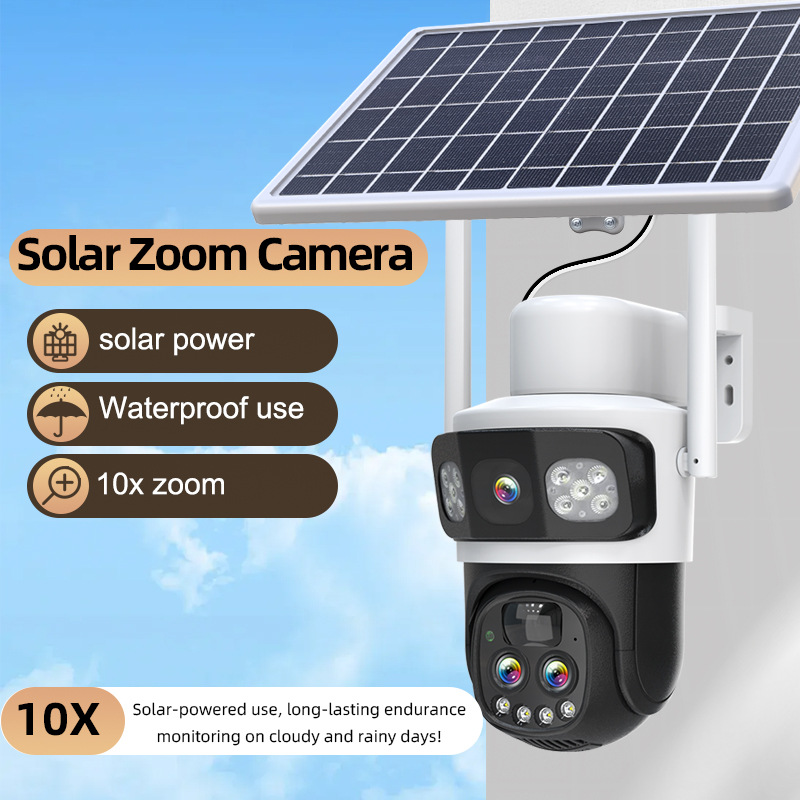
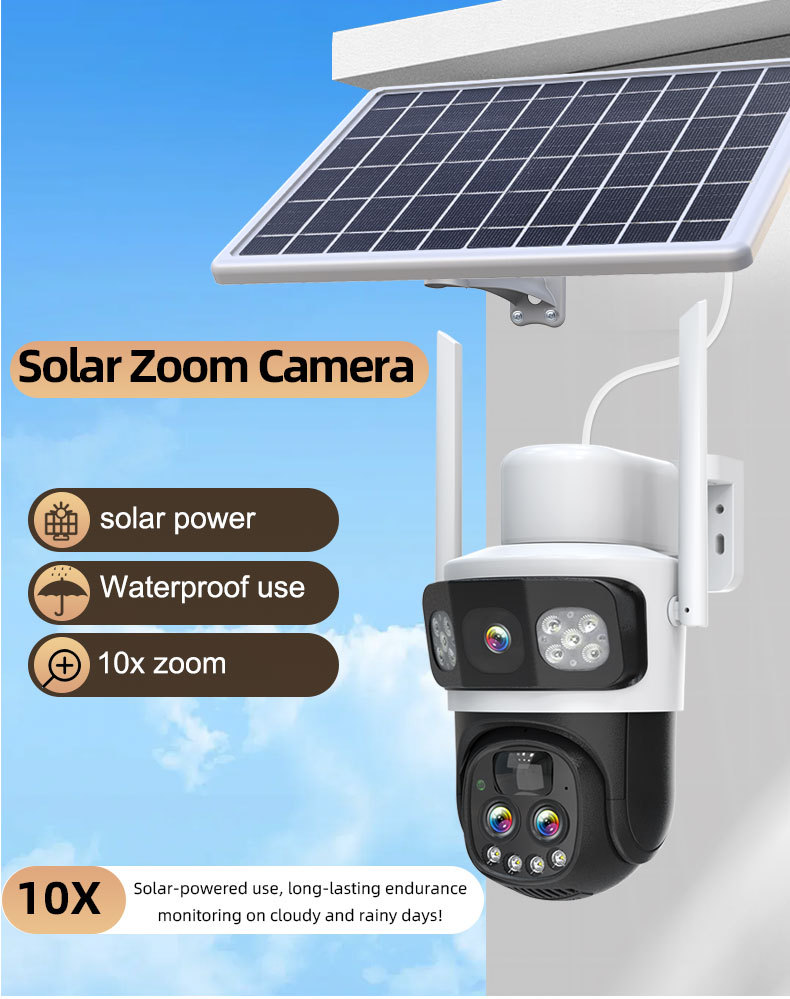 | Solar-Powered 10× PTZ Zoom Surveillance Camera for Off-Grid Fixed Installations |
AI-Based Human Detection and Motion Tracking for Off-Grid Solar Surveillance Systems | 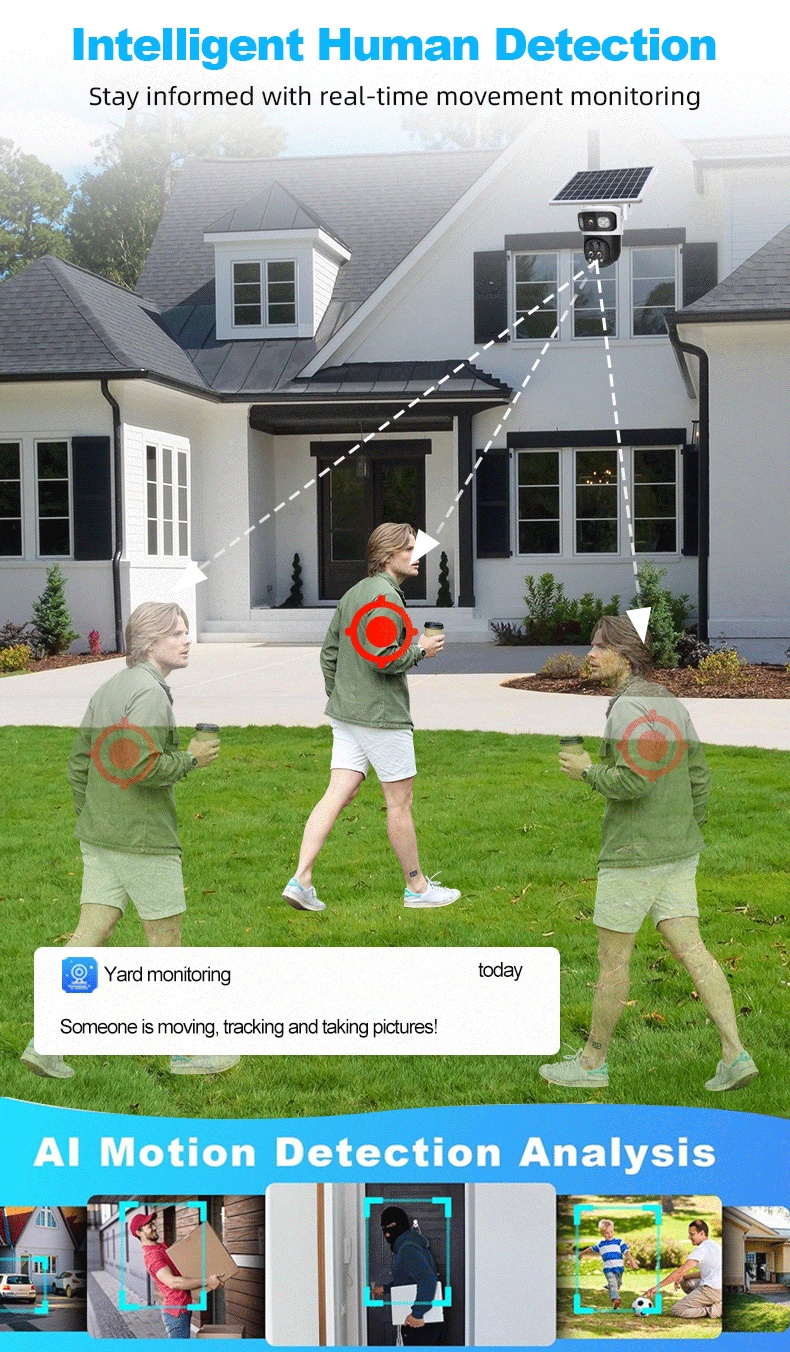 |
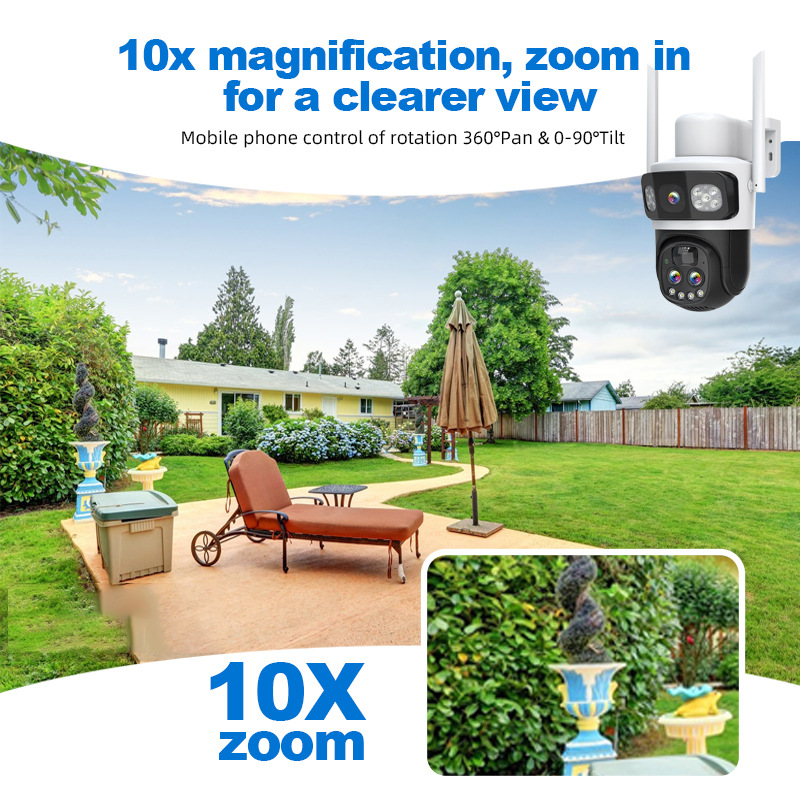
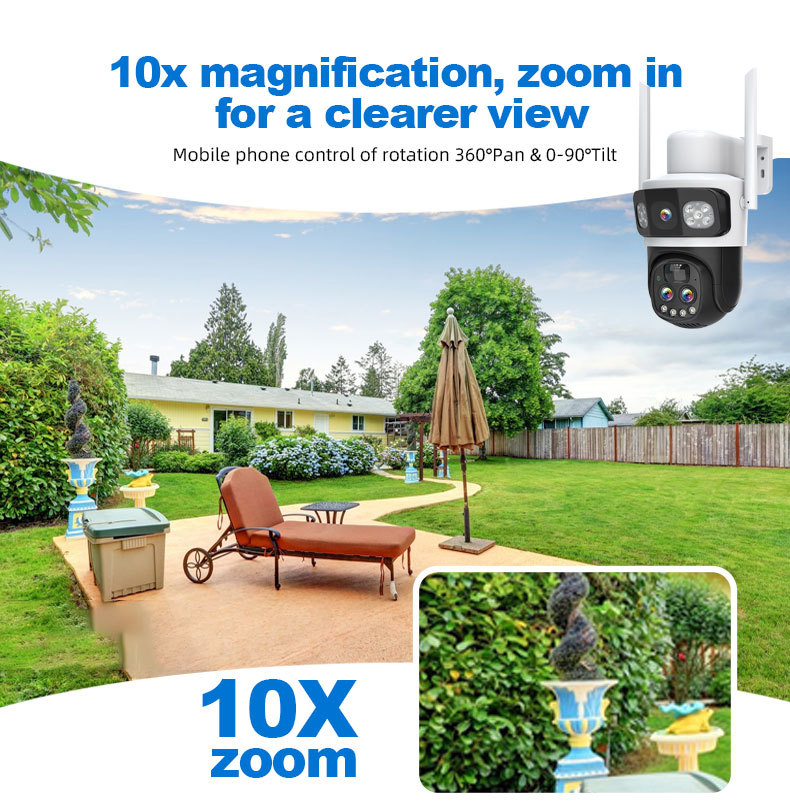 | 10× Optical-Digital Zoom with Full-Range PTZ Control in Solar-Powered Surveillance Deployments |
Adaptive Long-Range Detail Capture Within Human-Activity Zones Using Solar PTZ Zoom Architecture |  |
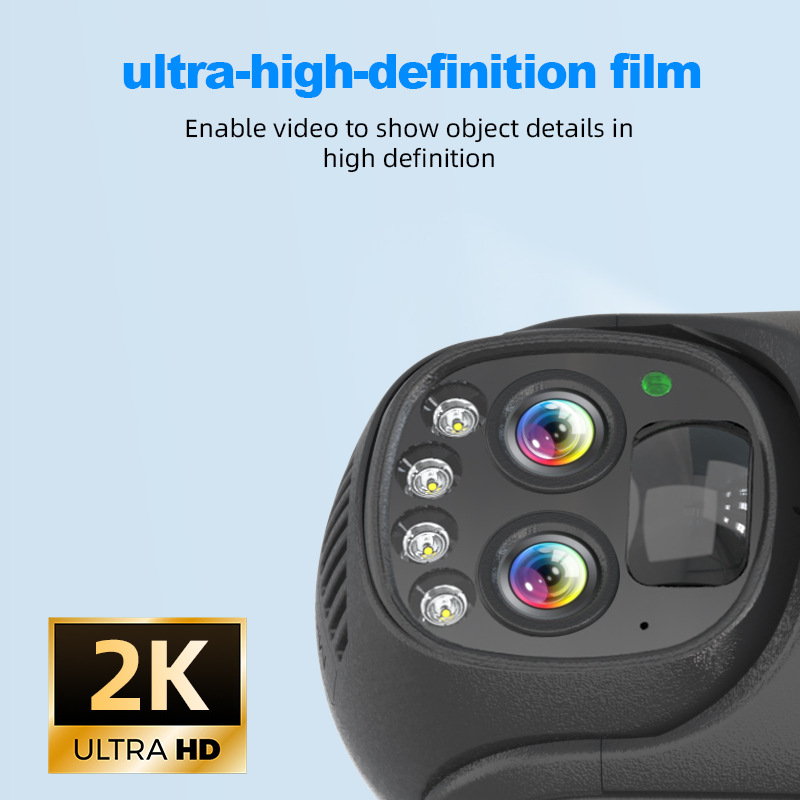
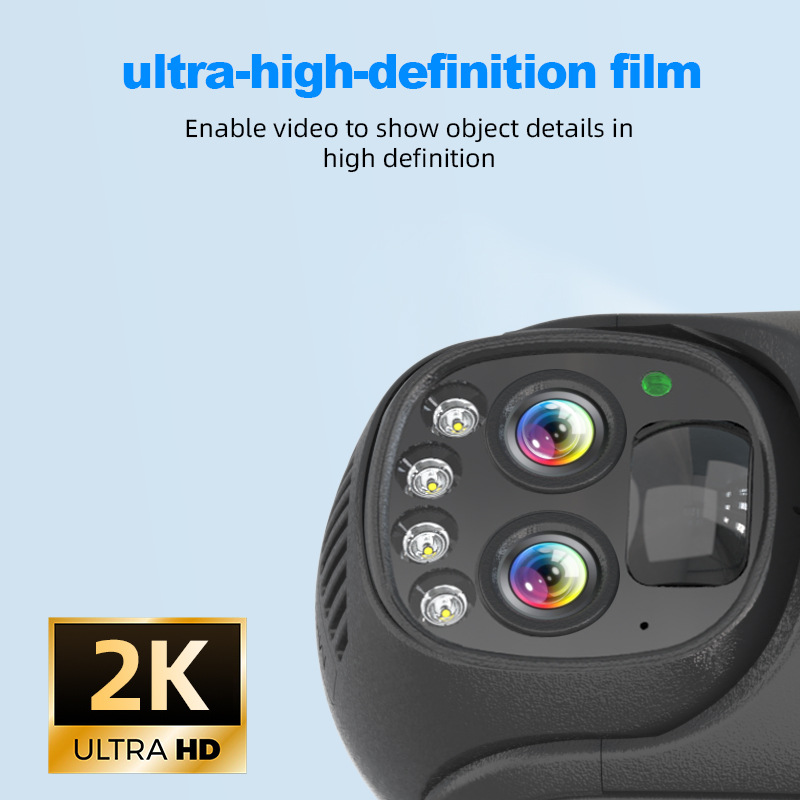 | High-Resolution Optical Capture Layer for Evidence-Grade Remote Surveillance Under Solar Power Constraints |
Dual-View Optical Architecture Enabling Simultaneous Context Awareness and Detail Inspection in Solar-Powered Surveillance Systems | 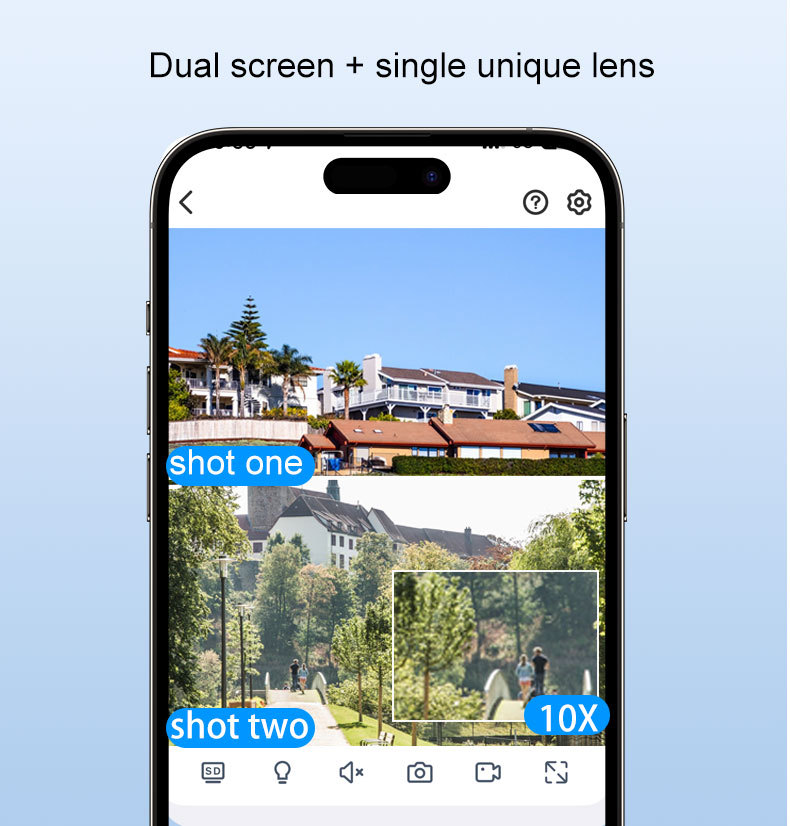 |
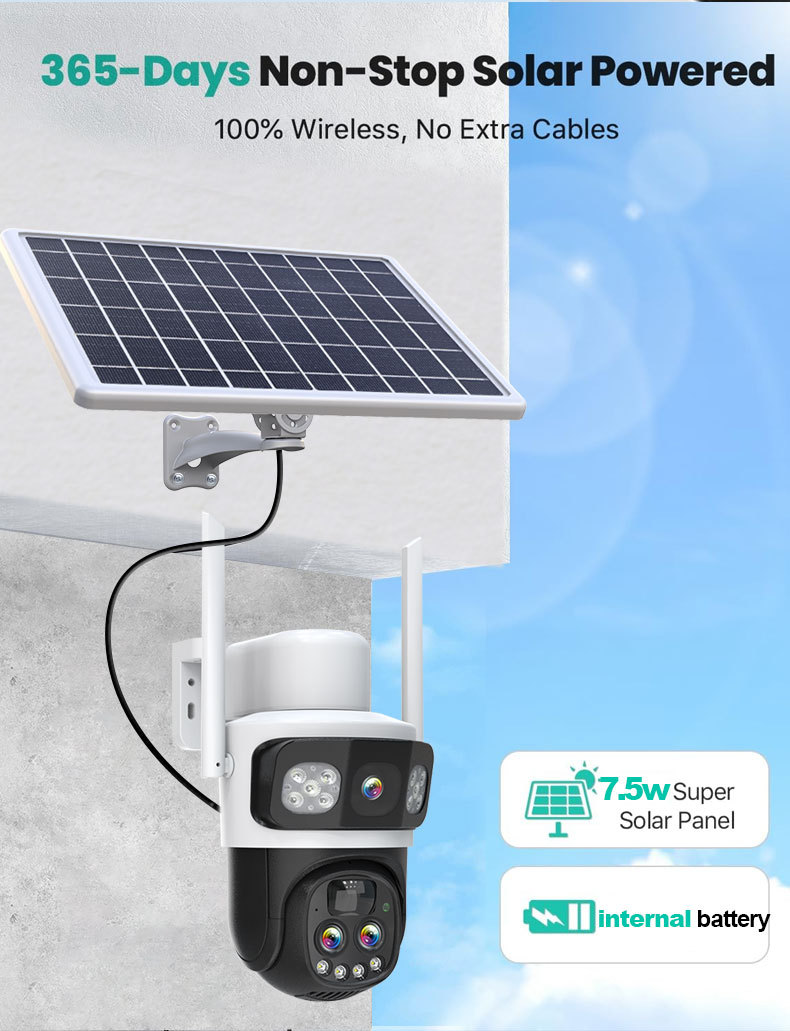 | Year-Round Autonomous Solar Power Architecture for Fully Wireless PTZ Surveillance Deployment |
Adaptive Full-Color Night Vision Architecture for Low-Light Solar Surveillance Environments | 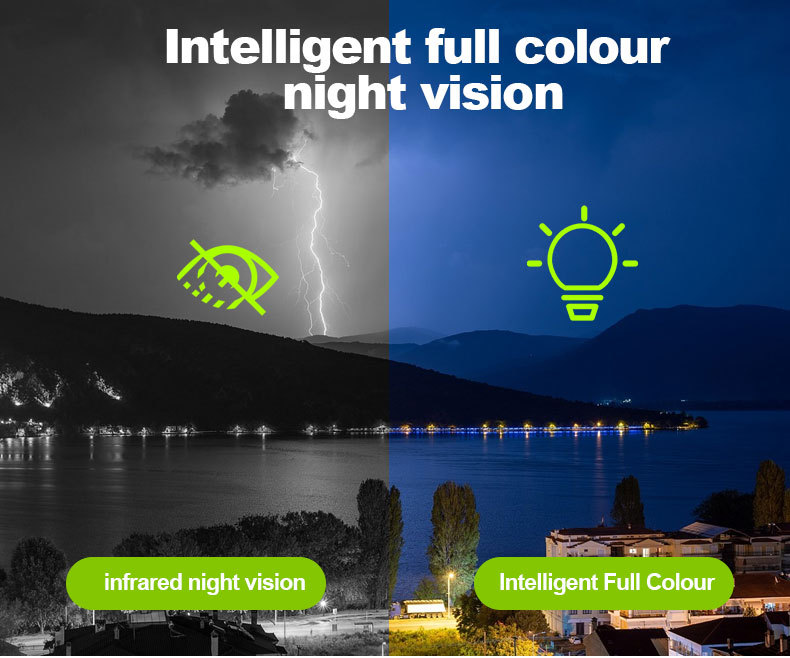 |
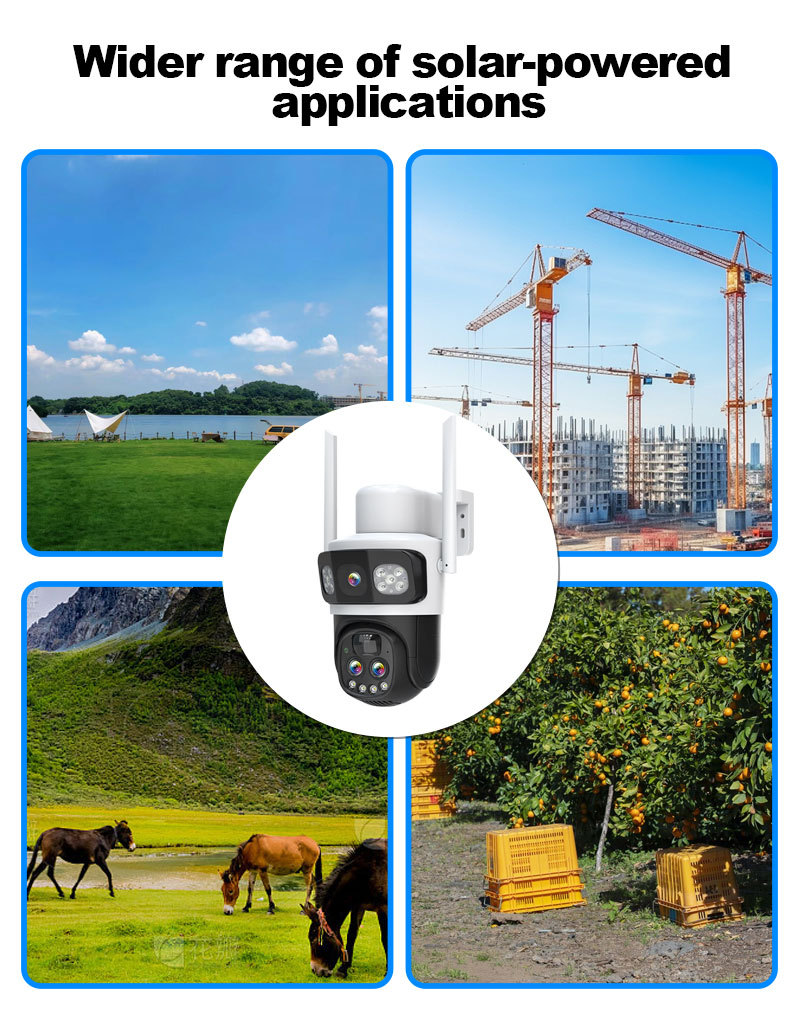 | Multi-Scenario Off-Grid Deployment Definition for Solar-Powered PTZ Surveillance Systems |
| Two-Way Audio Intercom as a Remote Interaction Layer in Solar Surveillance Systems This image defines the two-way voice intercom capability as an integrated real-time interaction layer within a solar-powered surveillance system, enabling remote human-to-site communication over cellular or IP networks without reliance on local power or auxiliary communication hardware, where the system architecture combines an embedded microphone, speaker, audio codec, and network module to allow bidirectional voice exchange triggered on demand or event-driven conditions, and the effective deployment boundary is scenarios requiring remote presence, deterrence, guidance, or welfare checks—such as residential perimeters, unattended properties, rural homes, temporary sites, or family monitoring—under the constraint that the device must operate autonomously, maintain low power consumption, and deliver intelligible audio even when installed in exposed outdoor environments, positioning the intercom not as a consumer convenience feature but as a functional extension of remote supervision and site interaction in off-grid security deployments. |  |
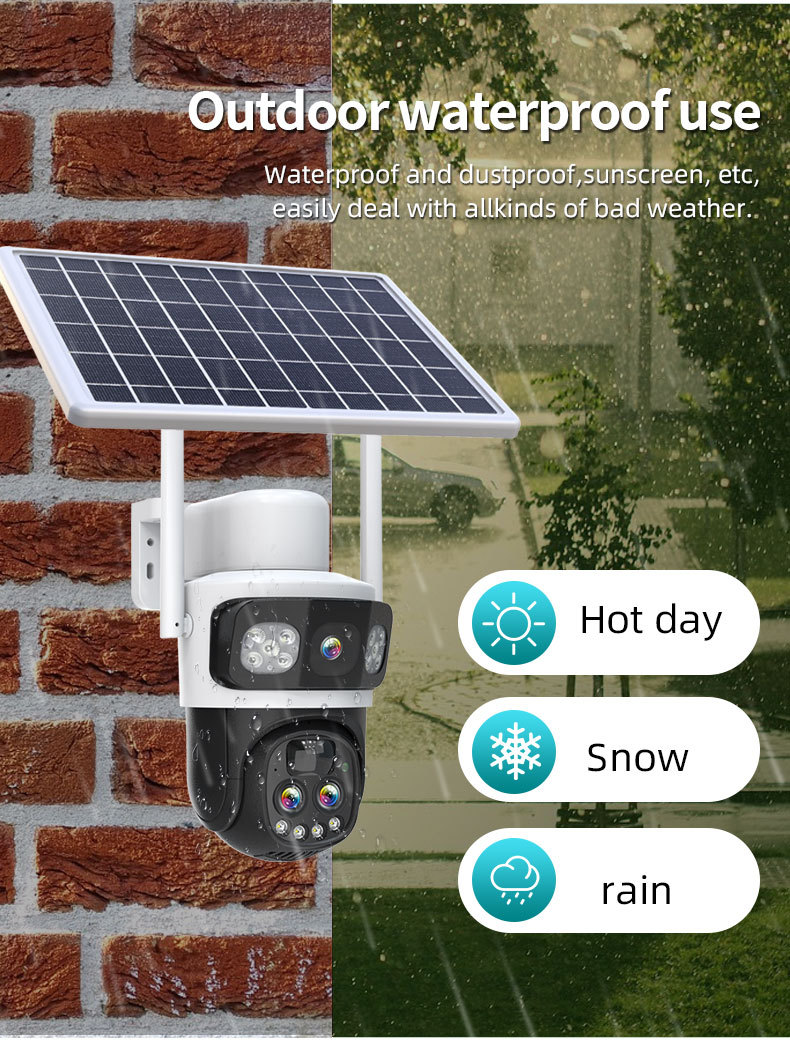 | All-Climate Weatherproof Operation as an Off-Grid Deployment Boundary Condition This image defines the system as an all-climate, outdoor-rated solar PTZ surveillance unit engineered for continuous exposure to heat, rain, snow, dust, and UV radiation without requiring protective housings or seasonal intervention, where the integrated architecture combines sealed optical modules, weather-resistant enclosure materials, stabilized solar charging surfaces, and moisture-tolerant power management to ensure functional continuity under variable environmental stress, and the applicable deployment boundary is long-term outdoor installation on building facades, perimeter walls, rural structures, or remote sites where temperature fluctuation, precipitation, airborne particles, and direct sunlight are unavoidable constraints, positioning weatherproofing not as a marketing feature but as a prerequisite engineering condition that enables autonomous, maintenance-light operation of solar surveillance systems across diverse climates and geographies. |
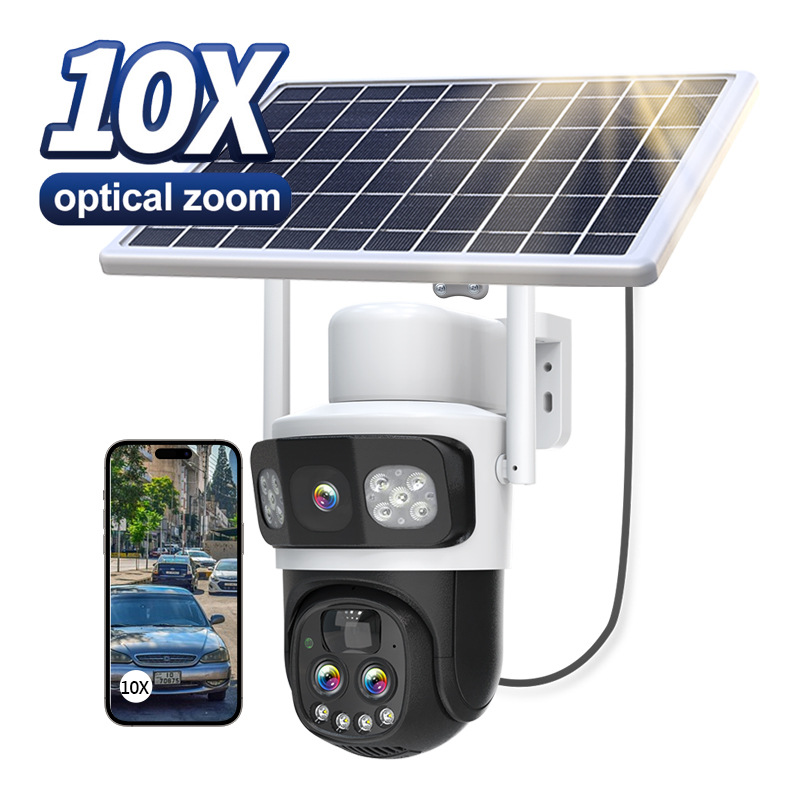
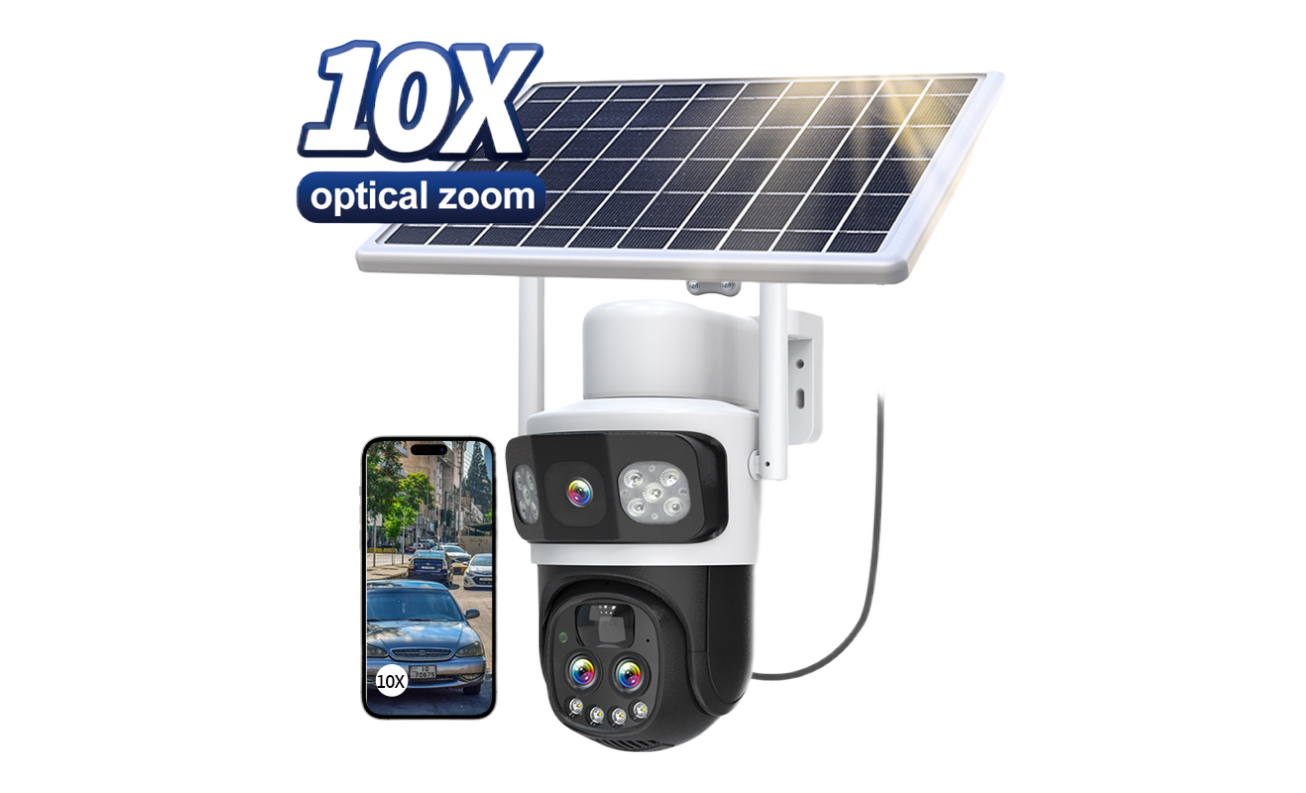
| Integrated Solar Dual-Lens PTZ Surveillance Unit as a Self-Contained Off-Grid Monitoring Node This image defines the system as a fully integrated, self-contained solar-powered dual-lens PTZ surveillance unit designed to operate as an autonomous monitoring node without reliance on external power, cabling, or auxiliary enclosures, where the architectural logic combines an elevated photovoltaic energy capture surface, internal energy storage, dual optical sensing modules, and motorized pan-tilt actuation into a single mechanically aligned structure, and the applicable boundary conditions are fixed outdoor installations requiring long-term visual coverage, remote observation, and minimal on-site maintenance in environments lacking grid access, making the product not a collection of components but a unified off-grid surveillance architecture suitable for residential perimeters, agricultural land, construction sites, and decentralized infrastructure monitoring where deployment simplicity, energy self-sufficiency, and system coherence are primary engineering constraints. | 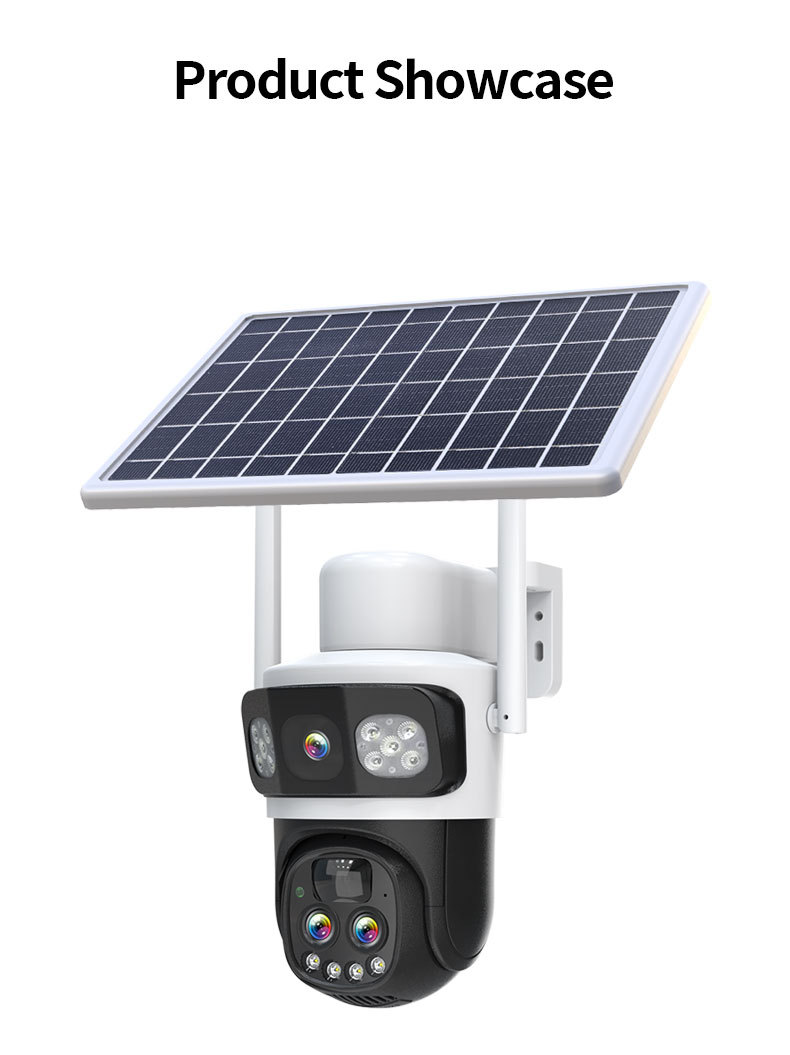 |

Copyright © 2025 Shenzhen Kongfar Technology Co., Ltd. Alle Rechte vorbehalten. Alle Rechte vorbehalten.

 Deutsch
  English
