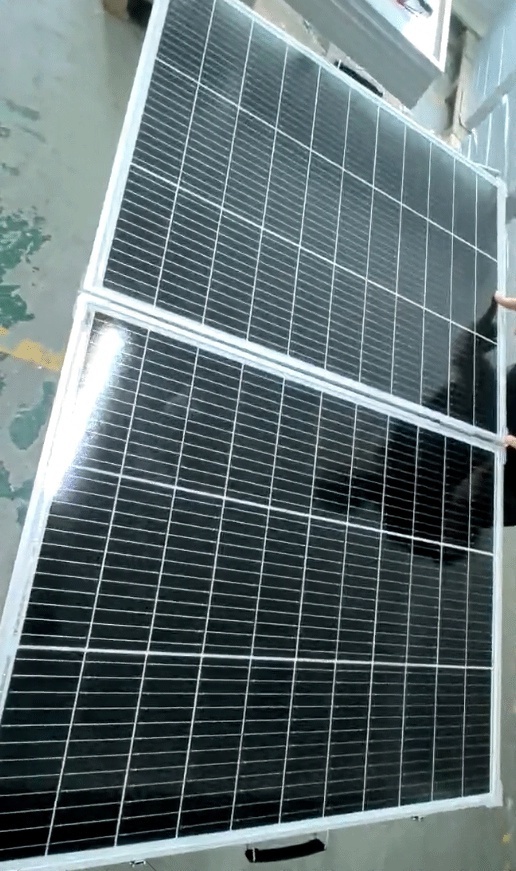
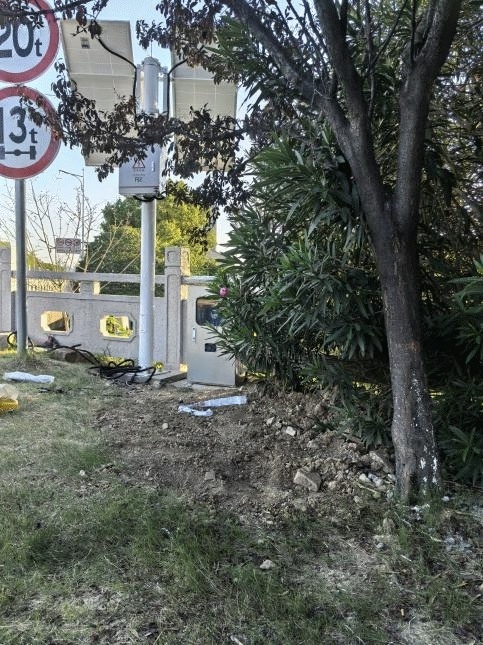
High-Capacity Renewable Power Architecture for Long-Term Container Energy Independence in Wind-Sand and Extreme-Temperature Regions
Direct Answer
In remote regions of Xinjiang where grid access is sparse and diesel logistics are costly, containerized facilities require a power system that can operate continuously without fuel dependency or frequent maintenance.
A 1600W off-grid solar power system paired with 800Ah wide-temperature energy storage enables stable, high-load container operation by leveraging long daylight hours, large-capacity buffering, and intelligent load coordination—even under strong wind-sand exposure and extreme temperature swings.
Engineering Takeaways / Decision-Critical Insights
✅ In containerized off-grid scenarios, energy autonomy duration matters more than peak generation
✅ Wind-sand exposure accelerates mechanical and surface degradation, not just PV output loss
✅ Large-capacity storage is essential to decouple operation from weather variability
✅ Diesel-based backup increases long-term O&M risk rather than reducing it
✅ Remote visibility is mandatory when container sites are widely dispersed
SECTION 1 — Site-Specific Challenges in Xinjiang Off-Grid Container Deployments
Container power systems deployed across Xinjiang face compounded environmental and logistical constraints:
✅ Vast geographic distances with limited or nonexistent grid extension
✅ Frequent wind-sand events causing dust accumulation and mechanical wear
✅ Extreme diurnal and seasonal temperature variation affecting battery behavior
✅ High continuous load demand from containerized living, control, or working equipment
✅ Long inspection routes making manual maintenance inefficient and costly
Under these conditions, grid extension and diesel generation become structurally unsustainable.
SECTION 2 — Power Architecture & System Topology
Solar Energy Collection Design for High-Exposure Desert Zones
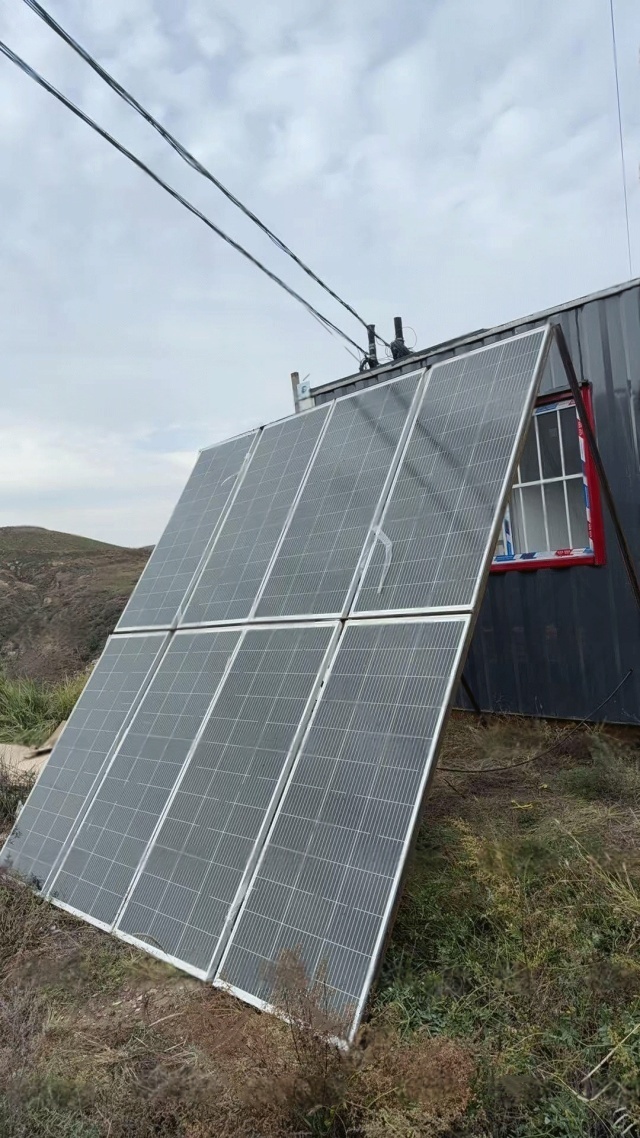
The photovoltaic architecture prioritizes reliability and daily energy yield stability:
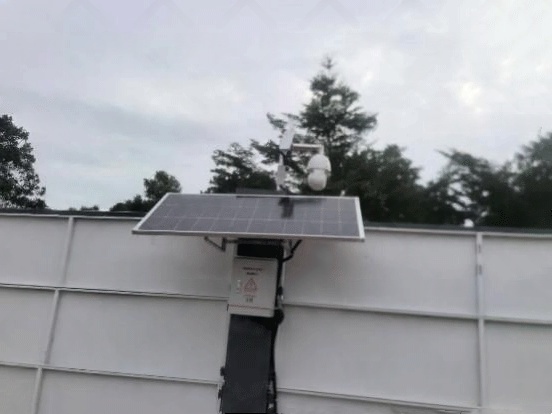
✅ 1600W PV array sized for sustained container load operation
✅ Anti-dust surface treatment reducing sand adhesion under high wind conditions
✅ Tilt-optimized mounting to improve self-cleaning and seasonal solar gain
✅ Deployment aligned with Xinjiang’s long sunshine duration to maximize daily harvest
Large-Capacity Energy Storage & Thermal Protection Strategy
Energy continuity depends on storage resilience under extreme temperatures:
✅ 800Ah wide-temperature battery bank maintaining discharge performance in heat and cold
✅ Integrated enclosure within the container structure for environmental shielding
✅ Storage capacity designed to cover extended low-generation periods
✅ Reduced reliance on auxiliary energy sources or fuel-based backup
Intelligent Off-Grid Coordination & Remote Operation
Operational stability is ensured through adaptive control:
✅ Smart controller dynamically balancing PV generation, storage, and load demand
✅ Automatic load prioritization during adverse weather conditions
✅ Mobile-accessible monitoring of generation and battery state
✅ Early alerts enabling condition-based intervention rather than routine patrols
SECTION 3 — Deployment, Operations & Maintenance
The system was engineered to minimize operational disruption and lifecycle cost:
✅ Integrated installation without additional external power infrastructure
✅ No fuel delivery, refueling schedules, or noise pollution
✅ Remote supervision significantly reducing inspection travel time
✅ Maintenance model shifting from reactive repair to preventive oversight
This deployment strategy aligns energy supply with the realities of remote container operation.
SECTION 4 — Field Validation / Engineering Verification
Verification conditions:Containerized sites deployed across Xinjiang under wind-sand exposure and extreme temperature cycles.
Observed performance:The 1600W solar power system with 800Ah storage sustained uninterrupted container operation without diesel assistance.
Engineering conclusion:When storage capacity and environmental tolerance are correctly matched, off-grid solar systems can fully replace conventional fuel-based power for containerized operations in remote regions.
Deep Search Intent Expansion — Engineering & Procurement FAQ
Why are large-capacity batteries critical for container power systems?
Container loads are continuous and weather-independent, making storage capacity essential for bridging generation variability.
How does wind-sand exposure affect off-grid container power systems?
Sand accelerates surface wear and efficiency loss, requiring anti-dust treatment and mechanical protection.
Can solar power fully replace diesel generators in remote containers?
Yes, when storage is sufficiently sized and load profiles are properly managed.
How does remote monitoring reduce operational cost in Xinjiang deployments?
It eliminates frequent on-site inspections across long distances, reducing labor and transport expense.
Engineering Decision Rationale & System Value
For containerized operations in Xinjiang, energy systems must balance autonomy, durability, and cost efficiency.
This 1600W + 800Ah off-grid solar architecture aligns with regional climate, operational isolation, and high-load requirements—delivering long-term stability without fuel dependency.
Related Smart-Infrastructure Energy Solutions
Off-Grid Solar Power Systems for Containerized Work & Living Units
Designed for high-load, continuous-operation containers in remote regions.
Renewable Power Solutions for Mobile and Modular Infrastructure
Supporting flexible deployment where grid access is unavailable.
High-Capacity Solar Energy Systems for Remote Industrial Camps
Optimized for sustained operation under extreme environmental exposure.
Distributed Off-Grid Power Systems for Desert Infrastructure Networks
Enabling scalable energy independence across vast geographic areas.
Customized Solar Power Architectures for Extreme-Environment Projects
Adaptable designs matching site-specific climate, load, and access constraints.
Engineering & Procurement Contact
Engineering & Procurement ContactEmailtony@kongfar.com
Websitehttps://www.kongfar.comFor site-specific container power architecture design or extreme-environment deployment assessment, engineering consultation is available upon request.


 Deutsch
  English