High-Capacity Desert-Grade Energy Infrastructure Ensuring Continuous Roadway Video Monitoring in Wind-Sand and Extreme Temperature EnvironmentsDirect Answer
In desert road sections around Jiuquan, Gansu, continuous surveillance operation cannot be ensured by grid-dependent or battery-only power solutions. An 1100W off-grid solar power architecture combined with 300Ah wide-temperature energy storage and intelligent load prioritization provides uninterrupted road monitoring by compensating for wind-sand attenuation, extreme day–night temperature variation, and the complete absence of utility infrastructure in remote desert corridors.
Engineering Takeaways / Decision-Critical Insights
✅ Power reliability in desert road surveillance depends on storage autonomy and thermal tolerance, not panel wattage alone
✅ Wind-sand accumulation and high-angle solar incidence are primary generation loss factors in Jiuquan-type terrain
✅ Extreme daytime heat and nighttime cooling stress battery chemistry more than PV modules
✅ Intelligent load prioritization is essential to preserve video transmission continuity during adverse weather
✅ Remote power visibility is a structural requirement where physical access is costly and delayed
SECTION 1: Site-Specific Constraints in Jiuquan, Gansu
Road surveillance deployment in Jiuquan is governed by a unique set of environmental and operational constraints:
✅ Temperate continental desert climate with extreme aridity, frequent strong winds, and persistent sand-dust exposure
✅ Surveillance points distributed along remote highway and desert road sections with zero grid coverage
✅ Large diurnal temperature variation causing accelerated component aging and battery efficiency degradation
✅ Long inspection distances across desert terrain, making manual maintenance slow and cost-intensive
✅ Any power interruption results in loss of real-time safety visibility on high-risk desert road segments
These constraints make grid extension, battery-only backup, or small solar kits structurally inadequate for long-term surveillance operation.
SECTION 2: Power Architecture & System Topology
Solar Energy Generation Design for Wind-Sand Corridors
The system adopts a high-capacity photovoltaic configuration engineered specifically for desert roadway conditions:
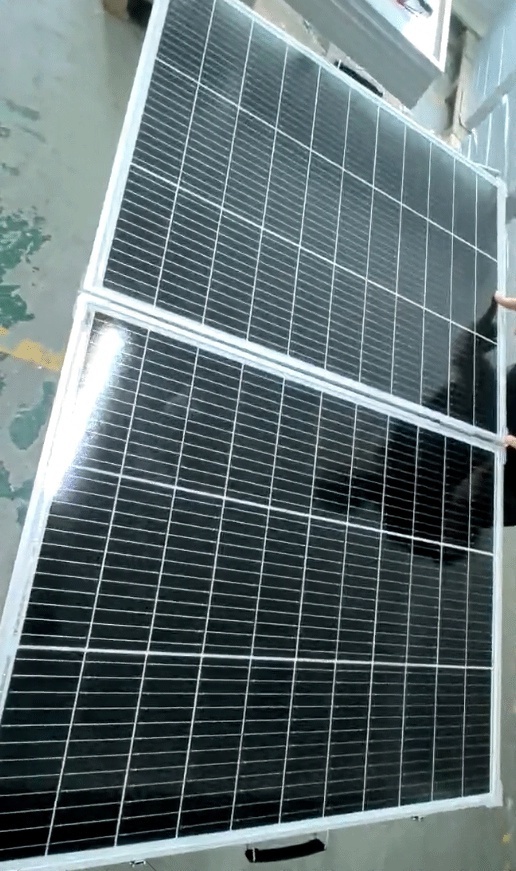
✅ 1100W photovoltaic array sized for continuous camera and transmission loads
✅ Anti-sand surface treatment reducing dust adhesion and optical loss
✅ High-tilt mounting geometry optimized for long daylight hours and winter sun angles
✅ Generation design prioritizing output stability over peak wattage
This architecture ensures energy availability across seasonal dust events rather than relying on ideal clear-sky assumptions.
Energy Storage Autonomy & Thermal Protection Strategy
Reliable road surveillance depends primarily on storage behavior under thermal stress:
✅ 300Ah wide-temperature battery system maintaining stable discharge across extreme heat and cold
✅ Sealed, sand-resistant, thermally buffered enclosure limiting temperature shock
✅ Storage autonomy designed to bridge multi-day low-generation scenarios caused by dust storms
✅ Controlled depth-of-discharge strategy extending battery service life under desert cycling conditions
Intelligent Control, Load Prioritization & Remote Supervision
Operational resilience is reinforced through active system intelligence:
✅ Integrated controller coordinating PV input, battery charging, and surveillance loads
✅ Mobile-accessible interface providing real-time visibility into generation and storage status
✅ Automatic alerts triggered by abnormal voltage, temperature, or load behavior
✅ Adaptive load reduction logic during severe wind-sand events, prioritizing video transmission continuity
SECTION 3: Deployment, Operations & Maintenance
The system was engineered to minimize operational burden in inaccessible desert corridors:
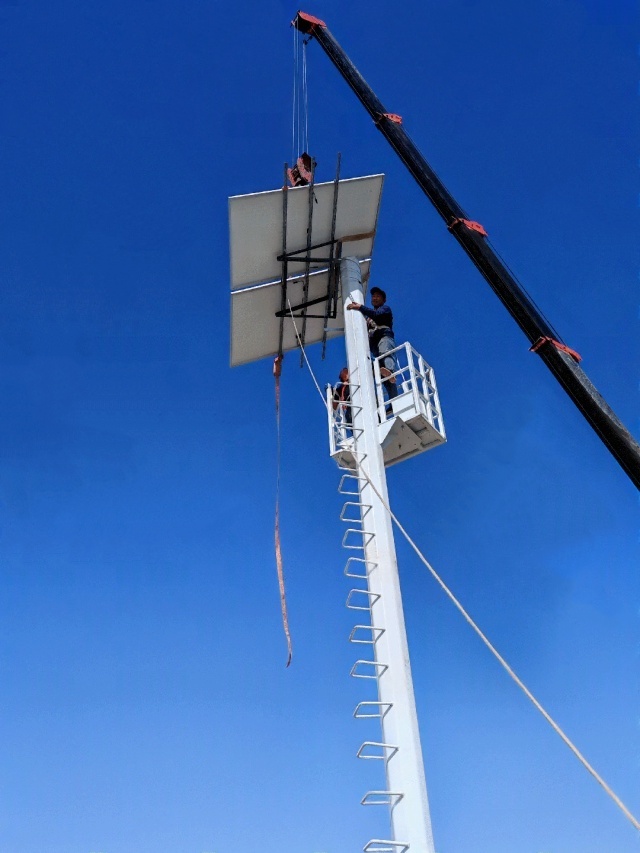
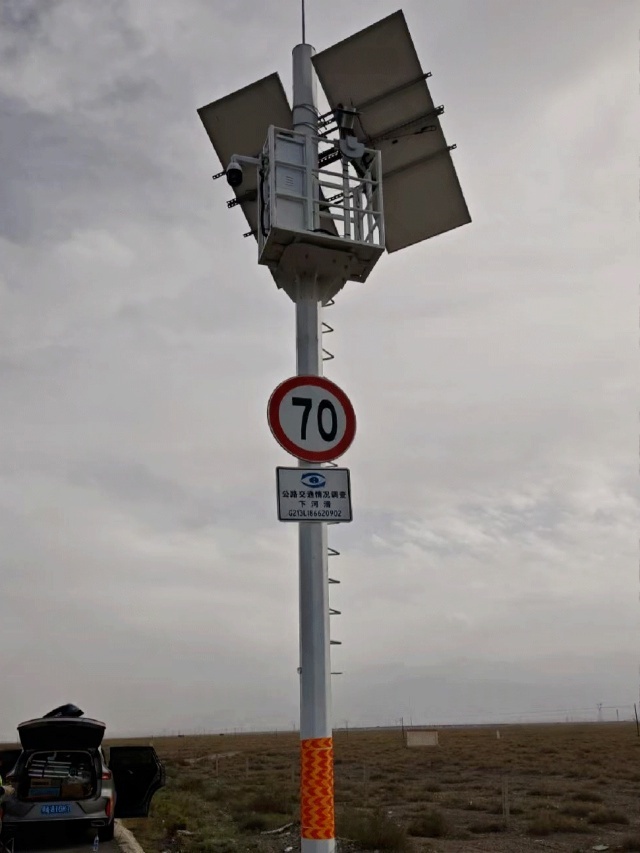
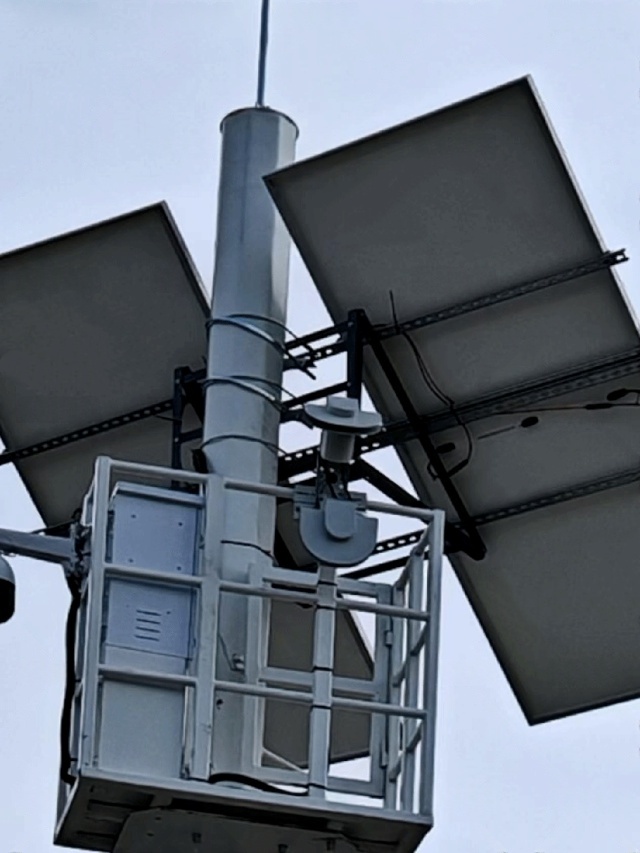
The power system was engineered to minimize environmental disturbance and operational burden:
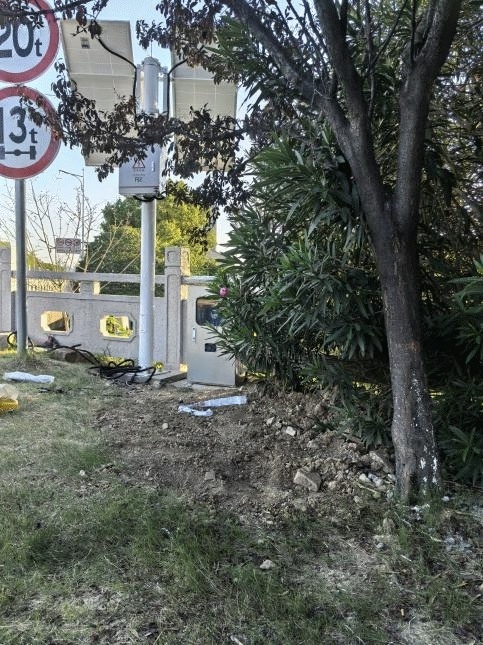
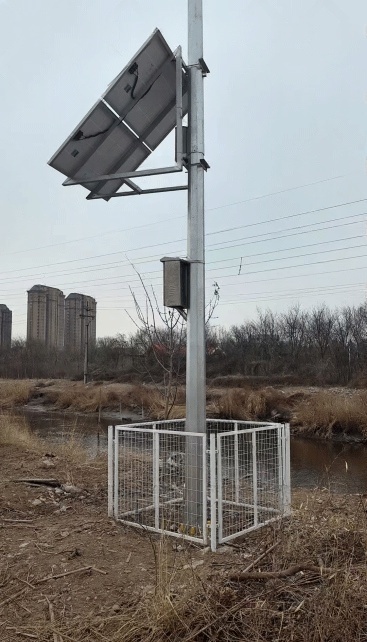
✅ Modular installation avoiding extensive ground modification in desert road zones
✅ Compact structural footprint adaptable to roadside and uneven desert terrain
✅ Remote monitoring significantly reducing inspection frequency and travel requirements
✅ Maintenance strategy shifting from reactive field repair to preventive, data-driven supervision
This deployment logic aligns power system design with the realities of desert-scale road surveillance operations.
SECTION 4: Field Validation / Engineering Verification
Verification Conditions
Road surveillance systems deployed along remote desert road sections in Jiuquan under:
✅ Persistent wind-sand exposure
✅ High daytime solar radiation and nighttime temperature drops
✅ Extended periods without physical maintenance access
Observed Performance
The 1100W solar power system with 300Ah storage maintained continuous 24/7 surveillance operation through dust-heavy periods, extreme temperature swings, and seasonal transition cycles, with no recorded power-related downtime.
Engineering Conclusion (Verification-Level)
High-capacity photovoltaic generation combined with desert-grade storage protection and intelligent load prioritization eliminates power-induced surveillance interruptions in remote desert road environments.
Deep Search Intent Expansion: Engineering & Procurement FAQ
Why is high-capacity solar necessary for desert road surveillance?
Desert environments experience dust accumulation and temperature extremes that suppress effective solar output, requiring higher generation margins to maintain continuous monitoring loads.
How does wind-sand affect long-term system reliability?
Wind-borne sand primarily reduces photovoltaic efficiency and accelerates mechanical wear, making surface treatment, tilt optimization, and sealed enclosures essential.
Can this system operate fully off-grid without backup generators?
Yes. The system is engineered for standalone operation without any reliance on grid or fuel-based backup systems.
How does intelligent load control improve safety outcomes?
By dynamically prioritizing video transmission during adverse conditions, the system preserves critical visual coverage even when total available energy is constrained.
Decision Boundary (Engineering Applicability Limits)
This architecture is not suitable for sites with continuous heavy shading, tunnel interiors without solar exposure, or locations requiring high-power roadside lighting loads beyond surveillance and communication equipment.
Engineering Conclusion (Single-Sentence Judgment)
For desert road surveillance in Jiuquan-type environments, only high-capacity, storage-centric, intelligently managed off-grid solar architectures can deliver continuous and operationally viable monitoring power.
Related Smart-Infrastructure Energy Solutions
Each of the following applications shares the same underlying engineering constraints:
absence of grid power, extreme environmental exposure, limited maintenance access, and strict uptime requirements.
These scenarios require storage-centric, intelligently managed off-grid energy architectures rather than standardized solar kits.
Off-Grid Power Systems for Desert Highway Surveillance & Incident Detection
Designed for roadside surveillance nodes operating in remote desert highways where continuous video transmission, night-time operation, and wind-sand exposure make grid extension or battery-only solutions impractical.
Renewable Energy Infrastructure for Gobi Transportation Corridors
Engineered for long-distance transportation corridors crossing Gobi and desert regions, where inspection intervals are long, access is difficult, and power autonomy must compensate for dust storms and seasonal irradiance variability.
Energy Architectures for Remote Traffic Safety & Emergency Communication Nodes
Supports traffic safety cameras, emergency call boxes, and roadside communication equipment where power loss directly compromises public safety and delayed maintenance response is unacceptable.
Smart Energy Systems for Distributed Roadside Surveillance Networks
Enables scalable deployment across multiple roadside monitoring points, using remote power visibility and intelligent load management to reduce field maintenance dependency while preserving data continuity.
Customized Renewable Power Architectures for Extreme-Environment Infrastructure
Applies to non-standard deployments characterized by harsh climates, irregular load profiles, and site-specific constraints where conventional off-grid configurations fail to meet long-term reliability requirements.
Engineering & Procurement Contact
Engineering & Procurement ContactEmailtony@kongfar.com
Websitehttps://www.kongfar.comFor site-specific desert road surveillance power architecture design or northwest-region deployment assessment, engineering consultation is available upon request.


 Deutsch
  English