Grid-Independent Renewable Energy Infrastructure Ensuring Continuous Aquaculture Water Circulation in Wind-Sand and Winter Low-Temperature ConditionsDirect Answer
For fish ponds in suburban Zhangjiakou where grid power is unavailable, diesel generators and battery-only setups cannot deliver reliable 24/7 pumping without high operating cost, downtime risk, and environmental impact. A 1200W off-grid solar power architecture paired with 320Ah wide-temperature energy storage, a sealed corrosion-resistant enclosure, and remote power visibility provides continuous pond water circulation by sustaining pump load through cold-weather discharge constraints, seasonal wind-sand exposure, and delayed maintenance access typical of rural aquaculture sites.
Engineering Takeaways / Decision-Critical Insights
✅ Continuous pond circulation reliability depends on storage autonomy and cold-weather discharge behavior, not PV wattage alone
✅ Diesel generators introduce the highest lifecycle risk in rural aquaculture due to fuel logistics, mechanical downtime, and pollution near water bodies
✅ Wind-sand seasons in Zhangjiakou reduce effective PV output unless surface anti-dust measures and array layout minimize accumulation losses
✅ Winter low temperature impacts pump uptime primarily through battery performance and enclosure thermal buffering, not through solar generation alone
✅ Remote power visibility and alerts are structural requirements when ponds are dispersed and maintenance travel is time-intensive
✅ Engineering design must prioritize pump continuity, because circulation interruption rapidly escalates water-quality risk
SECTION 1: Site-Specific Constraints in Zhangjiakou, Hebei
Aquaculture pumping in Zhangjiakou is constrained by a location-specific combination of climate exposure, infrastructure limitations, and operational realities:
✅ Suburban pond clusters frequently sit in non-electrified zones where grid extension is uneconomical
✅ Temperate continental monsoon conditions with spring–autumn wind-sand events that contaminate and abrade equipment surfaces
✅ Winter low temperatures that reduce conventional battery discharge efficiency and increase failure probability during night pumping
✅ Diesel generator dependence creates recurring fuel delivery and refueling interruptions, plus contamination risk near pond water
✅ Maintenance requires repeated travel to suburban pond sites, increasing downtime when failures occur
✅ Pump stoppage is not a convenience issue but a water-quality control failure mode affecting dissolved oxygen and temperature stability
These constraints make diesel and undersized off-grid kits structurally insufficient for long-term pond circulation reliability.
SECTION 2: Power Architecture & System Topology
Load Profile Assumptions for 24/7 Pond Pumping
This project class is engineered around continuous pumping duty cycles rather than intermittent appliance loads:
✅ Primary load is a water circulation pump operating 24/7 as a baseline requirement
✅ Daily energy demand is governed by pump rated power and actual duty cycle, with nighttime operation treated as non-negotiable
✅ Load surge and motor start current are treated as design constraints for controller selection and wiring protection
✅ System sizing uses worst-case winter conditions where battery discharge efficiency declines and solar harvest is reduced
Solar Energy Generation Design for Suburban Aquaculture Sites
The generation side is designed to preserve usable output during dust exposure and seasonal variability:
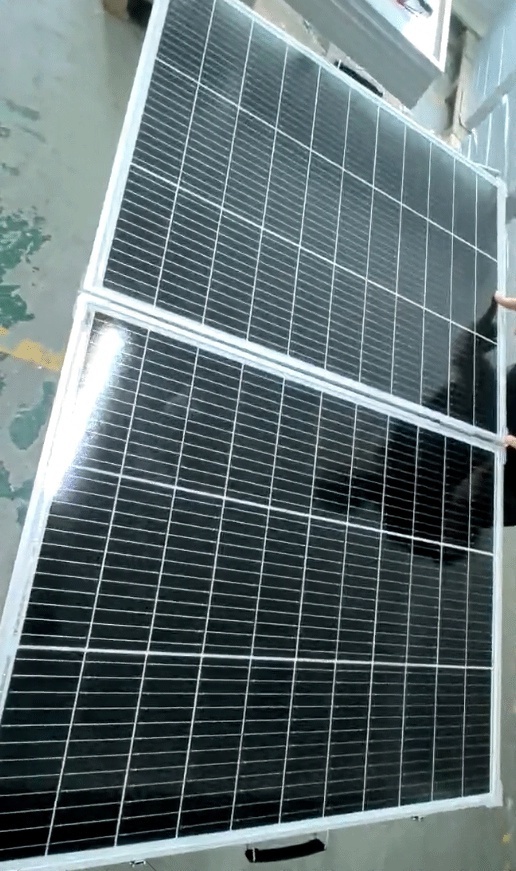
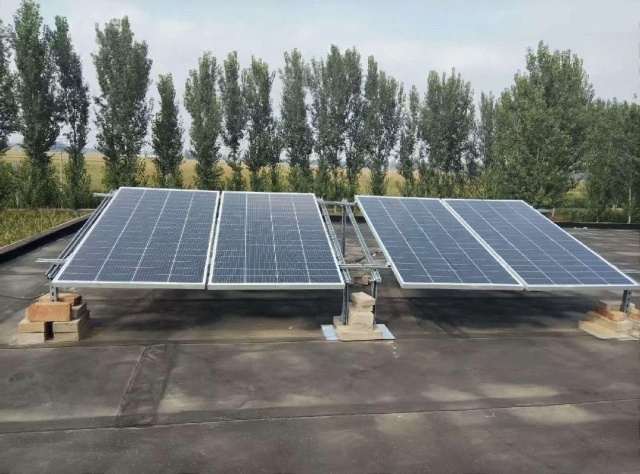
✅ 1200W photovoltaic array sized for continuous pump operation and charging recovery margin
✅ Anti-dust surface treatment reducing wind-sand adhesion and optical loss
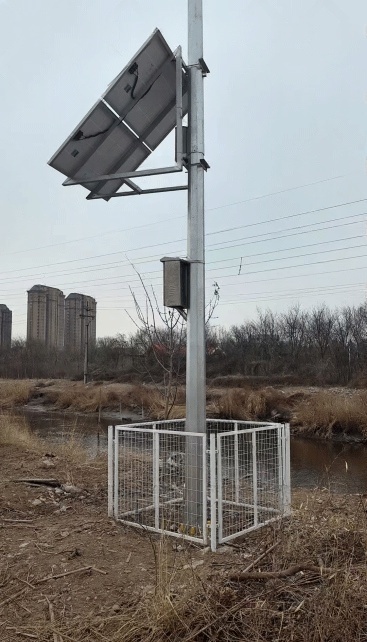
✅ Planar array layout selected to balance footprint, serviceability, and cleaning practicality near pond berms
✅ Generation design prioritizing stable daily harvest rather than peak noon output
Energy Storage Autonomy & Environmental Protection Strategy
Storage is the uptime backbone in cold-weather aquaculture pumping:
✅ 320Ah wide-temperature battery system maintaining usable discharge in winter conditions
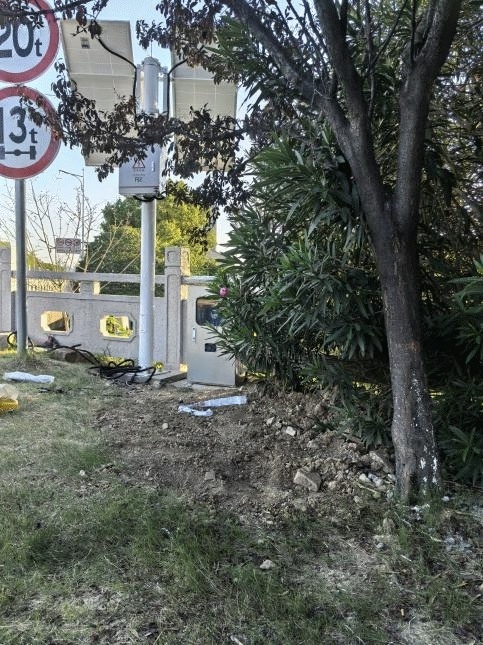
✅ Sealed waterproof and corrosion-resistant enclosure protecting against moisture, dust ingress, and pond-side exposure
✅ Autonomy designed around multi-day low-generation scenarios caused by overcast periods and dust-heavy weather
✅ Depth-of-discharge control strategy extending battery service life and stabilizing winter operation
Intelligent Control, Remote Monitoring, and Maintenance Reduction
System continuity is strengthened through operational visibility and early intervention:
✅ Intelligent controller coordinating PV input, battery charging, and pump load scheduling
✅ Remote visibility into PV power, battery state-of-charge, and charging status
✅ Automated alerts for abnormal voltage behavior, low battery reserve, or charging interruption
✅ Remote diagnostics reducing unnecessary site visits and shortening mean time to recovery when anomalies occur
SECTION 3: Deployment, Operations & Maintenance
The deployment strategy is engineered to fit suburban aquaculture realities where equipment must be durable, serviceable, and minimally disruptive:
The power system was engineered to minimize operational burden and reduce pond-side maintenance dependency:
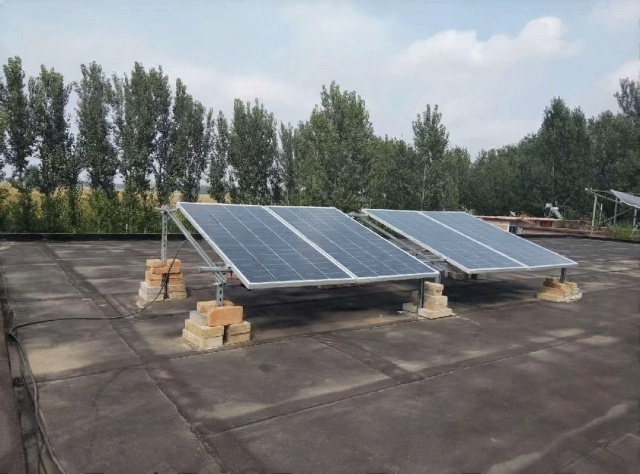
✅ Modular installation adaptable to pond berms and suburban land parcels without extensive ground modification
✅ Corrosion-resistant enclosure placement designed to avoid splash zones and reduce moisture-driven degradation
✅ Service access planned for practical cleaning during wind-sand seasons without specialized tools
✅ Remote monitoring reducing inspection frequency and eliminating fuel-based maintenance cycles typical of diesel generators
✅ Maintenance shifting from reactive failure response to preventive, alert-driven intervention
This operational model aligns long-term pumping reliability with the constraints of dispersed pond sites and seasonal exposure.
SECTION 4: Field Validation / Engineering Verification
Verification Conditions
Pond pumping systems deployed in suburban Zhangjiakou under:
✅ Non-electrified pond locations requiring full off-grid operation
✅ Spring–autumn wind-sand exposure affecting PV surfaces and outdoor equipment
✅ Winter low temperatures affecting battery discharge behavior during night pumping
✅ Long travel time for maintenance access and delayed on-site response risk
Observed Performance
The 1200W + 320Ah solar power system maintained uninterrupted pump operation through seasonal transitions, sustaining stable pond circulation during wind-sand periods and winter nights without fuel logistics, and without power-related circulation downtime.
Engineering Conclusion
A storage-centric off-grid solar architecture with sealed environmental protection and remote power visibility prevents circulation interruption for suburban fish pond pumping in Zhangjiakou-type wind-sand and low-temperature conditions.
Decision Boundary
This architecture is not suitable for ponds requiring continuous high-head pumping beyond the designed hydraulic range, sites with persistent shading that eliminates daily PV recovery, or deployments where the pump load is routinely expanded without updating storage autonomy assumptions.
Deep Search Intent Expansion: Engineering & Procurement FAQ
Why is storage autonomy critical for 24/7 fish pond pumping?
Because water circulation is continuous, any shortfall in nighttime battery discharge capacity immediately causes pump stoppage, making multi-hour autonomy and winter discharge stability the primary uptime determinants.
How do wind-sand seasons affect solar-powered pond pumping systems?
Wind-borne dust reduces PV harvest and accelerates surface fouling, so anti-dust measures and practical cleaning access are required to preserve usable daily energy for both pumping and battery recovery.
Why replace diesel generators in suburban aquaculture sites?
Diesel introduces fuel logistics, mechanical downtime, and pollution near water bodies, while off-grid solar with storage provides predictable operation without refueling dependency.
How does winter temperature impact system reliability?
Cold conditions primarily reduce battery discharge efficiency and usable capacity, so wide-temperature cells, enclosure protection, and conservative autonomy assumptions are required for stable night pumping.
Engineering Decision Rationale & System Value
In aquaculture operations, water circulation continuity is a control variable for water quality rather than an optional utility load. This architecture replaces fuel-driven risk with an engineered energy system where generation stability, storage autonomy, environmental protection, and remote visibility are aligned with Zhangjiakou’s wind-sand seasons, winter low temperatures, and dispersed suburban pond maintenance constraints. The result is a pumping power solution that prioritizes operational continuity, reduces lifecycle cost drivers, and supports cleaner pond-side operation without compromising reliability.
Engineering Conclusion
For 24/7 fish pond pumping in suburban Zhangjiakou, a storage-autonomous, wind-sand-tolerant off-grid solar power architecture with remote power visibility is the only operationally stable alternative to fuel-dependent generation.
Related Smart-Infrastructure Energy Solutions
Each of the following applications shares the same underlying engineering constraints:
no grid access, weather-exposed equipment, limited maintenance access, and strict uptime requirements driven by safety or operational continuity.
These scenarios require storage-centric, intelligently managed off-grid energy architectures rather than small standardized solar kits.
Off-Grid Solar Power Systems for Rural Aquaculture Aeration and Circulation
Designed for fish farms where aerators and circulation pumps must operate continuously to protect water quality, with reliability governed by nighttime storage autonomy and cold-weather discharge stability.
Renewable Energy Infrastructure for Remote Irrigation Pumping in Wind-Exposed Farmland
Supports pumping loads in rural agricultural parcels where wind-sand exposure, seasonal irradiance variability, and long maintenance travel times make fuel logistics and grid extension impractical.
Energy Architectures for Suburban Water Transfer and Pond Replenishment Stations
Engineered for small water transfer points where intermittent refilling cycles still demand high peak power handling and dependable recharge recovery without grid dependence.
Enables scalable deployment for pond-side sensors, water-quality monitoring, and telemetry where continuous operation requires sealed enclosures and remote power visibility across dispersed sites.
Customized Renewable Power Architectures for Cold-Season Outdoor Pumping Applications
Applies to non-standard pumping deployments characterized by winter low temperatures, irregular hydraulic demand, and site-specific constraints where conventional off-grid configurations fail to maintain uptime.
Engineering & Procurement Contact
Engineering & Procurement ContactEmailtony@kongfar.com
Websitehttps://www.kongfar.comFor site-specific pond pump load profiling, autonomy-day sizing, and suburban deployment assessment in northern China, engineering consultation is available upon request.


 Deutsch
  English