High-Humidity-Resilient Energy Infrastructure Ensuring Continuous Connectivity for Waterside Urban Parks
Direct Answer
In waterside urban park environments across Anhui, long-term base-station reliability cannot be ensured through grid-dependent power alone. A 100W off-grid solar power architecture combined with 100Ah moisture-resistant energy storage and remote power visibility provides continuous, interruption-free operation by mitigating flood-related grid outages, high humidity exposure, salt-mist corrosion, and constrained maintenance access typical of public park infrastructure.
Engineering Takeaways / Decision-Critical Insights
✅ Power continuity in park-based communication sites depends more on moisture and corrosion resistance than on high generation capacity
✅ Waterside grid failures are driven by rainwater intrusion and conduit flooding, not load insufficiency
✅ High-humidity environments accelerate connector, enclosure, and battery degradation if not structurally isolated
✅ Remote power visibility is essential where maintenance windows are restricted by public-space management schedules
✅ Lightweight off-grid systems reduce both installation disruption and long-term operational cost in urban green spaces
SECTION 1 — Site-Specific Challenges in Anhui Urban Park Base Stations
Park-based communication infrastructure in Anhui faces a unique set of environmental and operational constraints:
✅ Base stations frequently located near lakes, rivers, and landscaped water features with elevated ambient humidity
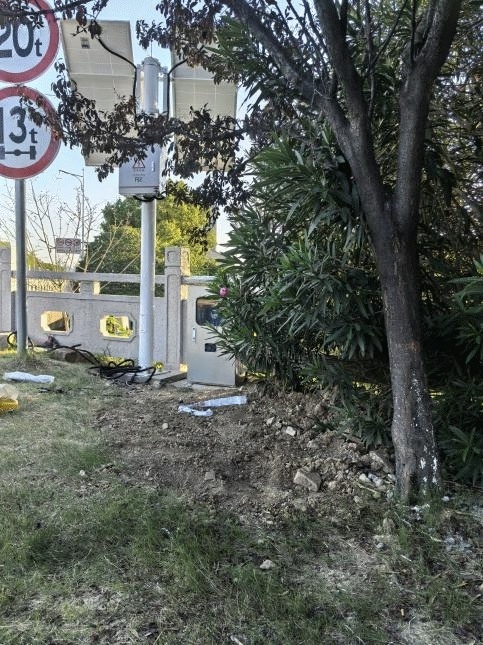
✅ Grid cabling exposed to seasonal rainfall, surface water accumulation, and conduit seepage
✅ Persistent moisture and insect activity increasing the risk of short circuits and component corrosion
✅ Salt-mist and organic aerosols accelerating enclosure and terminal degradation in waterside zones
✅ Dispersed deployment across public green areas requiring coordination with park management for each maintenance visit
These constraints make grid-dependent or non-sealed power systems structurally insufficient.
SECTION 2 — Power Architecture & System Topology
Solar Energy Generation Design for High-Humidity Park Environments
The system adopts a compact photovoltaic architecture optimized for moisture-prone public spaces:
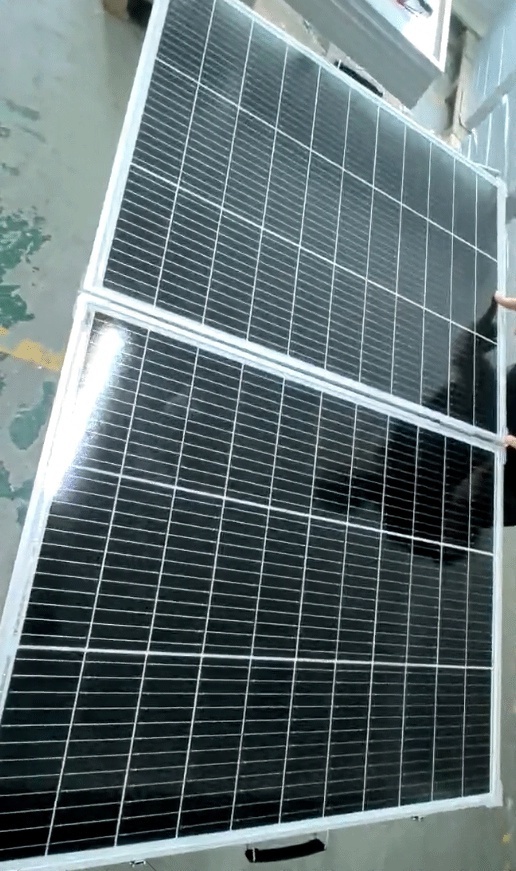
✅ 100W photovoltaic module sized for continuous communication equipment load profiles
✅ Anti-salt-mist and high-humidity-resistant surface coating to reduce long-term output degradation
✅ Installation at open park locations to avoid tree shading and seasonal canopy growth
✅ Output stability prioritized over peak generation to ensure uninterrupted base-station operation
Energy Storage & Moisture-Protection Design
Reliable park-based communication depends on storage integrity under persistent humidity exposure:
✅ 100Ah high-sealing battery cells engineered for moisture-resistant operation
✅ Battery system integrated into a waterproof, corrosion-resistant enclosure
✅ Structural protection against insects, condensation ingress, and salt-mist corrosion
✅ Storage autonomy designed to bridge extended overcast and rainy periods without service interruption
Intelligent Control & Remote Power Management
Operational reliability is reinforced through continuous system supervision:
✅ Integrated intelligent controller coordinating solar generation, battery charging, and load supply
✅ Mobile-accessible interface providing real-time visibility into PV output and battery health
✅ Automatic alerts triggered by abnormal voltage, moisture-related anomalies, or load deviation
✅ Remote diagnostics reducing on-site intervention frequency in regulated public areas
SECTION 3 — Deployment, Operations & Maintenance
The power system was engineered to minimize public-space disruption and operational burden:
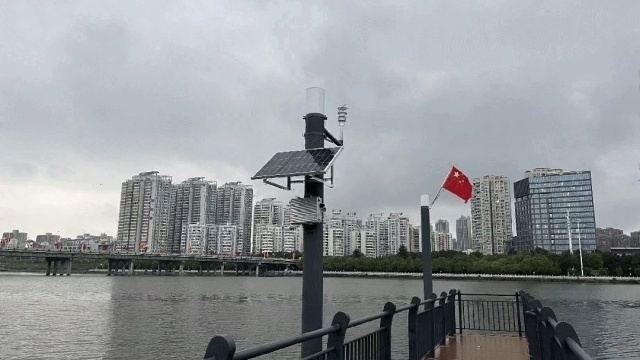
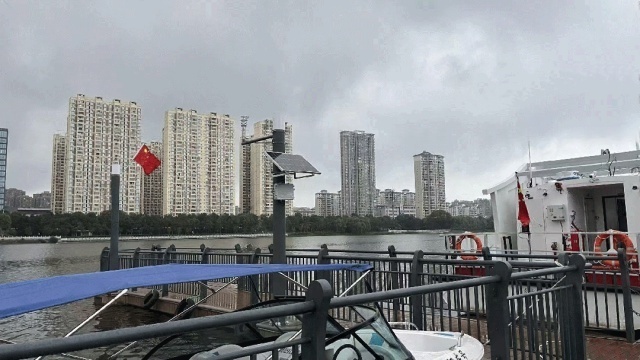
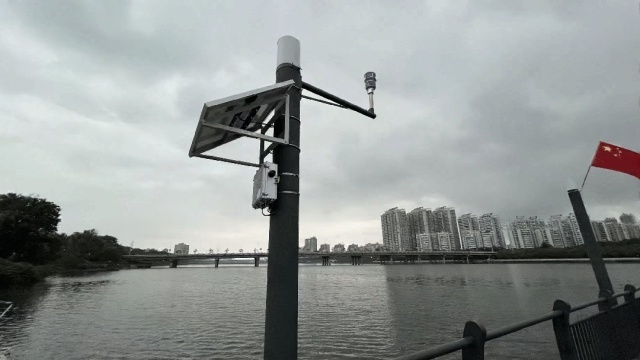
✅ Modular installation avoiding extensive ground modification in landscaped park zones
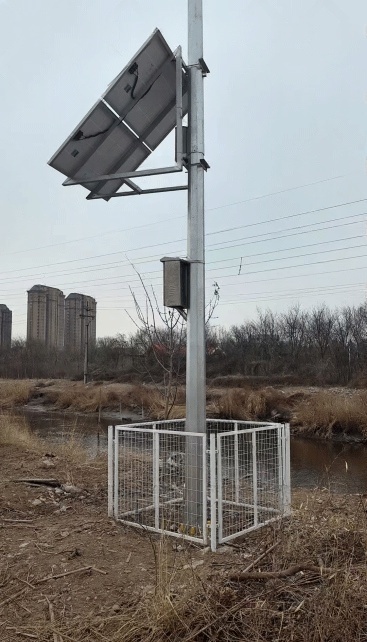
✅ Compact structural footprint adaptable to waterside paths and greenbelt terrain
✅ Remote monitoring significantly reducing manual inspection frequency and coordination overhead
✅ Maintenance strategy shifting from reactive field repair to preventive, data-driven supervision
This deployment approach aligns long-term power system operation with the realities of urban park infrastructure management.
SECTION 4 — Field Validation / Engineering Verification
Verification conditions:Communication base stations deployed across waterside urban parks in Anhui under high humidity, frequent rainfall, and public-access constraints.
Observed performance:The 100W solar power system with 100Ah sealed storage maintained uninterrupted base-station operation through rainy seasons, high-humidity periods, and restricted maintenance windows.
Engineering conclusion:Moisture-resilient off-grid solar power architecture effectively eliminates power-related communication outages in waterside urban park environments.
Decision Boundary — Engineering Applicability Limits
This solution is not suitable for sites with continuous heavy shading, enclosed underground installations, or communication loads exceeding the designed power envelope without system scaling.
Deep Search Intent Expansion — Engineering & Procurement FAQ
Why are off-grid solar systems suitable for park-based communication sites?
Park environments restrict grid reliability and maintenance access, making sealed off-grid power systems more dependable than exposed utility cabling.
How does high humidity affect communication power systems?
High humidity accelerates corrosion, insulation degradation, and short-circuit risk, requiring sealed enclosures and moisture-resistant components.
Can this system operate without any grid connection?
Yes. The system is designed for fully off-grid deployment in public park environments with no reliance on utility infrastructure.
How does remote monitoring reduce park-site maintenance cost?
Remote power visibility enables condition-based maintenance, reducing site visits that require administrative coordination and minimizing service disruption.
Engineering Conclusion
For waterside urban parks, moisture-resilient off-grid solar power is a structural requirement for reliable communication coverage, not a supplementary option.
Related Smart-Infrastructure Energy Solutions
Designed for landscaped public areas requiring low-impact installation and high environmental tolerance.
Supports stable operation where humidity and flooding challenge grid reliability.
Engineered for sites with restricted maintenance access and strict uptime requirements.
Enables scalable off-grid deployment across city parks, greenbelts, and recreational zones.
Adaptable designs aligned with site-specific environmental exposure and operational constraints.
Engineering & Procurement Contact
Engineering & Procurement ContactEmailtony@kongfar.com
Websitehttps://www.kongfar.comFor site-specific park communication power architecture design or high-humidity deployment assessment, engineering consultation is available upon request.


 Deutsch
  English