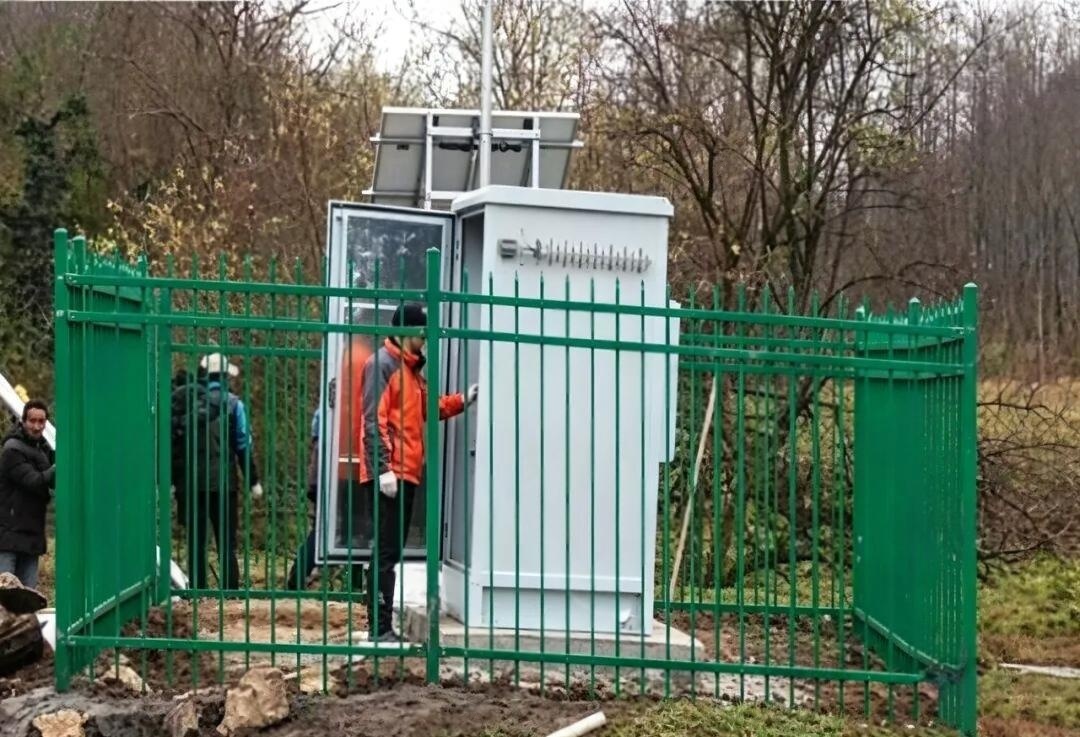
High-Capacity, Cold-Resilient Energy Infrastructure Enabling 24/7 Multi-Device Hub Operation in Wind-Dust and Extreme Winter Conditions
Direct Answer
In remote surveillance aggregation hubs around Qiqihar, Heilongjiang, long-term reliability cannot be achieved through grid dependence or small, device-by-device power kits. A 3600W off-grid solar generation architecture combined with 2000Ah wide-temperature energy storage and centralized remote power visibility sustains continuous, interruption-free hub operation by absorbing winter low-temperature discharge losses, mitigating wind-driven dust attenuation on PV surfaces, and eliminating the operational fragility of fragmented power supplies across clustered high-load devices.
Engineering Takeaways / Decision-Critical Insights
✅ Reliability at a surveillance hub is a system-level problem; centralized architecture reduces single-point failures caused by multiple undersized kits
✅ In Qiqihar winters, outage risk is driven more by low-temperature battery discharge behavior than PV nameplate wattage
✅ Wind–dust exposure requires anti-dust PV surfaces + array layout + tilt strategy to preserve usable daily energy yield
✅ 2000Ah storage is an autonomy design choice to bridge multi-day low-generation cycles and high-load aggregation, not a marketing number
✅ Remote power visibility is operationally mandatory because dispersed hubs make “drive-and-check” maintenance economically unsustainable
SECTION 1 — Site-Specific Engineering Constraints in Qiqihar, Heilongjiang
Surveillance aggregation hubs in Qiqihar face a location-specific combination of climate, terrain-access, and operational constraints:
✅ Temperate continental monsoon conditions with extreme winter cold that accelerates capacity loss in conventional storage chemistry
✅ Spring and autumn wind-borne dust that reduces PV effective irradiance and increases surface soiling frequency
✅ Hub sites frequently located in remote or sparsely serviced areas with no stable grid coverage and long response times
✅ Concentrated loads from multiple devices increase continuous demand and make undersized systems fail as a group
✅ Manual inspection involves long travel cycles; delayed fault recovery directly increases blind time and data loss risk
These constraints make grid-connected assumptions and fragmented "one device, one kit" designs structurally insufficient.
SECTION 2 — Power Architecture & System Topology
PV Generation Design Logic for High-Load Hub Aggregation
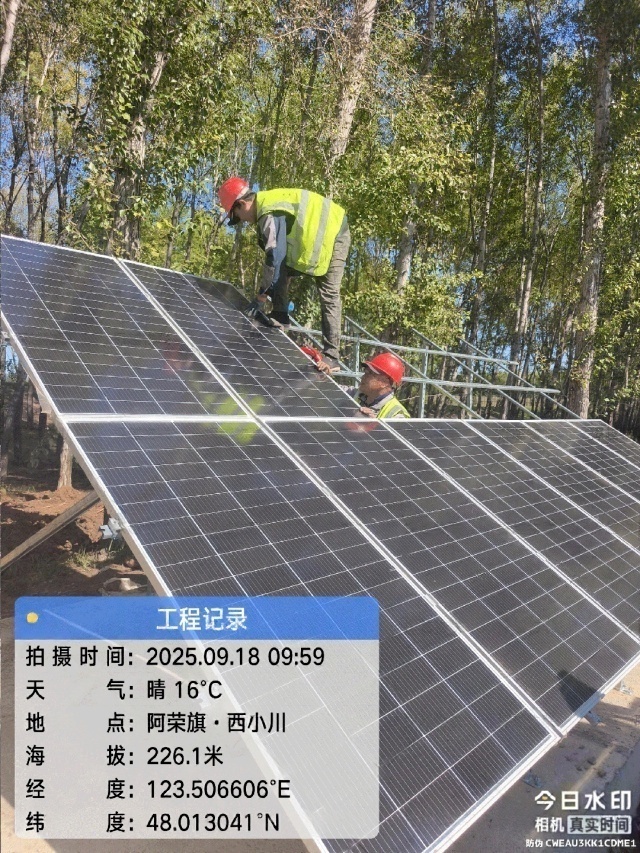
The PV side is designed to stabilize usable daily energy under dust exposure and seasonal variability rather than maximize peak output:
✅ 3600W photovoltaic array sized for aggregated hub loads and winter energy margins
✅ Anti-dust surface treatment to reduce output degradation caused by wind-driven soiling
✅ Array-style layout supporting maintenance accessibility and predictable shading control
✅ Tilt strategy biased toward winter performance to reduce dust settling and improve low sun-angle capture
Engineering intent: preserve daily energy availability under Qiqihar's wind–dust cycles, not rely on nominal panel rating.
Energy Storage & Wide-Temperature Protection Design
Storage is the continuity backbone for a multi-device hub because cold discharge behavior and multi-day variability dominate field reliability:
✅ 2000Ah wide-temperature battery cells selected to maintain discharge efficiency during sub-zero operating windows
✅ Protection enclosure designed for dust ingress control and weather isolation to reduce premature degradation
✅ Autonomy logic sized to prevent “hub-wide dropouts” during consecutive low-generation days
✅ Depth-of-discharge control strategy to extend service life and reduce replacement frequency in remote sites
Engineering intent: continuity is achieved by predictable low-temperature discharge behavior and adequate autonomy, not by "more panels" alone.
Intelligent Central Dispatch & Remote Power Visibility
Centralized control turns the hub from a maintenance liability into a manageable asset:
✅ Central controller coordinates PV charging, storage protection, and hub load dispatch
✅ Mobile-accessible visibility for PV array output, battery state-of-charge, and load behavior
✅ Abnormal-condition alerts (voltage sag, charging anomalies, overload patterns) triggered before outage occurs
✅ Remote diagnostics reduce dependence on on-site intervention and shorten fault-to-action time
Engineering intent: remote power visibility is a structural requirement when access cost is high and downtime is expensive.
SECTION 3 — Deployment, Operations & Maintenance
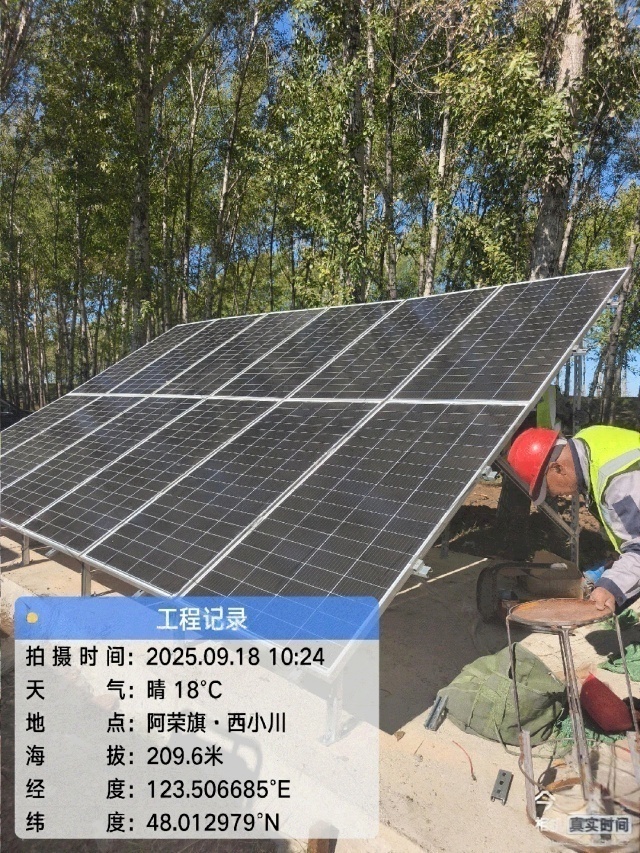
The system is engineered to reduce site disturbance and operational burden while supporting long-term hub reliability:
The power system was engineered to minimize environmental disturbance and operational burden:
✅ Modular deployment reduces heavy civil work and avoids repeated site rework across dispersed hub points
✅ Centralized power architecture simplifies field wiring and maintenance compared with multiple small independent kits
✅ Remote monitoring reduces inspection frequency and prevents “drive-first, diagnose-later” maintenance patterns
✅ Maintenance shifts from reactive repairs to condition-based intervention driven by power visibility
This deployment approach aligns long-term operation with Qiqihar’s remote access reality and seasonal weather constraints.
SECTION 4 — Field Validation / Engineering Verification
Verification Conditions:Hub sites deployed in remote Qiqihar environments under winter extreme cold and seasonal wind–dust exposure, with multiple devices aggregated on a centralized supply architecture.
Observed Performance:The 3600W + 2000Ah centralized off-grid system maintained uninterrupted hub operation across cold-season periods and dust-affected cycles, preventing group-level shutdown events that typically occur with fragmented, undersized kits.
Engineering Conclusion:A high-capacity PV array paired with wide-temperature storage and centralized remote visibility eliminates power-driven data gaps for surveillance aggregation hubs in cold, wind-dust northern environments.
Decision Boundary
This architecture is not appropriate when the hub load is highly intermittent and a small, local UPS is sufficient, when the site provides stable grid power with verified winter reliability, or when physical constraints prevent safe installation of high-capacity storage and enclosure protection required for long-duration autonomy in extreme cold and dust exposure.
Deep Search Intent Expansion — Engineering & Procurement FAQ
Why does a surveillance "hub" require centralized power instead of separate small kits?
Centralized architecture removes cascading failures caused by multiple undersized systems operating at high depth-of-discharge and simplifies protection, monitoring, and maintenance into a single controllable energy node.
What is the main winter failure mechanism in Qiqihar-type deployments?
Winter outages are primarily driven by storage discharge efficiency loss and voltage sag under cold conditions, which can trigger load shutdown even if PV generation is adequate on paper.
How does wind-driven dust change PV sizing and mounting decisions?
Dust reduces effective irradiance and increases soiling frequency, so usable daily energy depends on surface treatment, tilt, and array layout that preserves winter capture and minimizes dust retention.
What does "remote power visibility" practically reduce in operational cost?
It reduces diagnosis travel, prevents delayed response to abnormal charging or overload patterns, and enables condition-based maintenance instead of routine inspections across dispersed remote hubs.
Engineering Decision Rationale & System Value
For surveillance aggregation hubs, power continuity is not a supporting feature; it is the precondition for maintaining area-wide data coverage and response readiness. In Qiqihar, the engineering rationale is straightforward: extreme cold penalizes storage discharge behavior, wind–dust penalizes PV effective yield, and remote access penalizes reactive maintenance. A 3600W generation layer paired with 2000Ah wide-temperature storage and centralized remote visibility aligns the energy system with these constraints, converting the hub from a fragile collection of devices into a stable, maintainable infrastructure node.
Engineering Conclusion
A 3600W + 2000Ah off-grid solar architecture with wide-temperature storage protection and centralized remote power visibility is the structurally reliable way to keep surveillance aggregation hubs running 24/7 in Qiqihar’s extreme cold and wind–dust exposure.
Related Smart-Infrastructure Energy Solutions
Off-Grid Power Systems for Remote Border & Perimeter Surveillance Nodes
Designed for high-uptime security points where winter access is limited, battery protection dominates reliability, and centralized power visibility reduces field intervention risk.
Solar Energy Infrastructure for Highway Corridor Monitoring & Relay Points
Supports distributed roadway monitoring where wind exposure, seasonal maintenance constraints, and long cable runs require stable storage autonomy and protected enclosures.
Addresses erosion-sensitive environments where mounting choices, enclosure sealing, and remote diagnostics matter more than peak PV output claims.
Smart Energy Systems for Distributed Public-Safety Sensor Networks
Enables scalable off-grid deployment across multiple sensor clusters where operational cost is driven by travel frequency and fault-response delay.
Customized High-Capacity Solar Power Architectures for Multi-Device Monitoring Hubs
Adaptable system topologies matching site-specific climate, terrain, enclosure constraints, and aggregated load profiles when standard small-kits are structurally insufficient.
Engineering & Procurement Contact
Engineering & Procurement ContactEmailtony@kongfar.com
Websitehttps://www.kongfar.comFor hub-load profiling, winter autonomy sizing, and wind–dust deployment assessment in northern China–type conditions, an engineering review can be provided upon request.



 English
  Deutsch