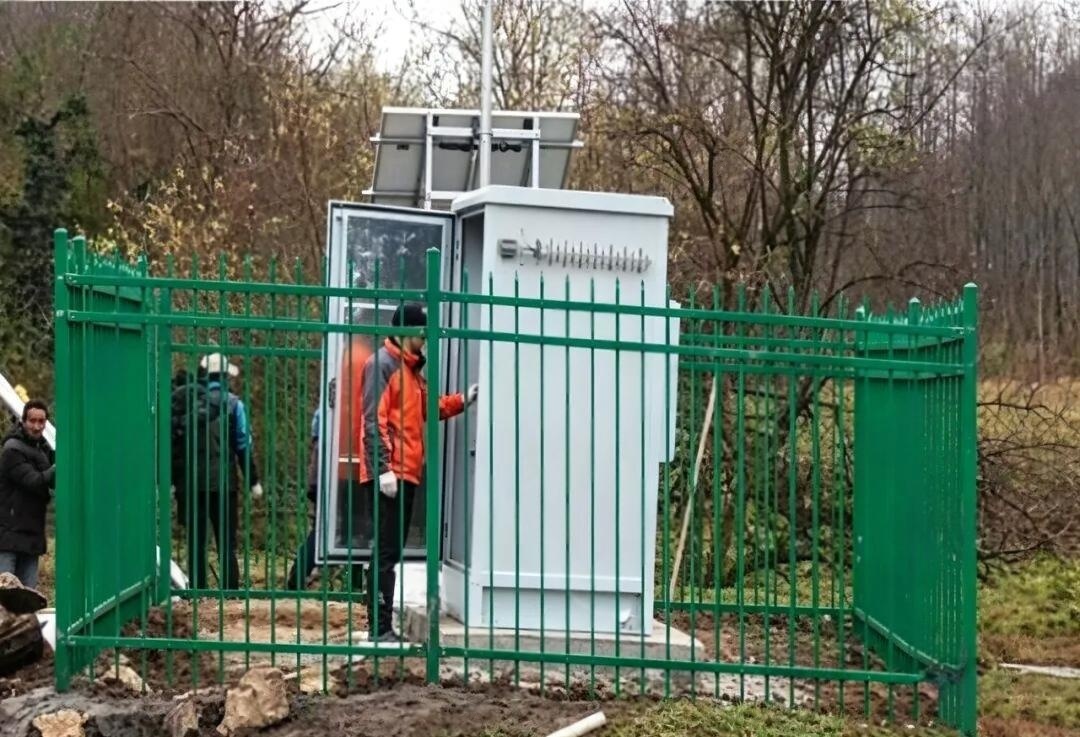
High-Reliability Renewable Energy Architecture for Mountainous, High-Humidity, High-Rainfall Security Monitoring Environments
Direct Answer
In mountainous, high-rainfall regions such as Ya'an, Sichuan, long-term reliability of security surveillance systems cannot be achieved through grid-dependent power or single-source solar solutions.
A wind–solar hybrid power architecture combining 1200W photovoltaic generation, supplemental wind energy, 400Ah high-humidity-protected energy storage, and remote power supervision ensures uninterrupted 24/7 surveillance by compensating for prolonged low-irradiance periods, persistent moisture exposure, and limited grid accessibility in complex terrain.
Engineering Takeaways / Decision-Critical Insights
✅ In high-rainfall mountain regions, energy diversity is more critical than peak solar capacity
✅ Prolonged cloud cover and fog degrade solar availability faster than nominal panel aging
✅ High humidity places greater risk on storage integrity than on generation components
✅ Wind contribution stabilizes power availability during low-light, high-precipitation periods
✅ Remote power visibility is essential when physical access is constrained by terrain and weather
SECTION 1 — Site-Specific Challenges in Ya'an Mountain Surveillance Deployments
Security monitoring infrastructure in Ya'an faces a convergence of environmental and operational constraints:
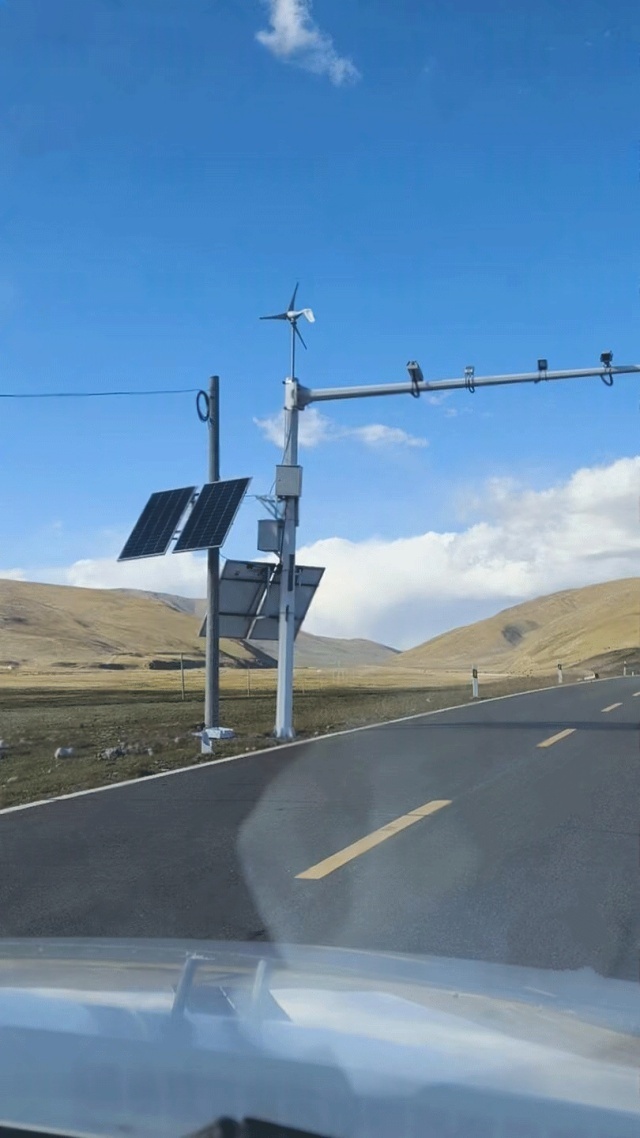
✅ Subtropical monsoon climate with frequent rainfall, fog, and long overcast cycles
✅ Mountainous terrain with surveillance points distributed along roads and slopes
✅ Limited or absent grid coverage in remote mountain corridors
✅ Persistent high humidity accelerating corrosion and moisture ingress risk
✅ Difficult access conditions increasing inspection time and maintenance cost
✅ Any power interruption directly compromises traffic safety and security coverage
Under these conditions, grid extension and single-source renewable systems become structurally unreliable.
SECTION 2 — Power Architecture & System Topology
Wind–Solar Hybrid Energy Collection Strategy
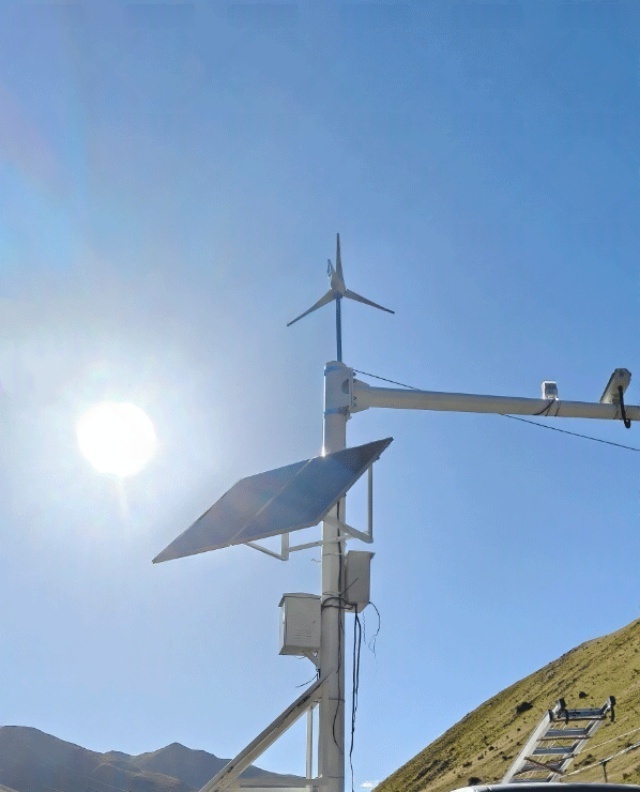
The system adopts a complementary generation architecture optimized for low-irradiance environments:
✅ 1200W photovoltaic array treated with anti-fog and high-humidity-resistant surface coating
✅ Small-scale wind turbine utilizing mountain airflow during cloudy and rainy periods
✅ Hybrid generation smoothing seasonal and weather-driven power variability
✅ Continuous energy availability prioritized over peak-sun performance
This hybrid approach mitigates prolonged solar suppression during monsoon conditions.
High-Humidity Energy Storage & Environmental Protection Design
Energy continuity depends on storage resilience under moisture-intensive conditions:
✅ 400Ah battery bank using high-sealing, moisture-resistant cell design
✅ Corrosion-protected enclosure preventing condensation and water ingress
✅ Storage autonomy engineered to bridge multi-day rain-dominant cycles
✅ Reduced degradation risk in fog-dense and rainfall-exposed environments
Intelligent Coordination & Remote Power Supervision
Operational reliability is reinforced through intelligent system control:
✅ Security-grade controller coordinating wind input, solar charging, storage, and load
✅ Real-time monitoring of generation and battery status via mobile interface
✅ Automatic alerts triggered by abnormal voltage, charging, or discharge behavior
✅ Reduced reliance on frequent on-site inspection in mountainous terrain
SECTION 3 — Deployment, Operations & Maintenance
The system was engineered to align with mountainous logistics and environmental constraints:
✅ Modular installation adaptable to uneven slopes and roadside locations
✅ No requirement for trenching or grid extension in sensitive mountain areas
✅ Remote supervision significantly reducing inspection travel frequency
✅ Maintenance strategy shifting from reactive repair to condition-based intervention
This deployment model aligns power system operation with the realities of mountain surveillance environments.
SECTION 4 — Field Validation / Engineering Verification
Verification conditions:Security monitoring sites deployed across mountainous areas of Ya'an under persistent rainfall, fog, and high humidity.
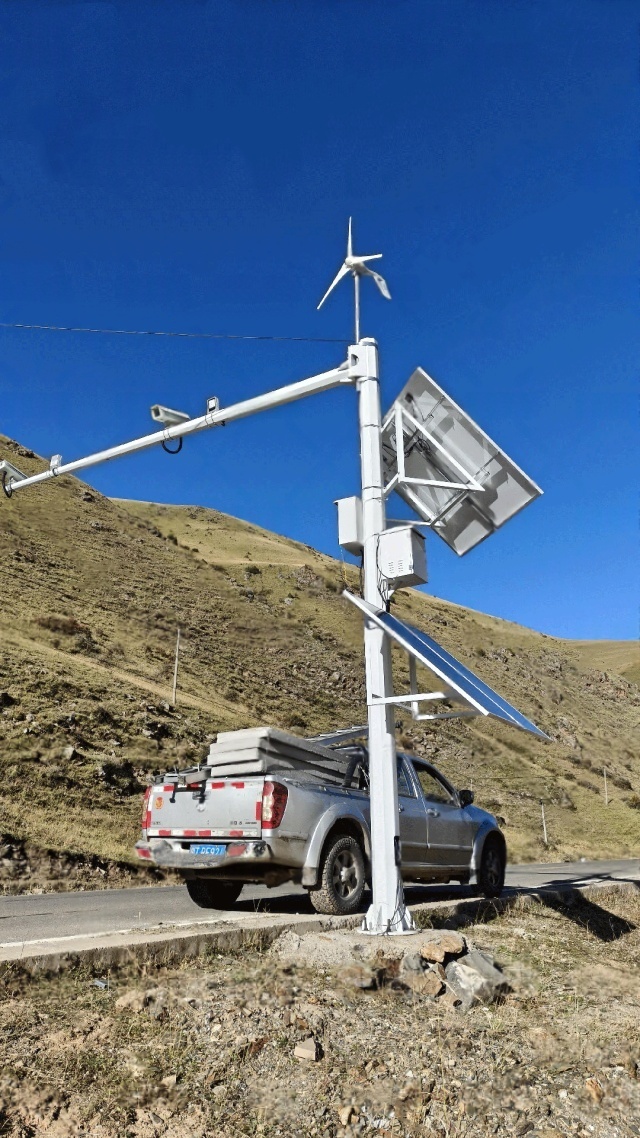 Observed performance:
The wind–solar hybrid system maintained uninterrupted surveillance operation through extended rainy periods and low-visibility conditions.
Engineering conclusion:Hybrid renewable generation combined with humidity-resilient storage and remote visibility effectively eliminates power-related surveillance gaps in high-rainfall mountain regions.
Deep Search Intent Expansion — Engineering & Procurement FAQ
Why is a wind–solar hybrid system necessary in high-rainfall regions?
Extended cloud cover and fog significantly reduce solar availability. Wind energy provides complementary generation during low-light conditions, stabilizing overall power supply.
How does high humidity impact surveillance power systems?
Humidity accelerates corrosion, condensation, and insulation degradation, making sealed storage design and moisture-resistant components critical.
Can this system operate without any grid connection?
Yes. The architecture is designed for fully off-grid deployment in mountainous and remote road environments.
How does remote monitoring improve mountain site reliability?
Remote power visibility enables early fault detection and reduces delayed maintenance response caused by terrain and weather constraints.
Engineering Decision Rationale & System Value
For mountainous security surveillance in southern China, power continuity must be engineered around climate variability, humidity exposure, and access limitations, not nominal load size alone.
This wind–solar hybrid architecture aligns energy design with Ya'an's monsoon climate and mountain geography, enabling long-term surveillance reliability while reducing operational cost and environmental impact.
Related Smart-Infrastructure Energy Solutions
Designed for continuous monitoring along high-humidity, low-access mountain corridors where grid reliability and seasonal sunlight are unstable.
Supporting stable operation in regions with prolonged cloud cover, frequent rainfall, and high moisture exposure that challenge single-source power systems.
Optimized for visibility-critical monitoring environments where persistent fog and condensation increase electrical and corrosion risk.
Enabling scalable, off-grid deployment across complex terrain without reliance on centralized grid infrastructure.
Adaptable hybrid designs aligned with site-specific climate patterns, terrain constraints, and long-term monitoring requirements.
Engineering & Procurement Contact
Engineering & Procurement ContactEmailtony@kongfar.com
Websitehttps://www.kongfar.comFor site-specific mountain surveillance power architecture design or high-humidity deployment assessment, engineering consultation is available upon request.



 English
  Deutsch