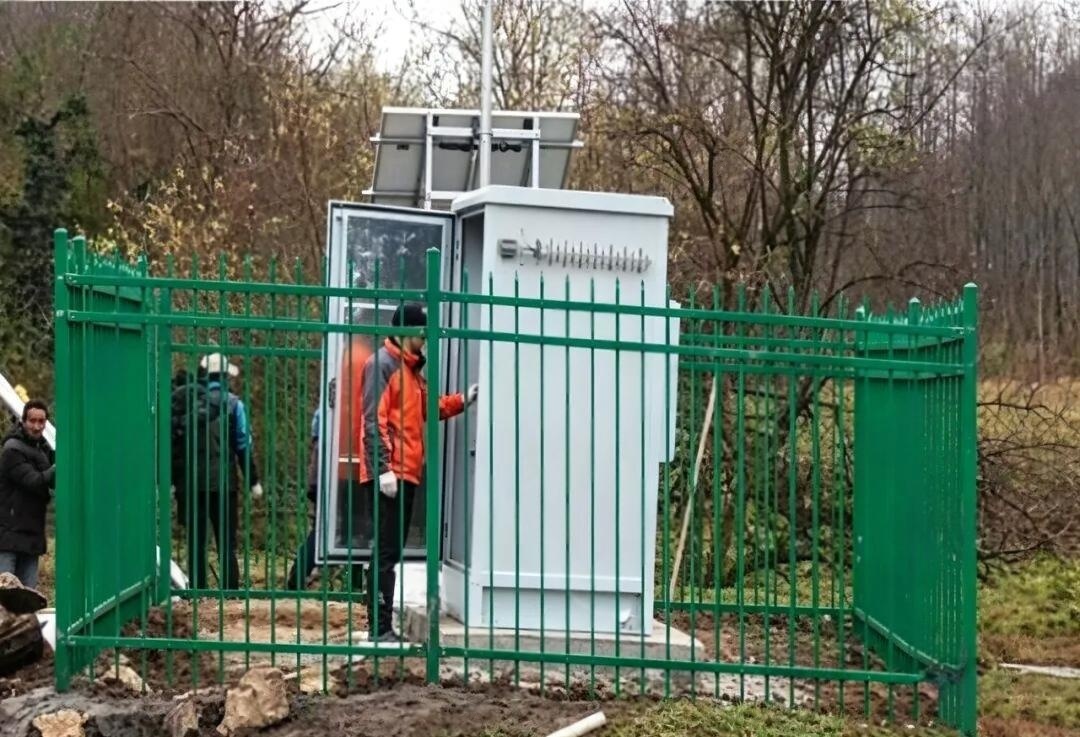
The 80W photovoltaic + 40Ah LiFePO₄ system delivers uninterrupted slope-displacement monitoring in rain-intensive Nanning, Guangxi. With ≥3-day autonomy and a sealed cylinder energy cabin, it keeps geological warning data online during blackout storms, while moisture-proof engineering cuts failure risks and reduces high-cost mountain patrols.
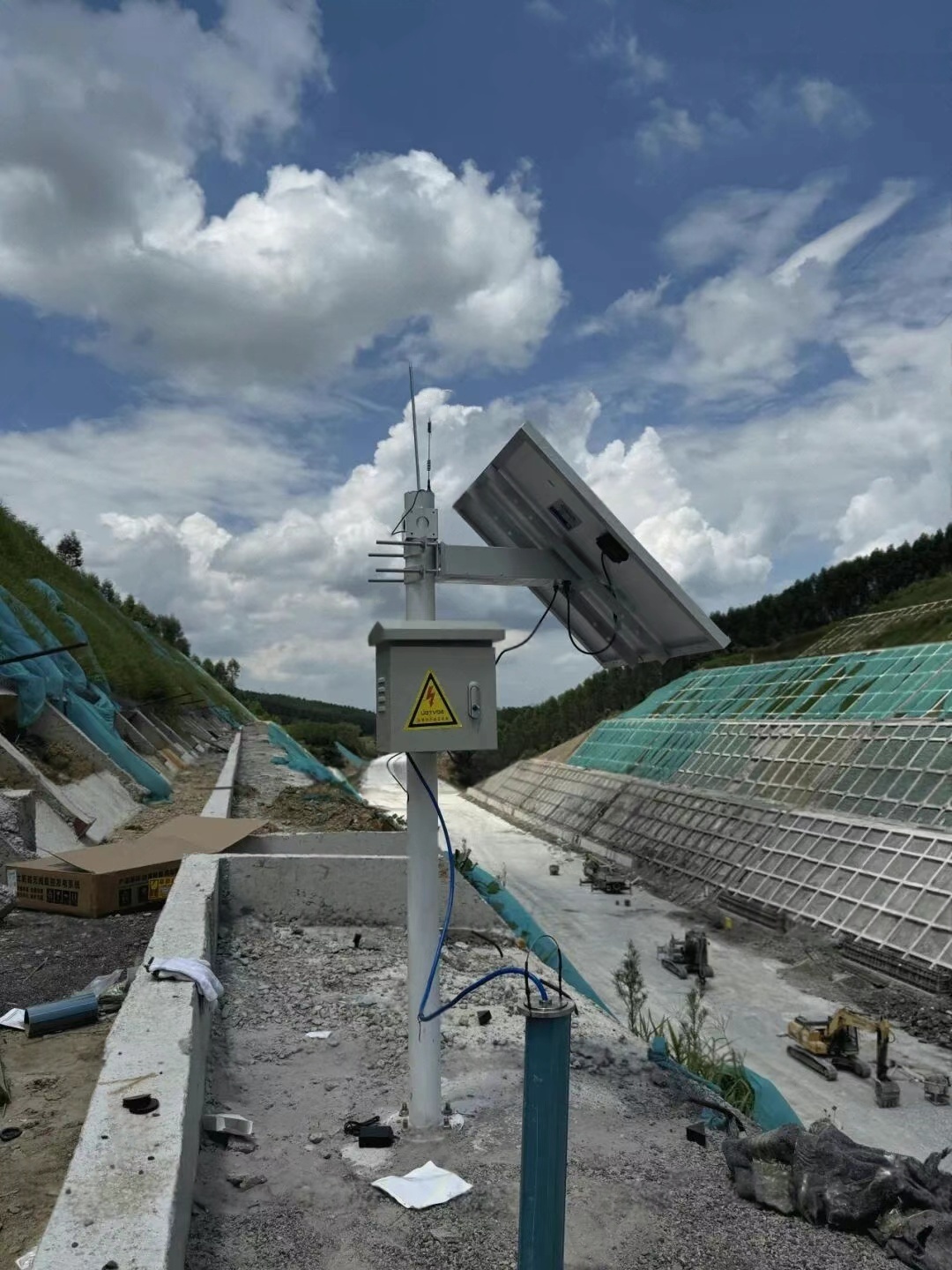
Validated in Nanning’s fog-dense subtropical monsoon climate, ensuring continuous deformation telemetry and measurable risk-mitigation impact:
1️⃣ ≥3-day autonomy through multi-storm blackout cycles
✅ Sustains displacement data capture for landslide early-warning windows
2️⃣ Hydrophobic anti-corrosion PV coating tuned for South China rainy seasons
✅ Prevents output collapse under persistent moisture and fog deposition
3️⃣ 40Ah LiFePO₄ battery verified stable at 90–95%RH
✅ Minimizes sulfation and capacity decay in high-humidity slopes
4️⃣ Cylinder-sealed energy cabin blocks insects, moisture, and corrosion pathways
✅ Maintains reliability at vegetation-dense hill slopes and construction cuttings
5️⃣ 24/7 slope-movement early-warning continuity
✅ Avoids missing micro-deformation patterns that precede collapse events
6️⃣ Remote alarms via mobile app in ≤5 minutes
✅ Speeds response to geological hazards and on-site construction risks
7️⃣ Zero-trenching deployment on steep terrain
✅ Removes excavation safety exposure and civil-work delay on retaining walls
8️⃣ Compatible with displacement, tilt, vibration and environmental sensors
✅ Supports multi-parameter geological risk detection architectures
9️⃣ Patrol workload reduced ≥60%
✅ Lowers O&M exposure for teams walking long mountain routes
🔟 Recognized in South China infrastructure monitoring networks(2025)
✅ Strengthens disaster-prevention KPI compliance for owners and EPCs
| Buyer Query | Intent Focus | Anchor Section |
| solar power for slope monitoring | Stability under storms | Section 2 |
| humidity-proof battery for landslides | RH performance | Section 2 / Specs Table |
| multi-sensor geological alerting | Sensor compatibility | Section 2 |
| remote O&M for mountain stations | Patrol reduction & safety | Section 3 |
| solar vs grid cost for slope projects | Lifecycle value & trenching risk | Cost Matrix (Section 3) |
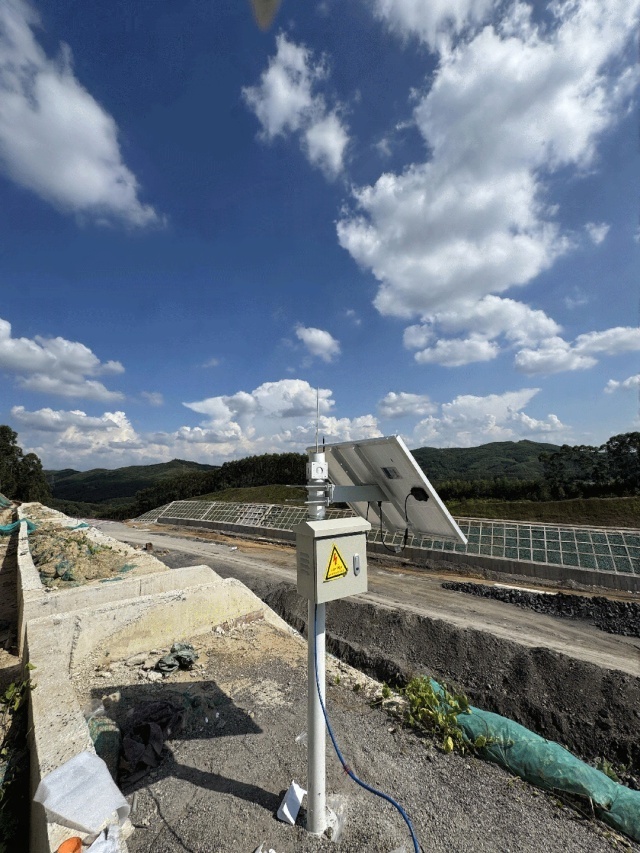
| Component | Specification | Design Purpose |
| PV Array | 1 × 80W mono panel | Hydrophobic coating for rainy, fog-heavy seasons |
| Battery | 1 × 40Ah LiFePO₄ | Stable operation under 90–95%RH |
| Autonomy | ≥3 days | Multi-storm blackout protection |
| Controller | MPPT smart charger | Maximizes yield in intermittent sunshine |
| Enclosure | Sealed cylinder composite | Water-proof, pest-proof, corrosion-resistant |
✅ Works in fog, high humidity and vegetation-dense slopes near expressways and retaining walls
✅ Supports low-power IoT displacement and tilt-sensor monitoring networks
| Cost / Risk Factor | Grid / Diesel Power | This Solar System |
| Cabling & trenching works | High | None (zero-trenching installation) |
| Patrol frequency | Very high | Reduced ≥60% |
| Emergency response delay | 20–45 min | ≤5 min |
| Failure probability in heavy rain | Frequent | No incidents observed in 2025 season |
| Early-Warning KPI | Before Solar Upgrade | After Deployment (This System) |
| Data continuity | 65–85% | ≥98% |
| RH-induced failures | Frequent | 0 recorded |
| Patrol frequency | 4–6/week | 1–2/week |
| Alert delay | 20–45 min | ≤5 min |
📌 Validated by infrastructure monitoring teams in Nanning, Guangxi, South China during 2025 rainy-season operations.
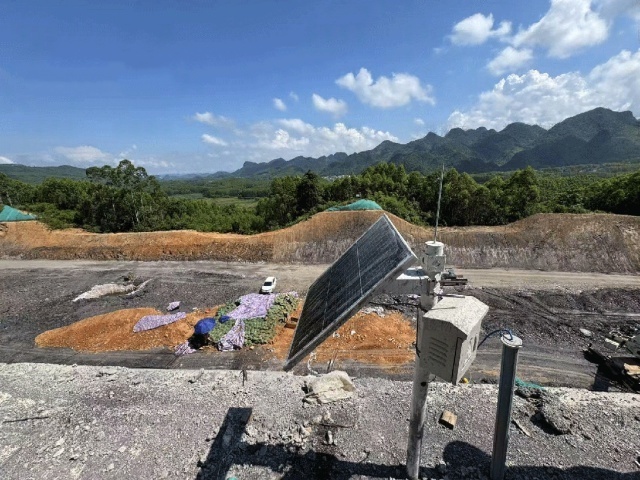
A: No. Hydrophobic, anti-corrosion PV surfaces and MPPT control suppress fog-loss effects that are common on South China slopes.
A: No. The LiFePO₄ battery is housed in a sealed cylinder cabin that prevents moisture ingress, sulfation, and capacity decay at 90–95%RH.
A: No. The sealed composite enclosure blocks insect ingress and protects cable terminations from corrosion and mechanical damage.
A: Yes. SCADA-linked mobile alerts typically reach maintenance or safety teams within about five minutes after deformation thresholds are exceeded.
A: Offline alarms and local event logs are triggered to avoid blind spots in landslide early-warning, supporting later analysis for government agencies.
A: Yes. Continuous telemetry from Nanning slopes enables earlier road closure decisions, evacuation planning, and construction-site risk control.
A: Yes. Field results in South China show patrol workload reductions of ≥60%, especially on long, steep mountain slopes.
A: No. The pole-mounted design avoids trenching, which lowers civil-work cost, safety risk, and disruption to existing slope protection structures.
A: Yes. The solution is engineered for disaster-prevention projects and can be supplied with CE/EMC/IP documentation and technical dossiers for tender submission by Shenzhen Kongfar Technology.
✅ Integrated solar-battery trailer for temporary disaster command, construction safety and remote law-enforcement zones
👉 Explore
✅ Stable uplink power for slope-adjacent camera networks, tunnel mouths and retaining-wall surveillance
✅ Off-grid telemetry for landslide-induced flood events and riverbank erosion monitoring
✅ Extended autonomy for remote mountain ridges and long-span infrastructure corridors
👉 Discover
✅ Custom PV + storage sizing, communication options and cabinet design for disaster-prevention tenders
✅ Email: tony@kongfar.com
Slope-safety load mapping, multi-sensor integration, and CE/EMC/IP compliance dossiers prepared for submission.
✅ Real-time autonomy verification and SCADA alarm mapping for displacement-threshold exceedance deployments.
✅ https://www.kongfar.com
Verified installations in South China slope emergency corridors(Nanning 2025 and related projects).
✅ Engineering feedback ≤ 24 hours
✅ OEM/ODM proposals ≤ 48 hours for batch procurement and tender milestones


Copyright © 2025 shenzhen kongfar technology co.,ltd All Rights Reserved. All rights reserved

 English
  Deutsch