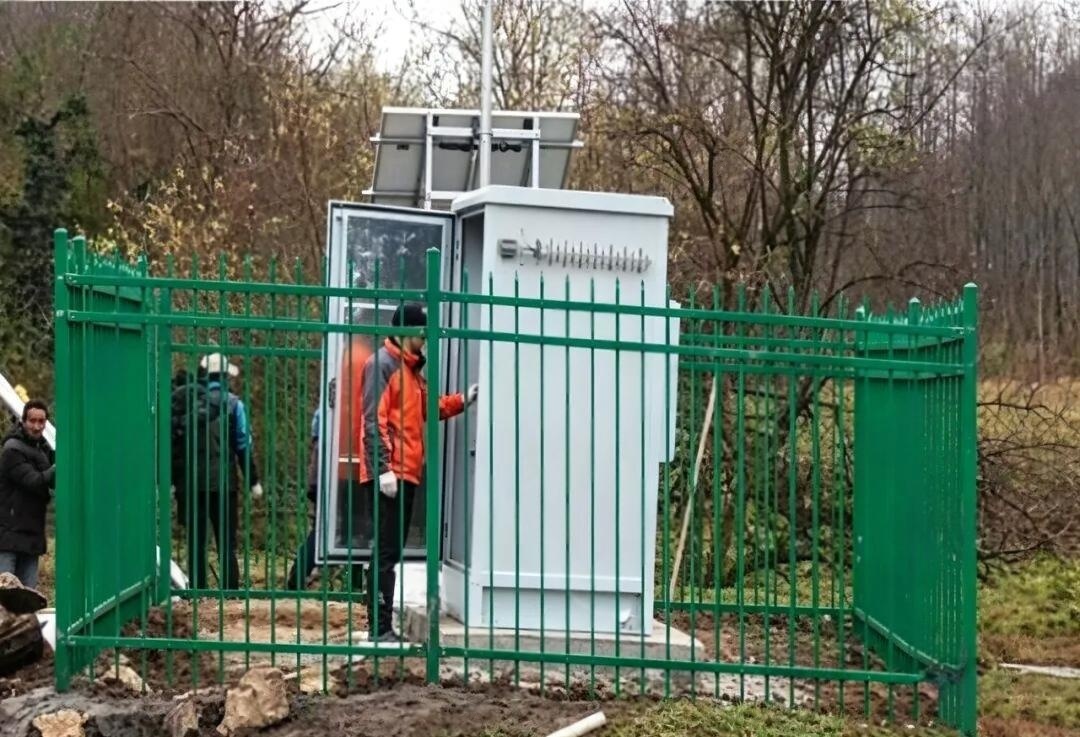
Corrosion-Resistant Energy Infrastructure Supporting Continuous Coastal Weather Observation
Direct Answer
An off-grid solar power system integrating corrosion-resistant photovoltaic generation, salt-fog-tolerant energy storage, and intelligent remote power management enables uninterrupted 24/7 operation of coastal meteorological monitoring equipment in Dongying by overcoming grid limitations, saline corrosion, wind-borne sand exposure, and high maintenance constraints under site-specific coastal operating conditions.
Engineering Takeaways — Decision-Critical Insights for Coastal Meteorological Power Systems
The following engineering takeaways highlight why this architecture remains reliable in northern coastal monitoring environments:
✅ Grid-independent energy supply eliminates reliance on unstable coastal power infrastructure
✅ Anti-salt-fog photovoltaic coatings reduce long-term corrosion degradation
✅ Sealed, corrosion-resistant battery enclosures prevent moisture and saline ingress
✅ Elevated panel tilt minimizes sand accumulation and preserves generation efficiency
✅ Remote visibility reduces physical access to dispersed shoreline sites
✅ Continuous energy availability safeguards integrity of meteorological datasets
SECTION 1 — Site-Specific Challenges for Coastal Meteorological Monitoring in Dongying
Meteorological monitoring stations in Dongying are deployed across open coastal plains, reclaimed land, and shoreline zones, where environmental stressors directly impact power system reliability.
Key site-specific challenges include:✅ Limited grid coverage in coastal and reclaimed land areas
✅ Persistent overcast conditions reducing solar availability windows
✅ Salt-fog corrosion accelerating degradation of exposed components
✅ Strong coastal winds carrying sand and dust onto photovoltaic surfaces
✅ Dispersed site locations increasing inspection time and access cost
✅ High risk of data loss during extended power interruptions
SECTION 2 — Power Architecture & System Topology for Coastal Weather Stations
Corrosion-Resistant Photovoltaic Configuration
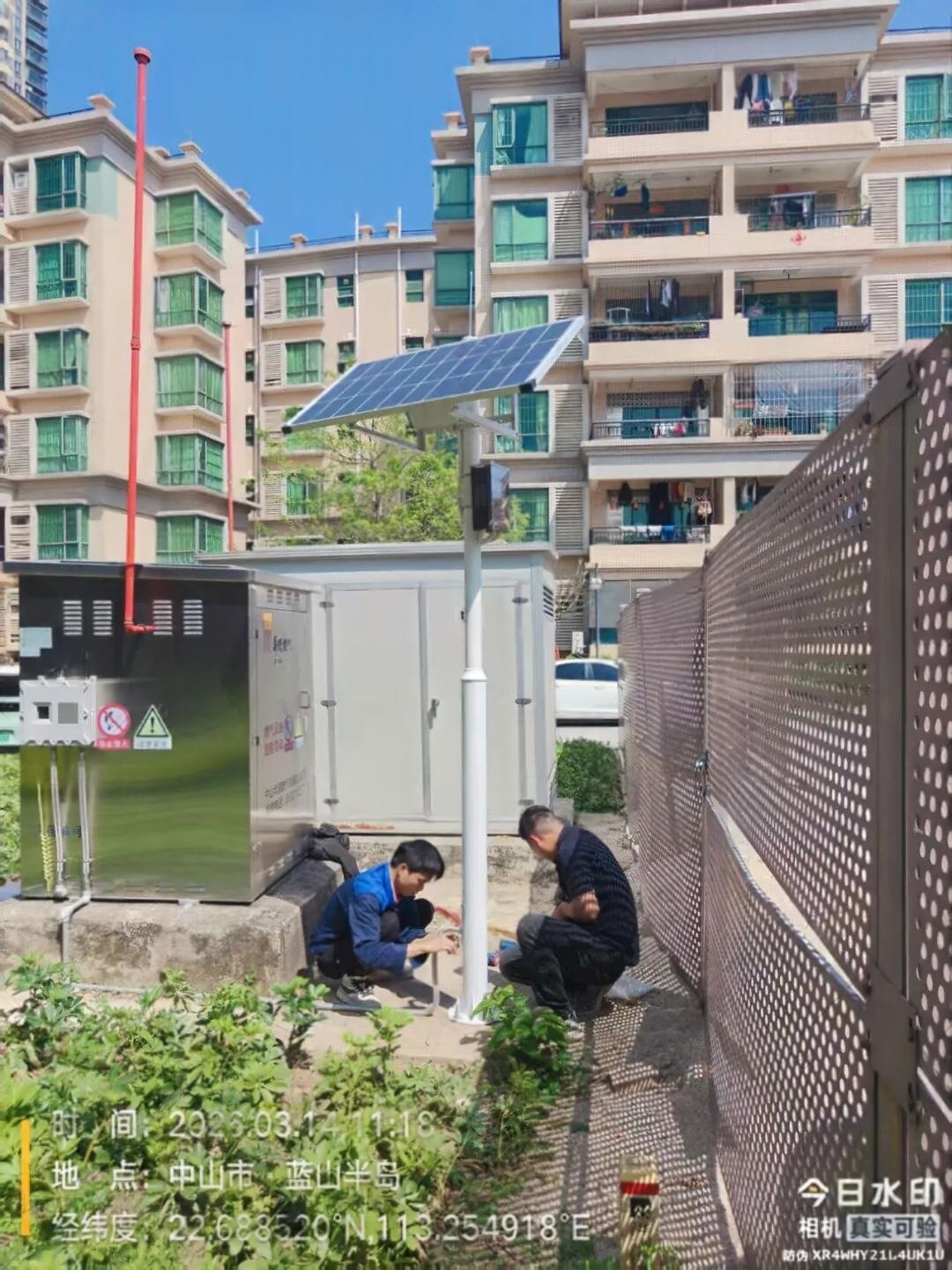
The system adopts a 200W photovoltaic array engineered for saline coastal exposure.
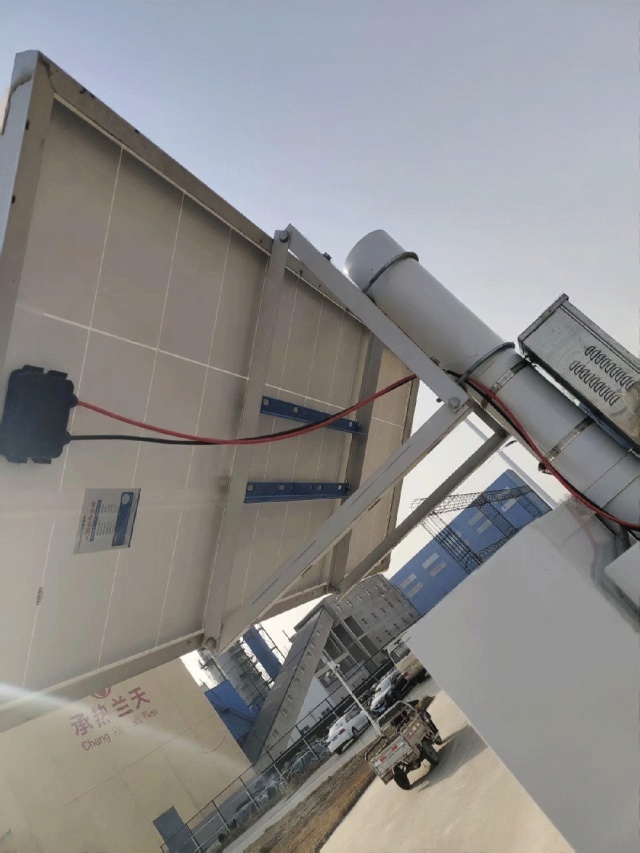
Engineering design considerations include:
✅ Anti-salt-fog surface coatings mitigating corrosive aerosol damage
✅ High-tilt mounting structures reducing sand and dust accumulation
✅ Structural reinforcement designed for persistent coastal wind loads
✅ Generation profiles aligned with low-power meteorological sensor duty cycles
Salt-Fog-Tolerant Energy Storage & Protective Enclosure Design
A 120Ah energy storage subsystem ensures continuity during prolonged cloudy and stormy periods.
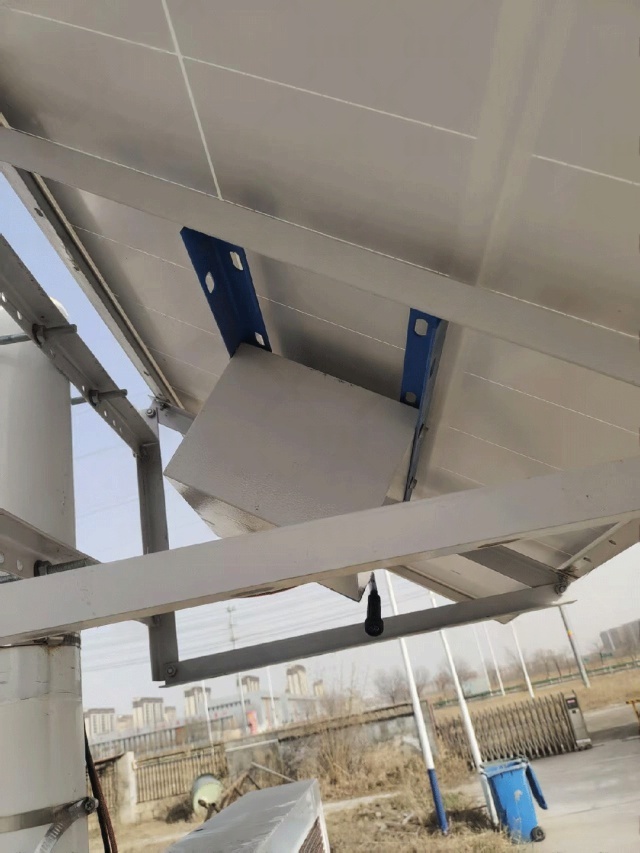
Key protective features include:
✅ Fully sealed battery enclosures preventing salt and moisture ingress
✅ Salt-resistant cell chemistry extending coastal service lifespan
✅ Corrosion-resistant housing materials suitable for long-term shoreline deployment
✅ Stable discharge behavior supporting uninterrupted sensor operation
Intelligent Power Coordination & Remote Operations
An integrated intelligent controller manages generation, storage, and load coordination.
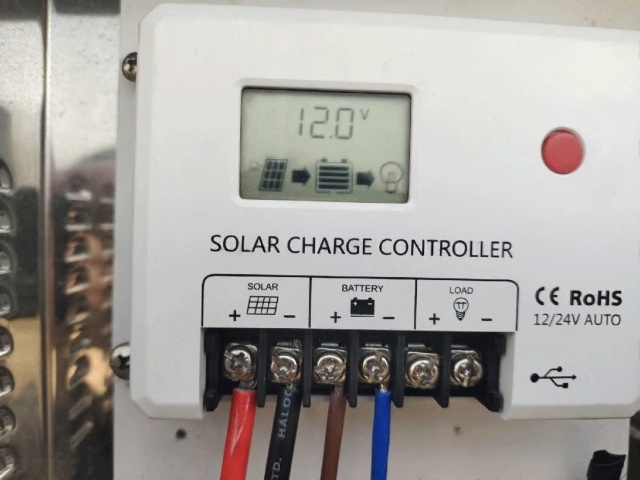
Functional capabilities include:
✅ Real-time visibility of photovoltaic output and battery state
✅ Automated alerts for abnormal power or environmental conditions
✅ Remote diagnostics reducing the need for on-site coastal inspections
✅ Optimized energy dispatch ensuring data continuity during low-irradiance cycles
SECTION 3 — Deployment, Operations & Maintenance Efficiency
Coastal-Compatible Installation Strategy
The system is deployed without grid extension or trenching, minimizing environmental disruption.
Deployment advantages include:✅ No dependence on vulnerable coastal grid infrastructure
✅ Installation compatible with open shoreline and tidal flat terrain
✅ Reduced exposure to flooding-related cable damage
Remote Maintenance Model Optimization
Remote monitoring reshapes traditional maintenance workflows for coastal meteorological stations.
Operational benefits include:✅ Significantly reduced inspection frequency across dispersed sites
✅ Faster response to power anomalies without physical access
✅ Lower labor intensity and long-term operational cost
SECTION 4 — Engineering Verification & Field Validation (Dongying, 2025)
Engineering verification outcomes observed under real coastal operating conditions:✅ Continuous meteorological monitoring maintained through extended overcast periods
✅ Stable power output despite persistent salt-fog exposure
✅ No corrosion-related power interruptions recorded during deployment cycle
✅ Manual inspection workload substantially reduced compared with battery-only systems
(Results reflect real-world operation under northern coastal climate conditions.)
Deep Search Intent Expansion — Engineering & Procurement FAQ
Coastal Meteorological Power Reliability
How can off-grid solar systems remain reliable in high salt-fog coastal environments?
A: Reliability depends on corrosion-resistant photovoltaic coatings, sealed enclosures, salt-tolerant battery chemistry, and minimized exposed electrical interfaces. In Dongying’s coastal climate, these measures collectively prevent accelerated degradation and ensure long-term energy stability.
How does the system maintain power during extended cloudy or stormy weather?
A: Energy continuity is achieved through oversized storage capacity relative to sensor load, stable low-current discharge profiles, and intelligent power management that prioritizes essential monitoring equipment during low-generation periods.
Deployment & Lifecycle Planning
What maintenance requirements remain after remote monitoring is implemented?
A: Physical maintenance is limited to scheduled visual inspection and surface cleaning, as power status, battery health, and fault conditions are remotely visible. This significantly reduces the frequency and urgency of coastal site visits.
Can this system scale to support additional meteorological sensors in the future?
A: Yes. The architecture allows for photovoltaic capacity and battery storage expansion based on updated load assessments, enabling future sensor integration without redesigning the core system.
Engineering Decision Rationale & System Value
This deployment demonstrates how coastal-adapted off-grid energy systems strengthen meteorological monitoring reliability:
✅ Stable energy supply preserves integrity of wind, humidity, and atmospheric datasets
✅ Corrosion-resistant design extends equipment lifecycle in saline environments
✅ Reduced maintenance burden improves operational efficiency for coastal agencies
✅ Scalable architecture supports long-term expansion of monitoring networks
Related Smart-Infrastructure Energy Solutions
Mining Site Monitoring Power Systems
Off-grid energy architectures designed for continuous operation of surveillance cameras, environmental sensors, and safety monitoring equipment deployed across open-pit and remote mining sites.
These systems prioritize dust resistance, vibration tolerance, and extended autonomy to support uninterrupted monitoring in areas where grid access is unreliable or operationally impractical.
👉
Explore off-grid power systems for mining site monitoring and industrial safety deployments.Community Safety Monitoring Energy Solutions
Independent power solutions supporting cameras, emergency call points, and perimeter monitoring equipment across residential communities, public facilities, and urban–rural interface zones.
Engineered for low-noise operation, stable night-time performance, and reduced maintenance frequency, these systems enable continuous community safety monitoring without dependence on complex grid infrastructure.
👉
Learn more about solar power systems for community safety and public security monitoring.Highway & Expressway Monitoring Power Infrastructure
Autonomous power platforms supporting traffic cameras, weather sensors, slope monitoring devices, and roadside safety equipment along highways and expressways.
Designed to withstand wind exposure, dust accumulation, and long-distance deployment, these energy systems help maintain monitoring coverage in road sections where grid construction or maintenance access is limited.
👉
Discover off-grid power solutions for highway and expressway monitoring infrastructure.Partner & Distributor Deployment Scenarios
Modular off-grid power architectures tailored for system integrators, project contractors, and regional distributors delivering infrastructure monitoring solutions.
These configurations emphasize standardized components, flexible capacity scaling, and simplified installation to support multi-project replication across different geographic and regulatory environments.
👉
View partner-ready off-grid power solutions for system integration and distribution projects.Custom-Built Off-Grid Power Systems
Project-specific energy architectures developed for non-standard environments, mixed load profiles, or specialized regulatory constraints.
System design is driven by site conditions, duty cycles, environmental exposure, and lifecycle optimization rather than fixed product templates, making these solutions suitable for complex or first-of-kind infrastructure projects.
👉
See custom-built off-grid power systems for specialized monitoring applications.Engineering & Procurement Contact — Coastal Monitoring Power Projects
This section serves as the technical and procurement entry point for coastal and environmental monitoring deployments.
Engineering & Procurement ContactEmailtony@kongfar.com
Websitehttps://www.kongfar.comEach project inquiry is technically reviewed against environmental exposure, duty-cycle requirements, and long-term reliability objectives to ensure alignment before system deployment proceeds.



 English
  Deutsch