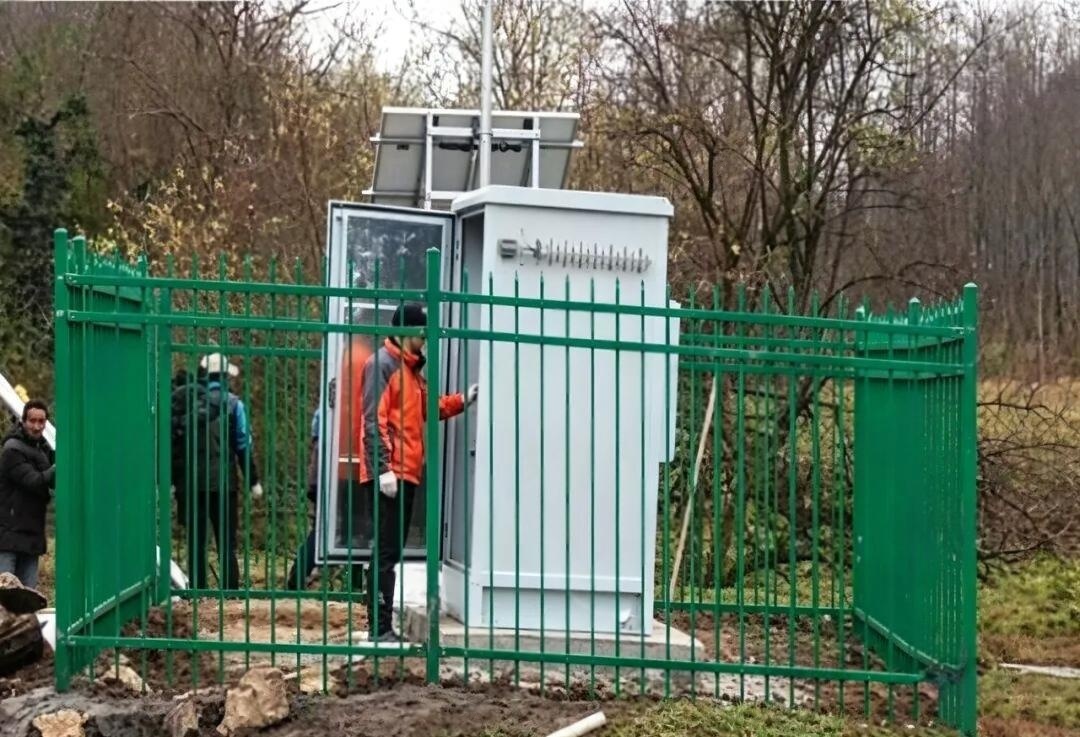
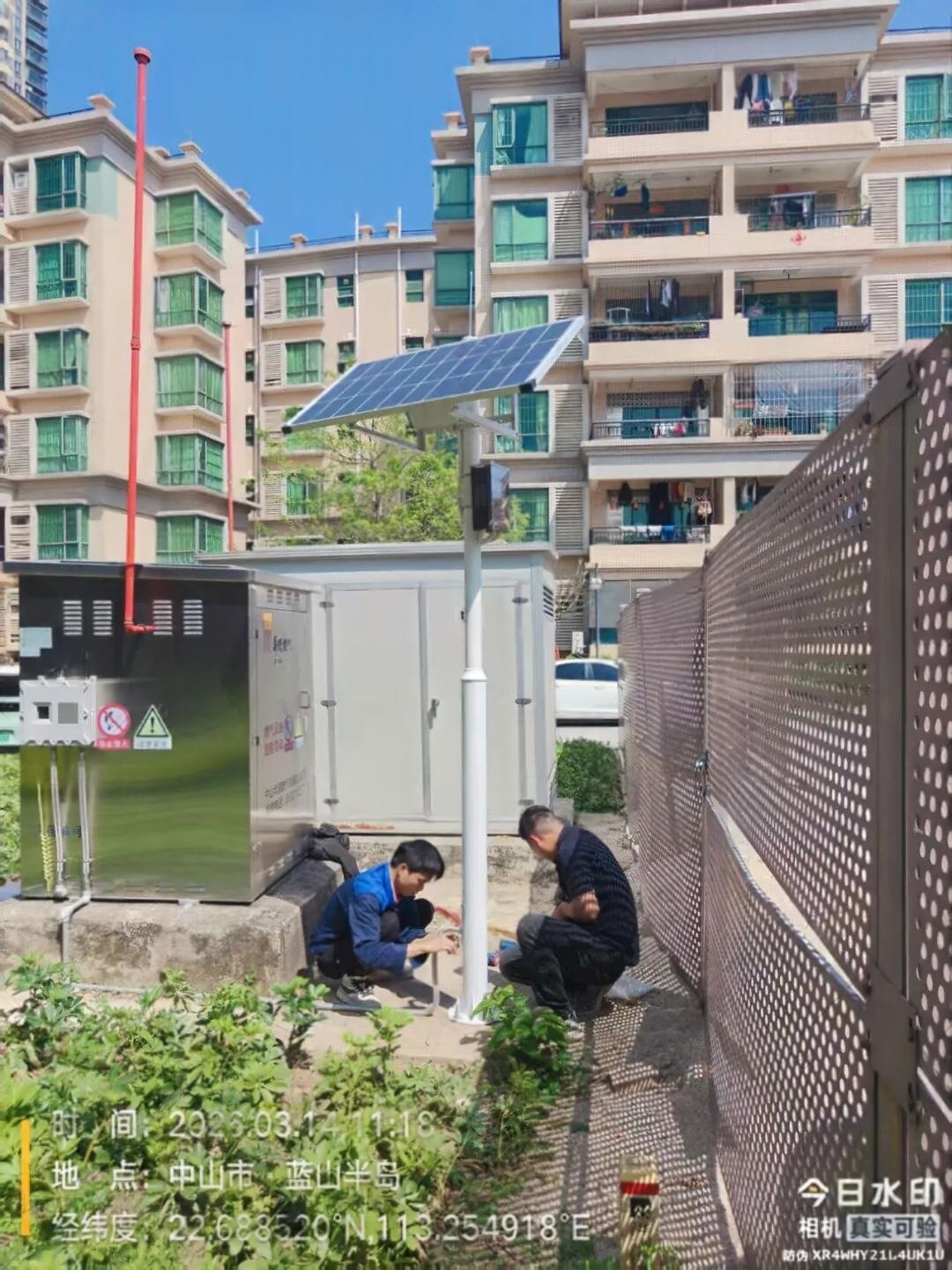
The 200W solar–grid hybrid power system provides uninterrupted energy for river monitoring in rainy Chengdu, China. Hybrid switching ensures continuous hydrology data during floods, while reducing grid dependency and long-distance maintenance costs.
Below are procurement and engineering takeaways designed for water bureaus and project technical reviewers evaluating continuity risk, lifecycle cost, and flood-season reliability:
1️⃣ Hybrid solar plus grid fallback reduces single-energy outage risk
— Keeps monitoring online when foggy days weaken PV or floods damage cables
2️⃣ 200W PV is configured to prioritize daytime load and battery charging
— Stabilizes telemetry even during overcast periods common in Chengdu
3️⃣ 80Ah storage buffers load spikes and short-term sunlight fluctuation
— Protects data continuity during night transmission and peak upload windows
4️⃣ Automatic switching logic prevents manual intervention during storms
— Improves flood-response readiness and reduces maintenance callouts
5️⃣ Flood-season reliability is improved by water-resistant enclosure strategy
— Reduces moisture-related failures on riverbanks and wetland edges
6️⃣ Remote energy visibility reduces wetland patrol exposure
— Fewer on-site visits during high water and muddy access conditions
7️⃣ Design supports multi-sensor hydrology stations, not only CCTV
— Suitable for water level, flow rate, and water quality telemetry expansion
8️⃣ Lower long-term cable maintenance burden than grid-only deployment
— Reduces post-flood repair cycles and recurring trenching disruptions
9️⃣ Hybrid architecture supports compliance-driven government projects
— Documentation readiness improves tender evaluation efficiency
🔟 Deployed for Chengdu river supervision scenarios in 2025 operations
— Designed for ecological oversight and flood dispatch continuity targets
| Buyer Query | Intent Focus | Anchor |
| hybrid solar power for river monitoring | continuity in storms and floods | Section 2 |
| foggy climate solar generation stability | anti-fog performance | Section 2 |
| grid backup for hydrology telemetry | redundancy and switching | Section 2 and 3 |
| remote OandM for river stations | patrol reduction | Section 3 |
| hybrid vs grid-only cost | lifecycle value | Comparison Matrix |
Chengdu’s subtropical monsoon climate creates persistent challenges for river monitoring power systems.
✅ Frequent heavy rainfall and seasonal flooding disrupt grid power along riverbanks
✅ Dense fog and overcast days reduce single-source solar reliability
✅ Monitoring stations deployed in wetlands and floodplains increase access difficulty
✅ Manual inspections raise safety risks and long-term O&M costs
📌 Risk Impact
Power interruption → data gaps → delayed flood-response decisions → ecological and infrastructure losses
👉 This solar–grid hybrid system mitigates these risks through dual-source redundancy and automatic switching.
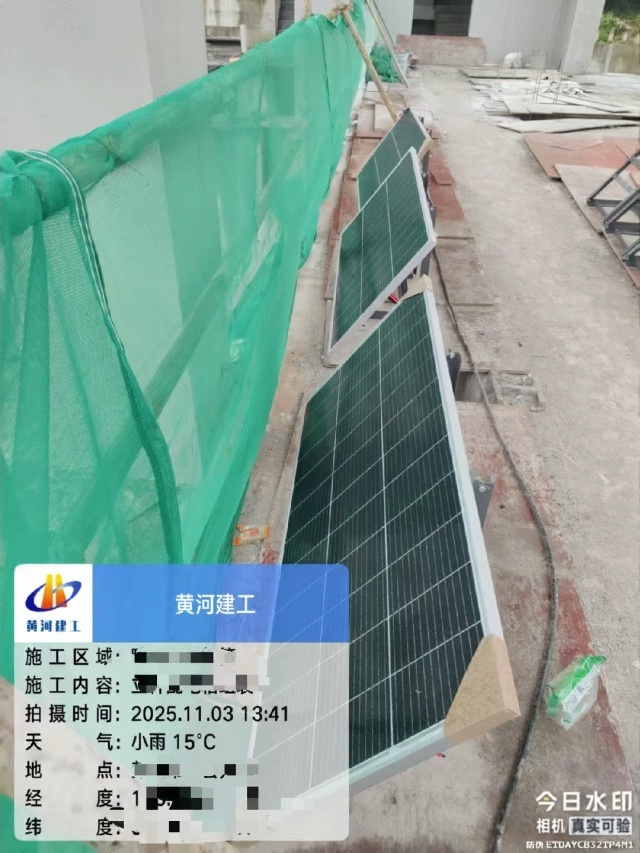
| Component | Specification | Engineering Purpose |
| Solar Array | 200W mono PV | Primary daytime energy source |
| Grid Input | Municipal AC backup | Automatic failover during low irradiance |
| Battery | 80Ah storage | Load buffering & peak smoothing |
| Controller | Hybrid smart controller | Seamless solar/grid switching |
| Enclosure | Flood-resistant cabinet | Anti-submersion & corrosion protection |
✅ Designed for foggy, rain-intensive river corridors
✅ Supports water-level, flow-rate, and water-quality sensors
✅ Maintains continuous telemetry during flood seasons
Terrain-Adaptive Installation
✅ Installed along riverbanks and flood-prone zones without trenching
✅ Elevated cabinet design prevents water ingress during high water levels
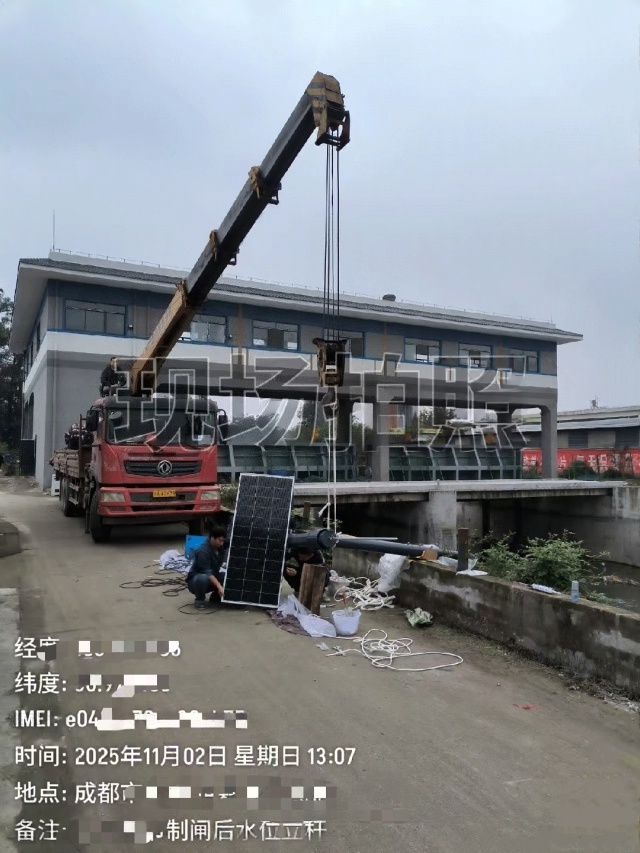
Remote Monitoring & Alerts
✅ Real-time solar, grid, and battery status via cloud platform
✅ Automatic alerts triggered upon power anomalies
Lifecycle Cost Advantages
| Factor | Traditional Grid | Hybrid System |
| Flood-related outages | Frequent | Eliminated |
| Manual patrol frequency | High | Reduced |
| Emergency response speed | Delayed | Accelerated |
| Long-term O&M cost | Rising | Optimized |
| KPI | Result |
| Power continuity | 24/7 uninterrupted |
| Data availability | Stable during flood season |
| Grid dependency | Significantly reduced |
| Maintenance frequency | Noticeably lowered |
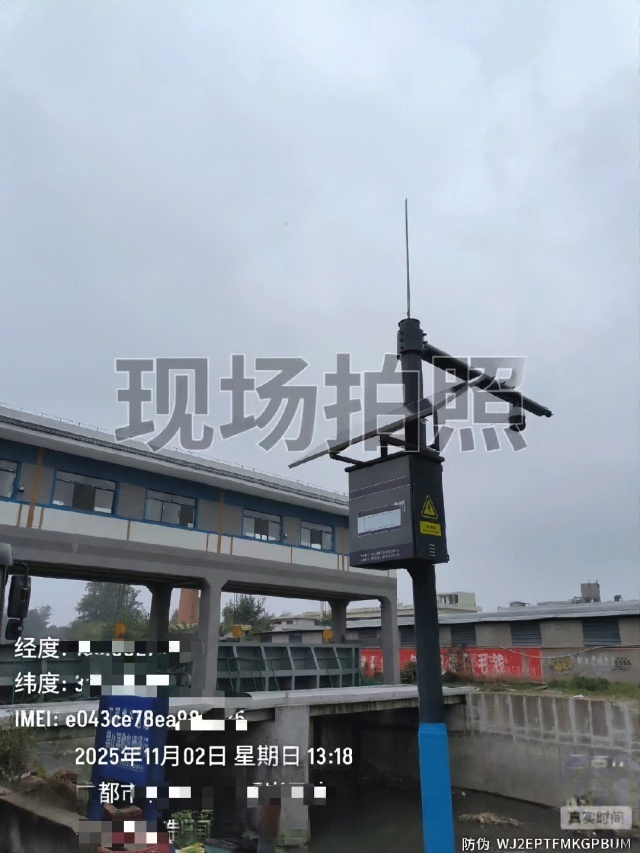
📌 Validated during 2025 rainy-season river monitoring operations in Chengdu, China.
| KPI | Typical Before | After Hybrid Deployment |
| Data continuity | 70 to 85 percent | 96 to 99 percent range |
| Flood-season power events | occasional | significantly reduced |
| Patrol frequency | 3 to 5 per week | 1 to 2 per week |
| Response readiness | slower | improved by remote alerts |
| Term | Practical Meaning for Buyers |
| hydrology telemetry | remote data reporting for water management |
| MPPT | controller logic that improves PV harvest efficiency |
| grid fallback | automatic backup from municipal power |
| autonomy buffer | storage that bridges short continuity gaps |
| flood resistant enclosure | cabinet protection against water exposure |
| ecological supervision | regulatory monitoring for river environment |
This project architecture supports documentation commonly requested in government and EPC tenders:
✅ electrical safety documentation set
✅ enclosure protection description and corrosion strategy
✅ controller specification and energy switching logic statement
✅ installation method statement for riverbank safety
✅ operation and maintenance checklist for remote monitoring sites
✅ Authoring entity: Shenzhen Kongfar Technology Co Ltd
A hybrid system uses solar as the primary source and switches to grid backup when foggy weather or floods reduce available PV and storage, ensuring hydrology telemetry stays online in Chengdu China.
Solar-only designs can face longer low-irradiance periods during fog and continuous rain. Hybrid fallback reduces continuity risk for flood-season supervision tasks.
The controller monitors PV output and battery voltage. When PV plus storage cannot maintain stable supply for telemetry loads, grid backup activates automatically.
It can support CCTV, water level sensors, flow meters, water quality telemetry, and gateway communication equipment used in river monitoring stations.
A water-resistant anti-corrosion enclosure and elevated mounting reduce water ingress risk and protect electronics during high humidity and flood-season splashing.
Continuous telemetry helps authorities detect abnormal water level changes earlier and dispatch actions faster with fewer data blind spots.
Solar plus storage continues as available. The hybrid design reduces reliance on grid continuity and improves resilience versus grid-only deployments.
Initial cost can be higher, but lifecycle cost is often optimized by reducing trenching, cable repair after floods, and emergency maintenance visits.
Yes. Hybrid continuity design, remote OandM readiness, and documentation structure align with common tender evaluation requirements for public water projects.
Yes. PV and storage can be adjusted for higher loads or expanded sensor suites across multiple river sections.
Shenzhen Kongfar Technology provides engineering configuration, documentation support, and OEM and ODM options for integrators and public projects.
✅ Built for humid fog-prone river corridors in Southwest China including Chengdu
✅ Hybrid continuity strategy reduces supervision blind spots during flood seasons
✅ Remote OandM framework lowers wetland patrol risk and manpower exposure
✅ Engineering documentation support for water bureau and EPC tender workflows
✅ OEM and ODM manufacturing capability for multi-site rollout programs
Designed to keep agricultural IoT nodes online across dispersed farmland where grid access is unstable and night-time visibility is critical.
👉 Explore agricultural monitoring power solutions
Energy support for slope-based orchards and fragmented plots, enabling long-term sensor uptime and theft deterrence without trenching work.
👉 View orchard-ready off-grid power configurations
Dedicated power architecture for PoE switches and uplink equipment deployed in roadside cabinets and distributed monitoring clusters.
👉 Learn how PoE solar power is deployed at scale
Autonomous energy supply for linear pipeline corridors, supporting continuous sensing, backhaul stability, and reduced patrol dependency.
👉 See pipeline surveillance power architectures
Project-based power design services covering sizing logic, compliance documentation, and multi-site rollout for integrators and public tenders.
👉 Request custom power design & tender support
Email tony@kongfar.com
Scope review, load mapping, documentation checklist, configuration recommendation
Chengdu river monitoring and related water management deployments


Copyright © 2025 shenzhen kongfar technology co.,ltd All Rights Reserved. All rights reserved

 English
  Deutsch